Spring Brittlestem
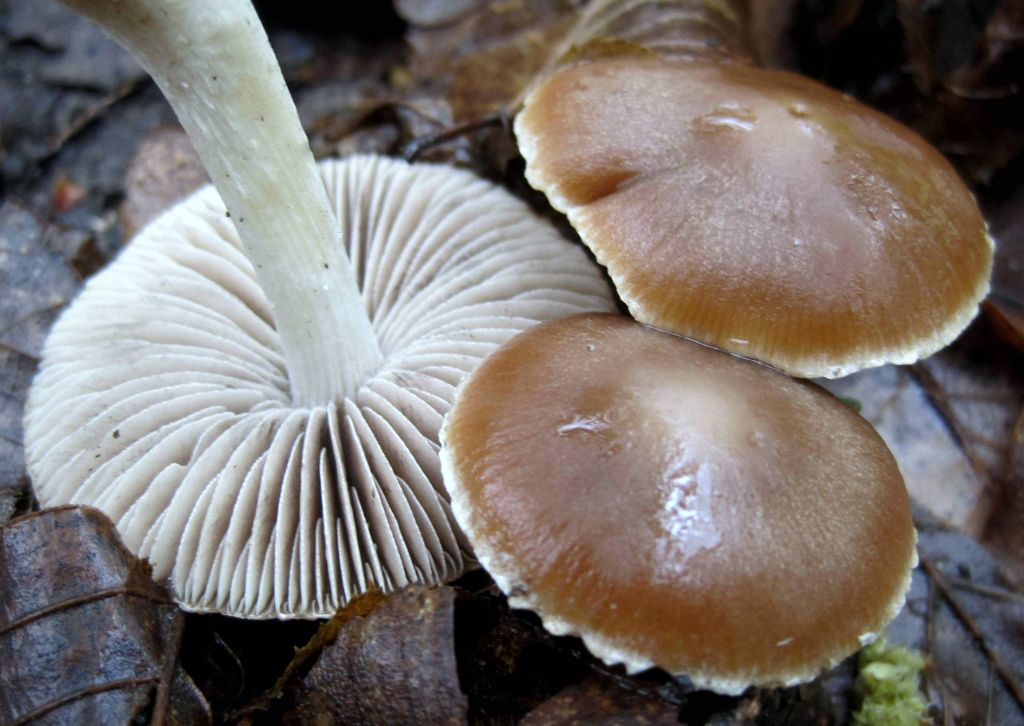
This mushroom is notable for its delicate structure and its occurrence during the spring season, which is relatively uncommon among fungi.
Identification
Identifying the Spring Brittlestem can be a rewarding challenge for mycologists and mushroom enthusiasts. Here are some key characteristics to look for:
- Cap: The cap of the Spring Brittlestem is typically 2-5 cm in diameter. It starts out conical or bell-shaped and gradually flattens with age. The color ranges from dark brown to grayish-brown, often with a paler margin. The surface is smooth and can appear somewhat greasy when wet.
- Gills: The gills are free or slightly attached to the stem and are densely packed. They start out white but turn dark brown to black as the spores mature.
- Stem: The stem is slender, measuring 3-8 cm in height and about 0.2-0.5 cm in diameter. It is fragile, hollow, and often has a whitish to pale brown color.
- Spore Print: The spore print is a crucial identification feature, and for the Spring Brittlestem, it is dark brown to black.
- Odor and Taste: This mushroom has a mild odor and taste, which are not particularly distinctive.
Habitat
The Spring Brittlestem is typically found in temperate regions and is one of the few mushrooms that appear in the spring. It thrives in moist, nutrient-rich environments. Common habitats include:
- Woodlands: Often found on decaying wood, leaf litter, or in grassy areas within forests.
- Gardens and Parks: Can also be spotted in well-maintained gardens and parks, especially in areas with rich organic matter.
- Lawns: Occasionally, they appear in lawns, particularly those that are well-watered and fertilized.
Ecological Role
The Spring Brittlestem plays a significant role in the ecosystem, primarily through its function as a saprotroph. Saprotrophic fungi are essential for the decomposition of organic matter, which recycles nutrients back into the soil. Here are some ecological contributions of Psathyrella spadiceogrisea:
- Decomposition: By breaking down dead plant material, this mushroom helps in the decomposition process, which is vital for nutrient cycling in ecosystems.
- Soil Health: The decomposition process enriches the soil, making it more fertile and promoting the growth of plants.
- Biodiversity: As part of the fungal community, the Spring Brittlestem contributes to the biodiversity of the habitats it occupies, supporting various forms of life.
Potential Uses
While the Spring Brittlestem is not known for its culinary or medicinal uses, it holds potential in other areas:
- Environmental Indicators: The presence of this mushroom can indicate healthy, nutrient-rich soil, which can be useful for ecological studies and environmental monitoring.
- Educational Value: Due to its distinct characteristics and seasonal appearance, it serves as an excellent subject for educational purposes in mycology and ecology.
Caution
It is important to exercise caution when foraging for mushrooms, including the Spring Brittlestem. Here are some safety tips:
- Proper Identification: Always ensure accurate identification before handling or consuming any wild mushrooms. Many mushrooms have toxic look-alikes.
- Expert Consultation: When in doubt, consult with a mycologist or a local mushroom club to confirm the identity of the mushroom.
- Avoid Consumption: The Spring Brittlestem is generally not considered edible, and consuming unidentified mushrooms can be dangerous.