Rough False Mallow
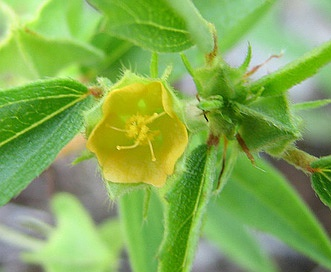
Malvastrum hispidum, commonly known as rough mallow, is a species of flowering plant in the mallow family, Malvaceae. This plant is native to the Americas but has spread to various parts of the world, often considered a weed in many regions. Its adaptability and resilience make it a fascinating subject for botanists and horticulturists alike.
Botanical Description
Malvastrum hispidum is a perennial herb that can grow up to 1 meter in height. The plant is characterized by its rough, hairy stems and leaves, which give it a distinctive texture. The leaves are simple, alternate, and have serrated edges. They are typically 2-10 cm long and 1-5 cm wide, with a rough, hairy surface.
The flowers of Malvastrum hispidum are small, usually about 1-2 cm in diameter, and are typically yellow or orange. They are borne singly or in small clusters in the leaf axils. Each flower has five petals and numerous stamens, which are fused into a column around the pistil. The blooming period usually occurs from late spring to early fall.
Habitat and Distribution
Malvastrum hispidum is highly adaptable and can thrive in a variety of habitats. It is commonly found in disturbed areas such as roadsides, fields, and waste places. The plant prefers full sun and well-drained soils but can tolerate a range of soil types, including sandy, loamy, and clay soils.
Originally native to the Americas, Malvastrum hispidum has spread to other parts of the world, including Africa, Asia, and Australia. In many of these regions, it is considered an invasive species due to its ability to outcompete native vegetation.
Ecological Impact
As an invasive species, Malvastrum hispidum can have significant ecological impacts. It often forms dense stands that can outcompete native plants for resources such as light, water, and nutrients. This can lead to a reduction in biodiversity and the displacement of native species.
In agricultural settings, Malvastrum hispidum can become a troublesome weed. Its presence in crop fields can reduce yields by competing with crops for resources. Additionally, the rough, hairy texture of the plant can make it difficult to handle and remove manually.
Uses and Benefits
Despite its reputation as a weed, Malvastrum hispidum has several uses and benefits. In traditional medicine, various parts of the plant have been used to treat a range of ailments. For example, the leaves and stems are sometimes used to make poultices for treating wounds and skin infections. The plant is also known for its anti-inflammatory and antimicrobial properties.
In some regions, Malvastrum hispidum is used as a forage plant for livestock. Its ability to grow in poor soils and under harsh conditions makes it a valuable resource in areas where other forage plants may not thrive.
Control and Management
Managing Malvastrum hispidum can be challenging due to its resilience and adaptability. Several methods can be employed to control its spread:
- Mechanical Control: This involves physically removing the plants by hand or using machinery. While effective, this method can be labor-intensive and may not be feasible for large infestations.
- Chemical Control: Herbicides can be used to kill Malvastrum hispidum, but care must be taken to avoid harming non-target species. Selective herbicides that target broadleaf plants are often used.
- Cultural Control: Practices such as crop rotation, mulching, and maintaining healthy, competitive vegetation can help reduce the establishment and spread of Malvastrum hispidum.
- Biological Control: Research is ongoing to identify natural enemies of Malvastrum hispidum that could be used for biological control. This approach aims to reduce the plant's population through the introduction of insects or pathogens that specifically target it.
control and utilization is essential for managing Malvastrum hispidum effectively.