Pullback / Digkit
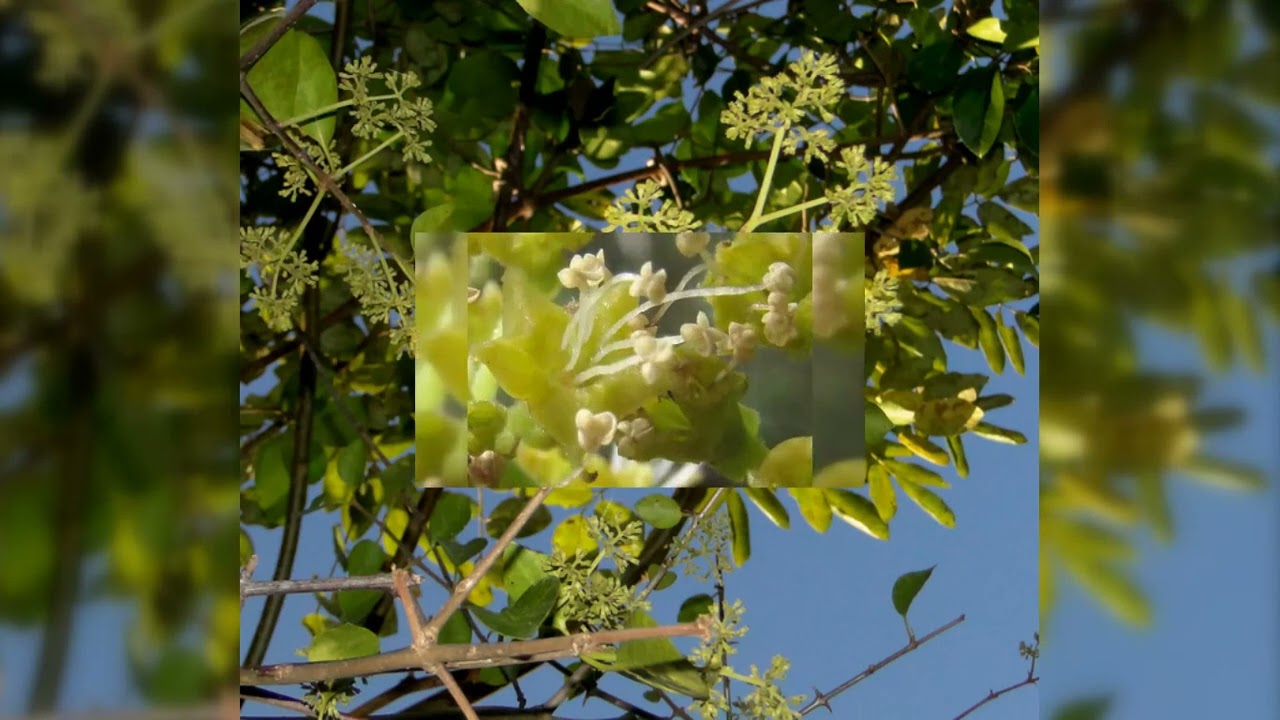
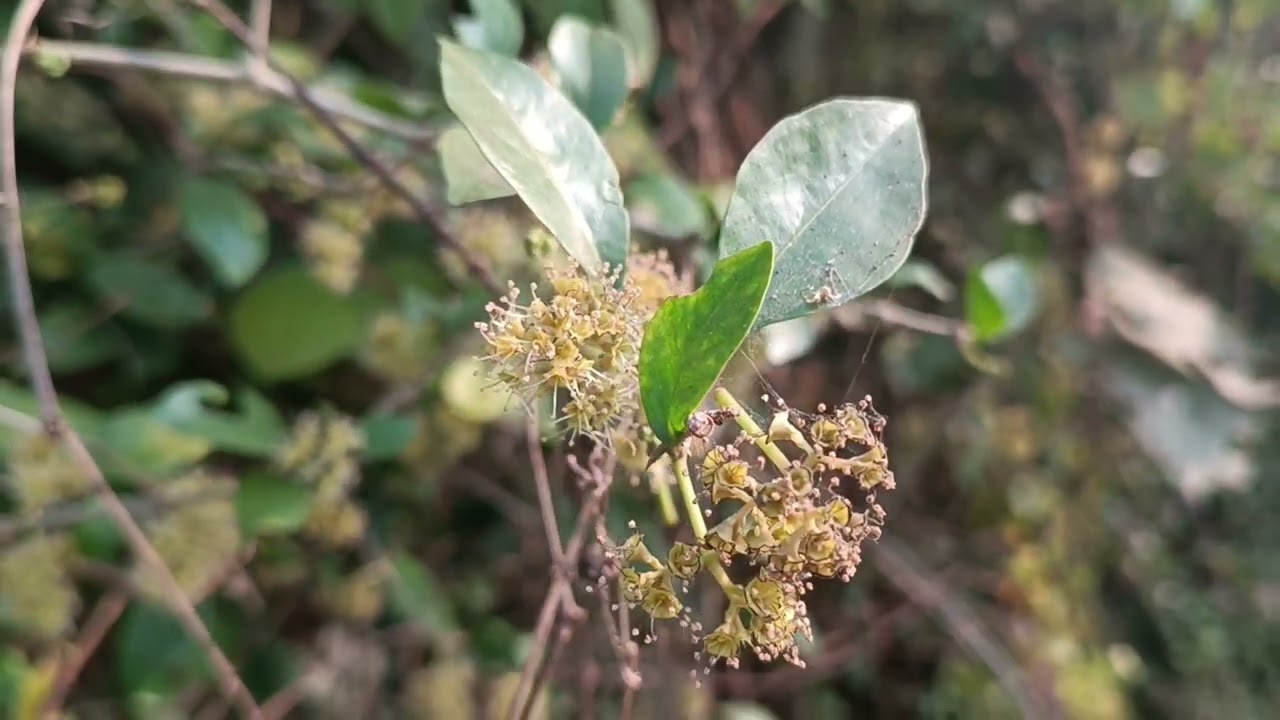
Pisonia aculeata is a plant species that belongs to the family Nyctaginaceae. Native to tropical regions such as the Pacific Islands and Australia.
Appearance and Habitat
Pisonia aculeata is a tree-like plant that can grow up to 30 meters in height. Its branches are covered in small, waxy leaves that alternate along the stems. The plant's flowers are inconspicuous, with small, greenish-white blooms that cluster together in inflorescences. The fruit produced by Pisonia aculeata is a small, sticky drupe that often contains a single seed.
This species primarily thrives in coastal areas, where it can flourish in sandy or rocky soils. Its ability to withstand high salt concentrations allows it to survive in challenging environments such as mangrove swamps, coastal dunes, and limestone outcrops.
Unique Adaptations
Pisonia aculeata has evolved several unique adaptations that contribute to its survival in its natural habitat. One of the most remarkable characteristics of this plant is its ability to trap and capture insects using specialized adhesive hairs on its leaves. These hairs are extremely sticky and entangle insects that come into contact with them. Once trapped, the insects become a source of nutrients for the plant.
Additionally, Pisonia aculeata has developed a unique dispersal strategy for its seeds. The fruits produced by this plant are covered in a sticky substance that readily adheres to the feathers of birds. As birds fly from one location to another, the seeds are unknowingly transported, allowing the plant to colonize new areas. This dispersal method also ensures that the seeds are less likely to fall prey to ground-dwelling predators.
Ecological Significance
Pisonia aculeata plays a vital role in the ecosystems where it is found. Its ability to trap insects not only provides the plant with additional nutrients but also serves as a form of natural pest control. By capturing and consuming insects, Pisonia aculeata helps regulate populations that could otherwise become problematic.
Moreover, this plant provides important nesting sites for seabirds and other coastal birds. The dense foliage and intricate branch structure of Pisonia aculeata offer protection and shelter for nesting birds, helping to maintain local avian populations.
Cultural Significance
In addition to its ecological importance, Pisonia aculeata also holds cultural significance in some regions. Indigenous communities in the Pacific Islands have traditionally used various parts of the plant for medicinal purposes. Extracts from the leaves and bark have been used to treat ailments such as skin infections, inflammation, and respiratory conditions.
Furthermore, Pisonia aculeata has inspired artistic expression in different forms. The unique structure of its sticky seeds, resembling miniature grappling hooks, has been incorporated into jewelry and decorative items.
Conservation Status
Despite its unique characteristics and ecological significance, Pisonia aculeata faces several threats that have led to concerns about its conservation status. Habitat loss due to urbanization and land development poses a significant risk to this plant, as coastal areas are often prime locations for human settlements. Additionally, invasive species can outcompete Pisonia aculeata, further impacting its populations.
Efforts are being made to protect and conserve Pisonia aculeata, including habitat restoration projects, education and awareness campaigns, and the establishment of protected areas. These initiatives aim to safeguard the plant's natural habitat and raise awareness about its ecological importance.