Panicled Hydrangea / Peegee
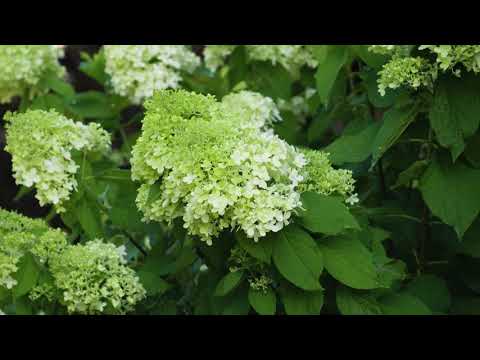
Panicled Hydrangea, commonly known as Peegee, is a popular ornamental shrub known for its stunning floral displays and adaptability. This plant is a favorite among gardeners and landscapers due to its hardiness and the visual appeal it brings to gardens and landscapes.
ACTIVE COMPOUNDS
The medicinal properties of Hydrangea paniculata are attributed to its active compounds. These include:
- Flavonoids: Known for their antioxidant properties, flavonoids help in reducing oxidative stress and protecting the body from free radical damage.
- Saponins: These compounds are known for their ability to support the immune system and have anti-inflammatory effects.
- Tannins: Tannins have astringent properties, which can be beneficial in treating wounds and reducing inflammation.
The flowers contain up to 4.06% rutin. This makes them useful for reducing the incidence of recurrent haemorrhages associated with increased capillary fragility, particularly in hypertension. The flowers also contain 2.5% of a phenolic compound.
Characteristics of Panicled Hydrangea
Panicled Hydrangea, scientifically named Hydrangea paniculata, is native to eastern Asia, particularly China and Japan. It is a deciduous shrub that can grow up to 15 feet tall and wide, although dwarf varieties are available for smaller spaces. The plant is characterized by its large, cone-shaped flower clusters, which can reach up to 18 inches in length.
Flowering and Foliage
- Flower Color: The flowers of the Peegee Hydrangea start as a creamy white and gradually turn pink as they mature, eventually taking on a reddish-brown hue in the fall. This color transition adds dynamic interest to gardens throughout the growing season.
- Foliage: The leaves are dark green, oval-shaped, and serrated, providing a lush backdrop to the vibrant flowers. In autumn, the foliage can turn a lovely shade of yellow, adding to the plant's seasonal appeal.
USES IN TCM
Hydrangea paniculata, commonly known as the panicle hydrangea, is a flowering plant native to southern and eastern China, Korea, Japan, and Russia. While it is widely appreciated for its ornamental beauty, it also holds a significant place in traditional Chinese medicine.
Traditional Uses
In traditional Chinese medicine (TCM), Hydrangea paniculata is valued for its potential therapeutic properties. It is often used in herbal formulations to address a variety of health concerns. Some of the traditional uses include:
- Anti-inflammatory Properties: The plant is believed to possess anti-inflammatory properties, making it useful in treating conditions associated with inflammation, such as arthritis and other joint-related issues.
- Diuretic Effects: Hydrangea paniculata is often used for its diuretic effects, which can help in flushing out toxins from the body and supporting kidney health. This makes it beneficial for individuals dealing with urinary tract infections or kidney stones.
- Detoxification: The plant is also used in detoxification processes, helping to cleanse the body of impurities and improve overall health.
- Immune System Support: Some formulations include Hydrangea paniculata to boost the immune system, helping the body to fend off infections and diseases more effectively.
MODERN APPLICATIONS
While traditional uses of Hydrangea paniculata are well-documented, modern research is beginning to explore its potential applications in contemporary medicine. Some areas of interest include:
- Anti-Cancer Potential: Preliminary studies suggest that certain compounds in Hydrangea paniculata may have anti-cancer properties, although more research is needed to fully understand its efficacy and mechanisms.
- Antimicrobial Activity: The plant has shown promise in combating certain bacterial and fungal infections, making it a potential candidate for developing new antimicrobial agents.
- Cardiovascular Health: Some studies indicate that Hydrangea paniculata may have a positive effect on cardiovascular health by improving blood circulation and reducing the risk of heart-related conditions.
Preparation and Dosage
In TCM, Hydrangea paniculata is typically prepared as a decoction or infusion. The dosage and preparation method can vary depending on the specific health condition being addressed. It is important to consult with a qualified TCM practitioner to determine the appropriate dosage and formulation for individual needs.
Safety and Precautions
While Hydrangea paniculata is generally considered safe when used appropriately, there are some precautions to consider:
- Allergic Reactions: Some individuals may experience allergic reactions to the plant. It is advisable to perform a patch test or consult with a healthcare provider before use.
- Pregnancy and Breastfeeding: The safety of Hydrangea paniculata during pregnancy and breastfeeding has not been well-studied. It is recommended to avoid use during these periods unless advised by a healthcare professional.
- Interactions with Medications: As with any herbal remedy, there is a potential for interactions with prescription medications. It is important to discuss any herbal supplements with a healthcare provider, especially if taking other medications.
GROWING CONDITIONS
Panicled Hydrangeas are known for their adaptability to various growing conditions, making them a versatile choice for many gardeners.
Light Requirements
- Sunlight: These hydrangeas thrive in full sun to partial shade. While they can tolerate full sun, especially in cooler climates, they benefit from some afternoon shade in hotter regions to prevent leaf scorch.
Soil Preferences
- Soil Type: Peegee Hydrangeas prefer well-drained, fertile soil. They can tolerate a range of soil types, including clay, loam, and sandy soils, as long as there is good drainage.
- pH Level: Unlike some other hydrangea species, the flower color of Peegee Hydrangeas is not affected by soil pH. This makes them a reliable choice for consistent color display.
Watering Needs
- Watering: Regular watering is essential, especially during dry spells. However, it is important to avoid waterlogging, as this can lead to root rot.
Care and Maintenance
Panicled Hydrangeas are relatively low-maintenance, but a few care practices can enhance their growth and flowering.
Pruning
- Timing: Pruning is best done in late winter or early spring before new growth begins. This encourages robust flowering and helps maintain the desired shape and size.
- Method: Remove any dead or damaged wood and thin out crowded branches to improve air circulation. Cutting back the previous year's growth can also promote larger flower clusters.
Fertilization
- Nutrients: A balanced, slow-release fertilizer applied in early spring can support healthy growth and abundant blooms. Avoid over-fertilizing, as this can lead to excessive leaf growth at the expense of flowers.
Uses in Landscaping
Panicled Hydrangeas are versatile plants that can be used in various landscaping applications.
- Hedges and Screens: Their dense growth habit makes them ideal for creating privacy screens or hedges.
- Specimen Planting: As a focal point in a garden, a mature Peegee Hydrangea can provide a stunning visual impact.
- Mixed Borders: They pair well with other shrubs and perennials, adding height and texture to mixed borders.
Common Varieties
Several cultivars of Panicled Hydrangea are available, each with unique characteristics.
- 'Grandiflora': Known for its large, showy flower clusters, this is one of the most popular varieties.
- 'Limelight': Features lime-green flowers that turn pink in the fall, offering a unique color palette.
- 'Little Lime': A dwarf variety that is perfect for smaller gardens or container planting.
Hepatoprotective coumarins and secoiridoids from Hydrangea paniculata
Coumarin Glycosides and Iridoid Glucosides with Neuroprotective Effects from Hydrangea paniculata