Burdock Root
The Energetic Architecture of Burdock
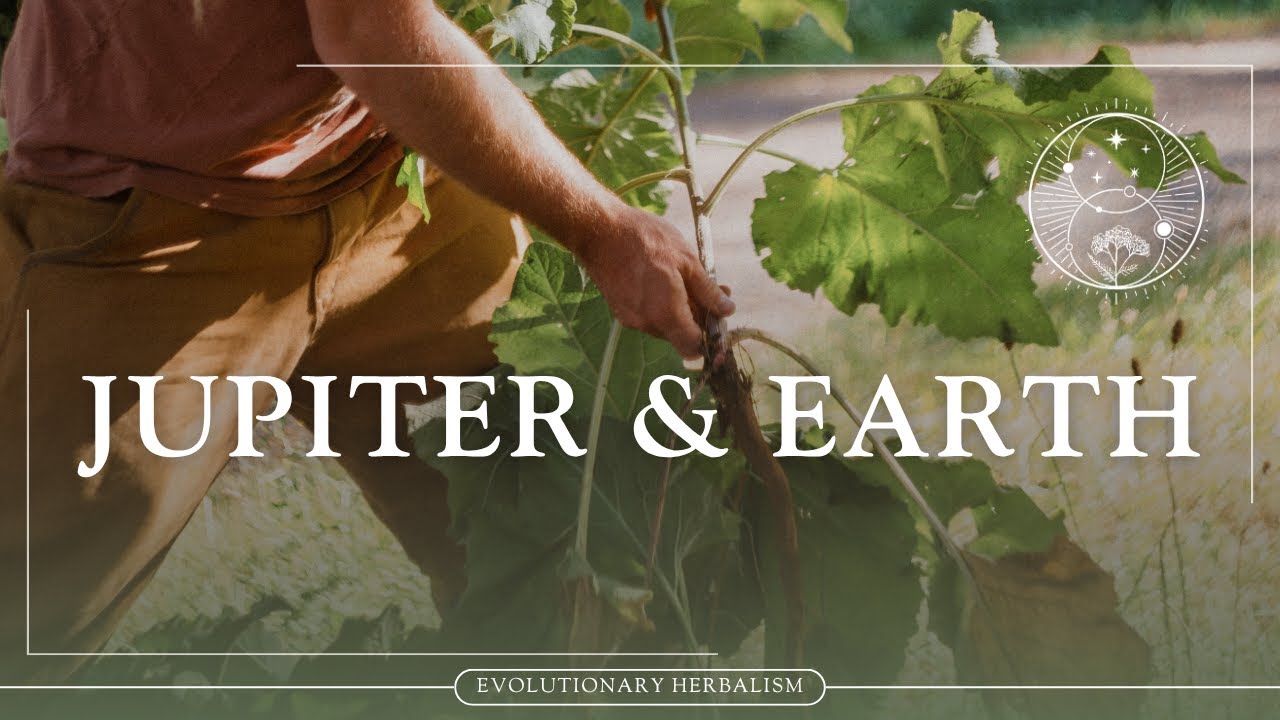
Burdock root Bannock, the taste test.
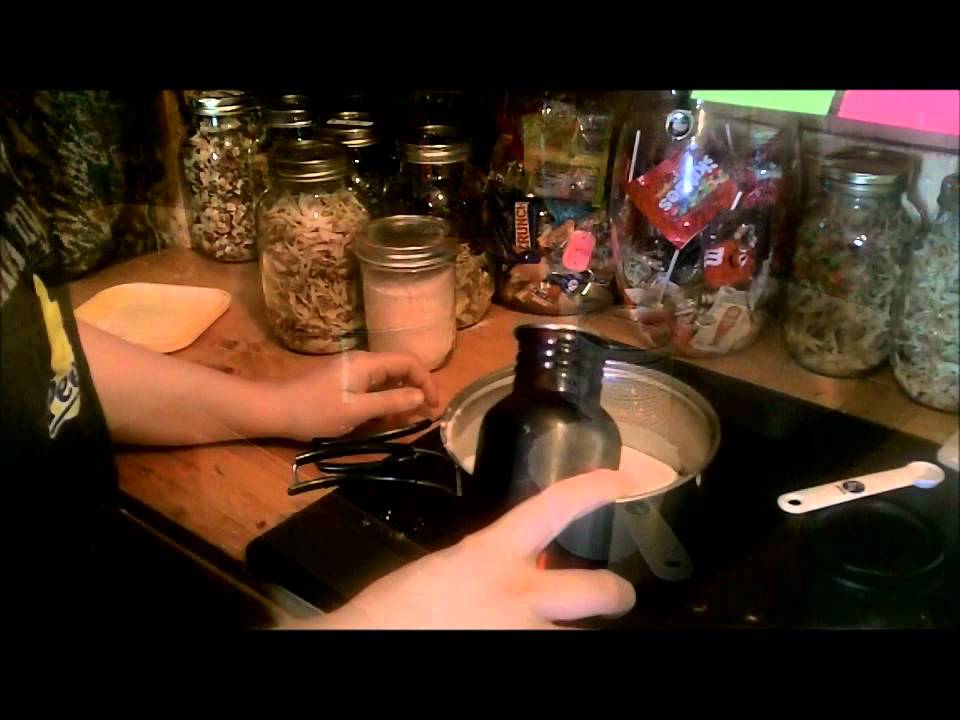
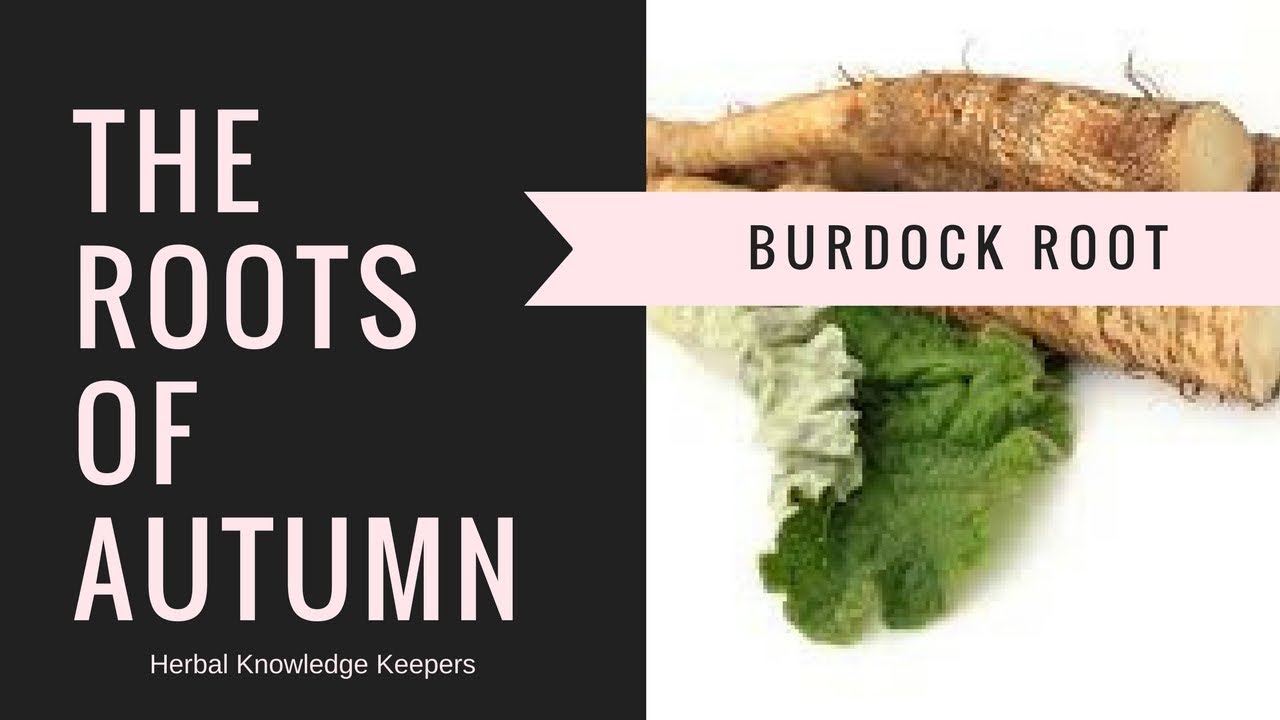
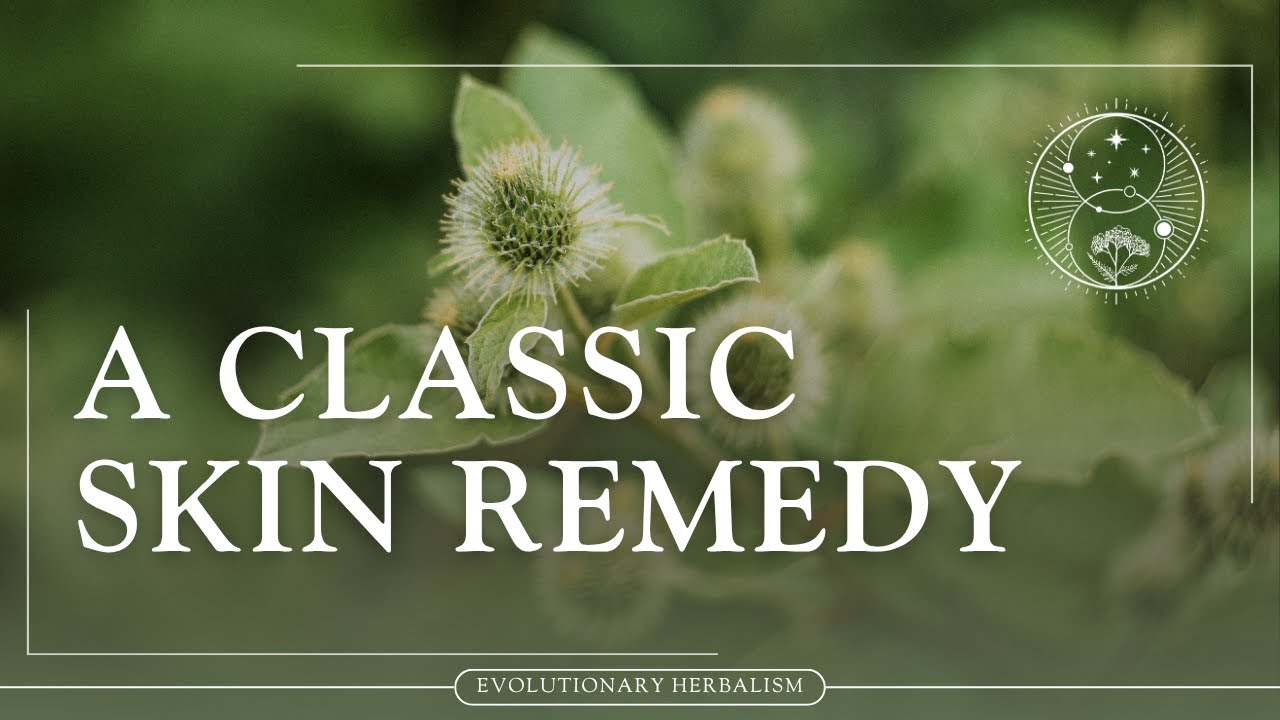
Taste: Root: Sweet, nutty.
Actions; Root, flower stalk (the white part): nutritive, moist, diuretic, hepatic (helps the liver).
In the root, the active ingredients have been found to "detoxify" blood in terms of TCM and promote blood circulation to the skin surface, improving the skin quality/texture and curing skin diseases like eczema. Antioxidants and antidiabetic compounds have also been found in the root.
Root rots out from the core after the first winter so needs to be harvested during the first summer. Root is moderately bitter and sweet flavor, but a heavy, cloying property, due to high oil content. This contrasts with sharp, diffusive, tingly impression of the pungent seed. It’s traditionally served in French cuisine with rich, oily food, to assist digestion of fats and oils. Used the same in Japanese cuisine…an application from macrobiotics. The bitter and sweet mixture point to stimulation of digestive function. The “mangy appearance we find in its rotten roots reminds us of other great blood and liver cleaners, dandelion and yellow dock root. Reminds us of how the structure of the body may be broken down, the blueprint for health lost, the essence which governs and gives form weakened and dissipated.
Root acts more slowly than seed and has therefore been used for chronic conditions where a slow, persistent stimulus is desired. It slowly but steadily influences the skin, soothes the kidneys and relieves lymphatics, wrote Dr. R. Swinburn Clymer. “ It is of great value in treatment of all skin diseases and scrofulous affections. It is very soothing to mucus membrane throughout the entire system. The fats, oils and starches are lubricating and coating. Its soothing character is extended to the serous membrane and is valuable in rheumatic and veneral diseases.
Fructooligosaccharides (FOS) are usually considered as its main bioactive components. Thus, quantitative analysis of these components is very important for the quality control of burdock
Studies that were shown in Germany in 1967, and Japan in 1986 showed that the polyacetylenes, especially the fresh root have an antibiotic effect. A chemical compound called arctiin derived from the burdock is a relaxant on smooth muscles in the body.
Anti-elastase
burdock root (approximately 51%)
Coughs
From the roots of Arctium lappa L., var. Herkules a low-molecular-weight fructofuranan of the inulin-type has been isolated by water extraction and ethanol precipitation. In tests for antitussive activity in cats the fructan was found to be equally active as some non-narcotic, synthetic preparations used in clinical practice to treat coughing, and in mitogenic and comitogenic tests its biological response was comparable to that of the commercial Zymosan immunomodulator.
Blood Sugar
Matthew Wood states that Burdock helps to stabilize blood sugar by reducing the amount of sugar picked up in the intestines. Stephen Buhner, in his (extremely cool) Sacred and Herbal Healing Beers, states that the inulin contained in the roots "exert a beneficial effect on normalizing blood sugar levels".
Diabetes
Burdock extracts may be beneficial in the treatment of diabetes.
Diaphoretic
Perspiration is induced by the burdock when the herb is ingested in the form of a hot decoction, it can be a very effective in this role as a detoxification agent, as it can aid in the rapid removal of toxins through the skin along with the perspired liquids.
Digestion
Burdock effectively stimulates the digestive system and the functioning of the liver and also activates the pancreas as the roots, the leaves and the seeds have a very bitter flavor. These different parts of the burdock herb are used to bolster a weakened digestive system, they are also used to relieve excessive wind and flatulence, the burdock also has a mild laxative action, and is used for the treatment of abdominal distension as well as long term indigestion
The herb is also very helpful in reintroducing and establishing the normal complement of bacteria inside the gut
Digestion of fats
It’s traditionally served in French cuisine with rich, oily food, to assist digestion of fats and oils. Used the same in Japanese cuisine…an application from macrobiotics. The bitter and sweet mixture point to stimulation of digestive function.
Skin
In the root, the active ingredients have been found to "detoxify" blood in terms of TCM and promote blood circulation to the skin surface, improving the skin quality/texture and curing skin diseases like eczema. Antioxidants and anti-diabetic compounds have also been found in the root.
Burdock also exerts a normalizing action on the sebaceous glands, which distribute the oils the keep the skin pliable, and so can be used in cases where the skin is too dry, too oily, or too oily here and too dry there. Physiomedicalist William Cook referred to it as a “sebaceous diaphoretic”, saying, “Besides capillary and sudoriferous glands, the skin contains a large number of sebaceous or oil glands. These give to the surface its natural softness and pliancy. They sometimes become quite deficient in action; and then the skin becomes harsh and chaffy, and no amount of watery sudoresis (sweating) can restore its oily elasticity. A very small class of diaphoretics expend their main influence upon these sebaceous glands. The seeds of Arctium lappa are among the best diffusives in this class; and the roots of Arctium and the bark of Celastrus scandens (American Bittersweet) among the permanents”. By referring to “diffusives” and “permanents”, Cook is saying that the seeds are of great benefit in treating acute flare ups of such conditions, but the root should be used regularly to get to the root of the imbalance.
Fluid extracts made from the fresh root, which also contains inulin and at least 14 different polyacetylene compounds, have genuine beneficial application in the treatment of eczema, psoriasis, and other skin disorders. Two of these compounds possess antibacterial and antifungal qualities; the commercial dried root, however, has considerably less quantities of each.
Psychological
"On a psychological level, Burdock helps us deal with our worries about the unknown... which lurk in the dark woods beyond our control. It seizes upon deep complex issues, penetrates to the core and brings up old memories and new answers. It gives us faith to move ahead on our path, despite the unknown problems that might snare us on our way. It helps the person who is afraid become more hardy, while it brings the hardy wanderer back to his original path. It restores vigor and momentum." –M. Wood
Remedy for Scalp Problems
The burdock root oil extract, or Bur oil, is used in Europe as a scalp treatment to help treat dandruff and prevent hair loss. Since the burdock oil is rich in phytosterols and essential fatty acids, it is also said to improve hair strength, shine, and body by helping maintain a healthy scalp and promote hair growth. It combines an immediate relieving effect with nutritional support for normal functions of the sebaceous glands and hair follicles.