Acyclovir / Valtrex


Acyclovir and Valtrex are antiviral medications commonly used to treat infections caused by certain types of viruses. These medications are particularly effective against herpes viruses, including herpes simplex virus (HSV) and varicella-zoster virus (VZV), which causes chickenpox and shingles.
What is Acyclovir?
Acyclovir is an antiviral drug that was first approved by the FDA in the early 1980s. It is primarily used to treat infections caused by HSV, such as genital herpes, cold sores, and shingles. Acyclovir works by inhibiting the replication of viral DNA, thereby reducing the severity and duration of the infection.
Uses of Acyclovir
- Treatment of initial and recurrent episodes of genital herpes.
- Management of cold sores (herpes labialis).
- Treatment of shingles (herpes zoster).
- Prevention of recurrent herpes infections in immunocompromised patients.
- Treatment of chickenpox in children and adults.
How Acyclovir Works
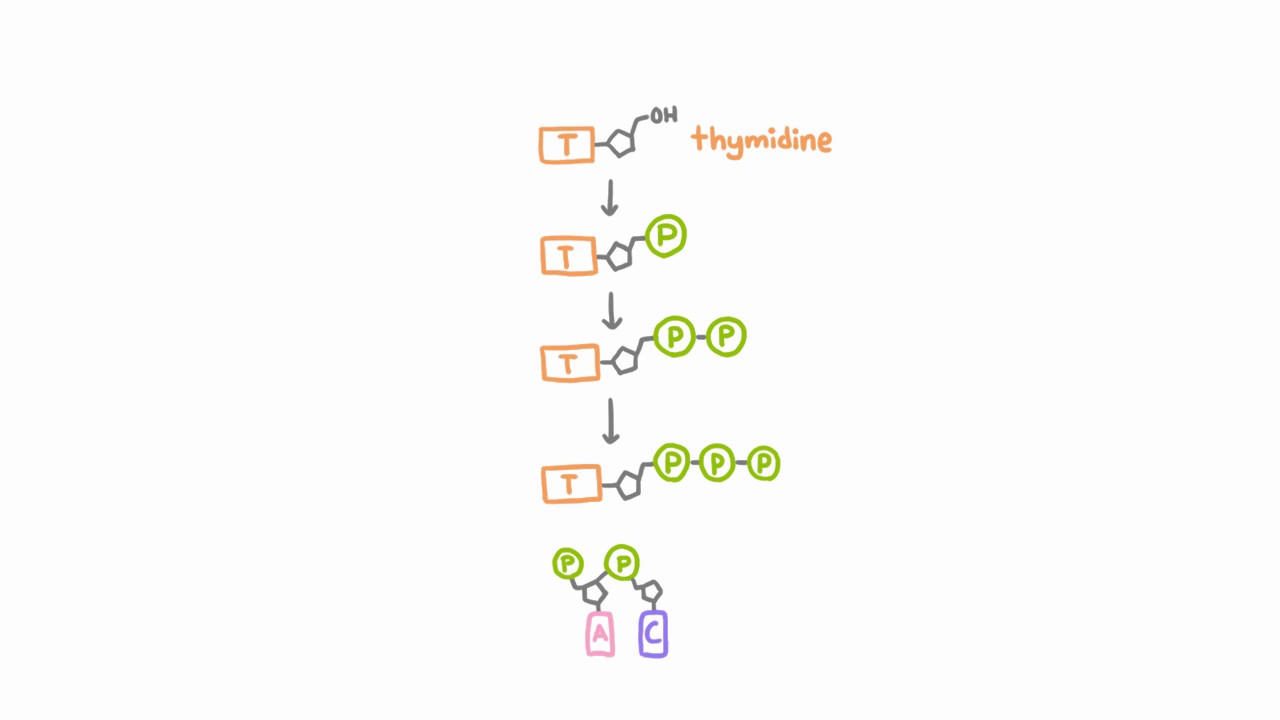
Acyclovir is a synthetic nucleoside analogue that targets viral DNA polymerase. Once inside the infected cell, it is converted into acyclovir triphosphate, which inhibits viral DNA synthesis. This action prevents the virus from multiplying and spreading, allowing the immune system to control the infection more effectively.
What is Valtrex?
Valtrex, also known by its generic name valacyclovir, is a prodrug of acyclovir. This means that once ingested, valacyclovir is converted into acyclovir in the body. Valtrex was approved by the FDA in the mid-1990s and offers improved bioavailability compared to acyclovir, allowing for less frequent dosing.
Uses of Valtrex
- Treatment of cold sores (herpes labialis).
- Management of genital herpes, including initial and recurrent episodes.
- Treatment of shingles (herpes zoster).
- Prevention of recurrent genital herpes outbreaks.
- Reduction of transmission of genital herpes in individuals with a history of the infection.
- Treatment of chickenpox in children.
How Valtrex Works
Valtrex is rapidly converted into acyclovir in the body, where it then acts in the same manner as acyclovir. The improved absorption of Valtrex allows for higher concentrations of the active drug in the bloodstream, which can enhance its effectiveness and convenience for patients.
Comparing Acyclovir and Valtrex
While both medications serve similar purposes, there are some differences in their administration and effectiveness:
- Dosing Frequency: Acyclovir typically requires more frequent dosing (up to five times a day), whereas Valtrex is usually taken once or twice daily due to its better absorption.
- Bioavailability: Valtrex has higher bioavailability, meaning more of the drug is absorbed into the bloodstream, which can lead to more effective treatment.
- Convenience: The less frequent dosing of Valtrex can be more convenient for patients, potentially improving adherence to the treatment regimen.
Side Effects and Considerations
Both Acyclovir and Valtrex are generally well-tolerated, but they can cause side effects in some individuals. Common side effects include:
- Nausea
- Headache
- Dizziness
- Diarrhea
- Fatigue
In rare cases, more serious side effects can occur, such as kidney problems or neurological effects. It is important for patients to discuss their medical history with their healthcare provider to determine the most appropriate treatment.