Mitochondrial Complex 1
Complex 1 and II of Electron Transport Chain
Complex 1 Failure:
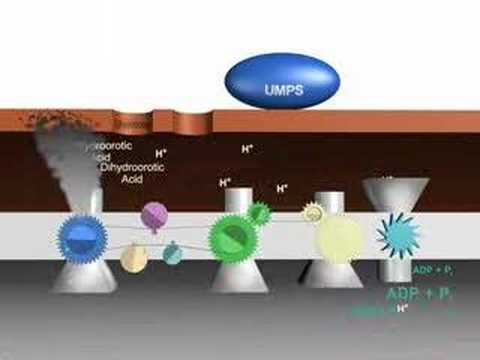
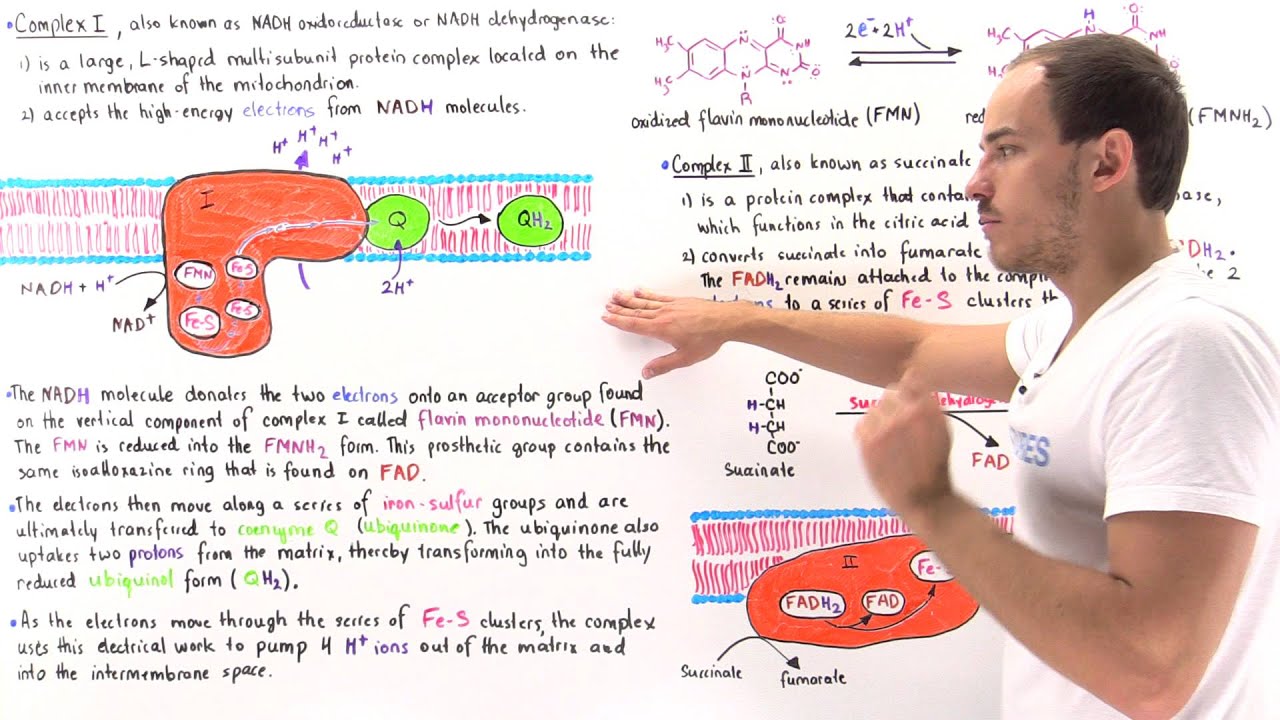
Mitochondrial complex 1, also known as NADH:ubiquinone oxidoreductase, is a large enzyme that catalyzes the first step of the mitochondrial electron transport chain. It's essential for oxidative phosphorylation in mammalian mitochondria.
Complex 1:
- Oxidizes NADH, which is generated through the Krebs cycle in the mitochondrial matrix
- Transfers electrons to Ubiquinone (Coenzyme Q, CoQ), a lipid soluble electron carrier embedded in the lipid bilayer of the inner mitochondrial membrane
- Couples electron transfer from NADH to ubiquinone with proton translocation across the energy-transducing inner membrane
- Provides electrons for respiration and drives ATP synthesis
- Is composed of 42 subunits, 7 of which are encoded by the mitochondrial genome
- Transfers electrons to coenzyme Q10 after the electrons have passed through a series of redox groups, including FMN and six iron–sulfur clusters
Mitochondrial complex 1 deficiency can cause:
- Low muscle tone (hypotonia)
- Muscle pain (myalgia)
- Extreme fatigue in response to physical activity (exercise intolerance)
- Elevated levels of lactic acid in the blood (lactic acidosis)
- Nausea, vomiting, weakness, and rapid breathing
- Progressive loss of mental and movement abilities (developmental or psychomotor regression)
- Death within 2 to 3 years from the onset of symptoms