Beavertail Cactus
The Beavertail Cactus, scientifically known as Opuntia basilaris, is a distinctive and fascinating member of the cactus family, Cactaceae. This species is native to the arid regions of the southwestern United States and northwestern Mexico, thriving in the harsh conditions of deserts and semi-desert environments. Its unique appearance and adaptability make it a subject of interest for botanists, gardeners, and nature enthusiasts alike.
Physical Description
The Beavertail Cactus is easily recognizable by its flat, paddle-like pads that resemble the tail of a beaver, hence its common name. These pads are typically blue-gray to green in color and are covered with small, hair-like spines called glochids, which can be quite irritating if they come into contact with skin. Unlike many other cacti, the Beavertail Cactus lacks large, prominent spines, giving it a smoother appearance.
During the spring, the Beavertail Cactus produces stunning, vibrant flowers that range in color from pink to magenta. These flowers are not only visually striking but also play a crucial role in the plant's reproduction by attracting pollinators such as bees and butterflies. The blooms are followed by the development of small, fleshy fruits that are edible and provide a food source for various desert animals.
Habitat and Distribution
The Beavertail Cactus is well-adapted to the extreme conditions of desert environments. It is commonly found in the Mojave and Sonoran Deserts, as well as in parts of the Great Basin Desert. This cactus thrives in sandy or rocky soils, often growing in open areas with plenty of sunlight. Its ability to store water in its pads allows it to survive prolonged periods of drought, making it a resilient species in its native habitat.
Ecological Importance
The Beavertail Cactus plays a significant role in its ecosystem. It provides food and shelter for a variety of desert wildlife, including birds, rodents, and insects. The flowers of the cactus are an important nectar source for pollinators, while the fruits offer nourishment to animals such as birds and small mammals. Additionally, the cactus helps stabilize the soil and prevent erosion in its arid environment.
Cultivation and Uses
Due to its striking appearance and low maintenance requirements, the Beavertail Cactus is a popular choice for xeriscaping and desert-themed gardens. It is well-suited for cultivation in areas with similar climates to its native habitat, requiring minimal water and care once established. Gardeners appreciate its ability to add color and texture to landscapes while being drought-tolerant.
In addition to its ornamental value, the Beavertail Cactus has been used by indigenous peoples for various purposes. The pads and fruits are edible, and the plant has been utilized in traditional medicine for its purported healing properties. However, care should be taken when handling the cactus due to its glochids, which can cause skin irritation.
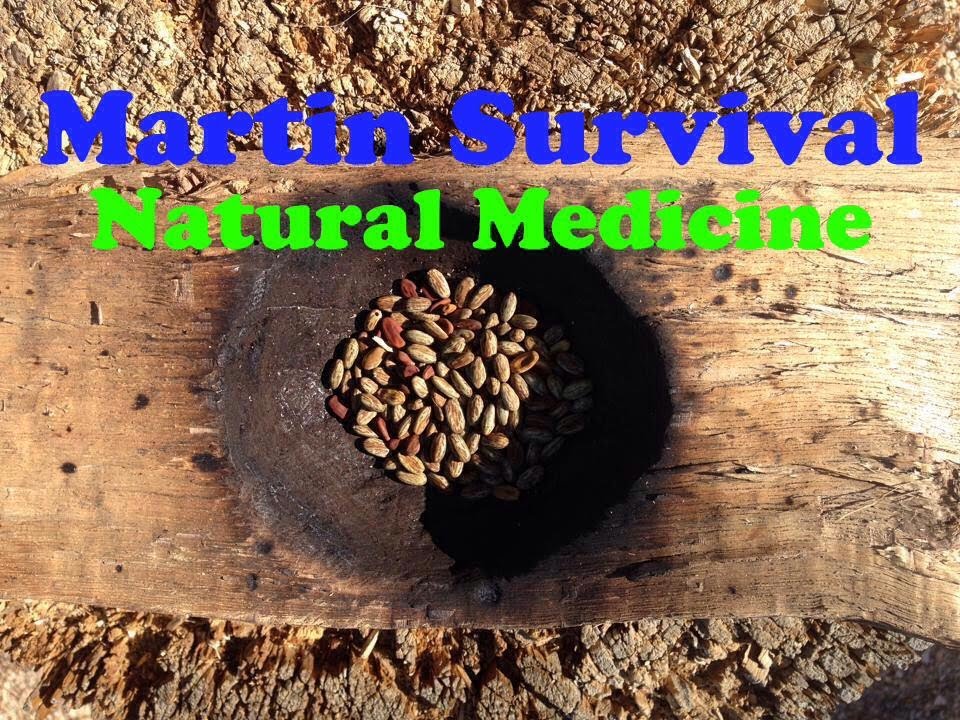
The Cahuilla Native Americans used beavertail as a food staple. The buds were cooked or steamed, and then were eaten or stored. The large seeds were ground up to be eaten as mush
Conservation Status
The Beavertail Cactus is not currently listed as a threatened or endangered species. However, like many desert plants, it faces challenges from habitat loss and environmental changes. Conservation efforts aimed at preserving desert ecosystems and promoting sustainable land use practices are essential to ensure the continued survival of this and other native species.
Interesting Facts
- The Beavertail Cactus is a member of the Opuntia genus, which includes a wide variety of prickly pear cacti.
- The glochids on the pads are barbed and can be difficult to remove from skin or clothing.
- The flowers of the Beavertail Cactus open during the day and close at night, a behavior known as nyctinasty.
- The cactus can live for several decades, with some specimens reaching over 50 years of age.