Candidemia
Candidemia: Antifungal Stewardship and the Importance of a Rapid Diagnosis by Michael Pfaller, MD

Burden of Candidemia in the United States:
Defenses
Diagnosis
Candidemia is a serious bloodstream infection caused by the Candida species, a type of yeast. This condition is a form of invasive candidiasis and is considered a significant cause of morbidity and mortality, particularly in hospitalized patients.
Causes and Risk Factors
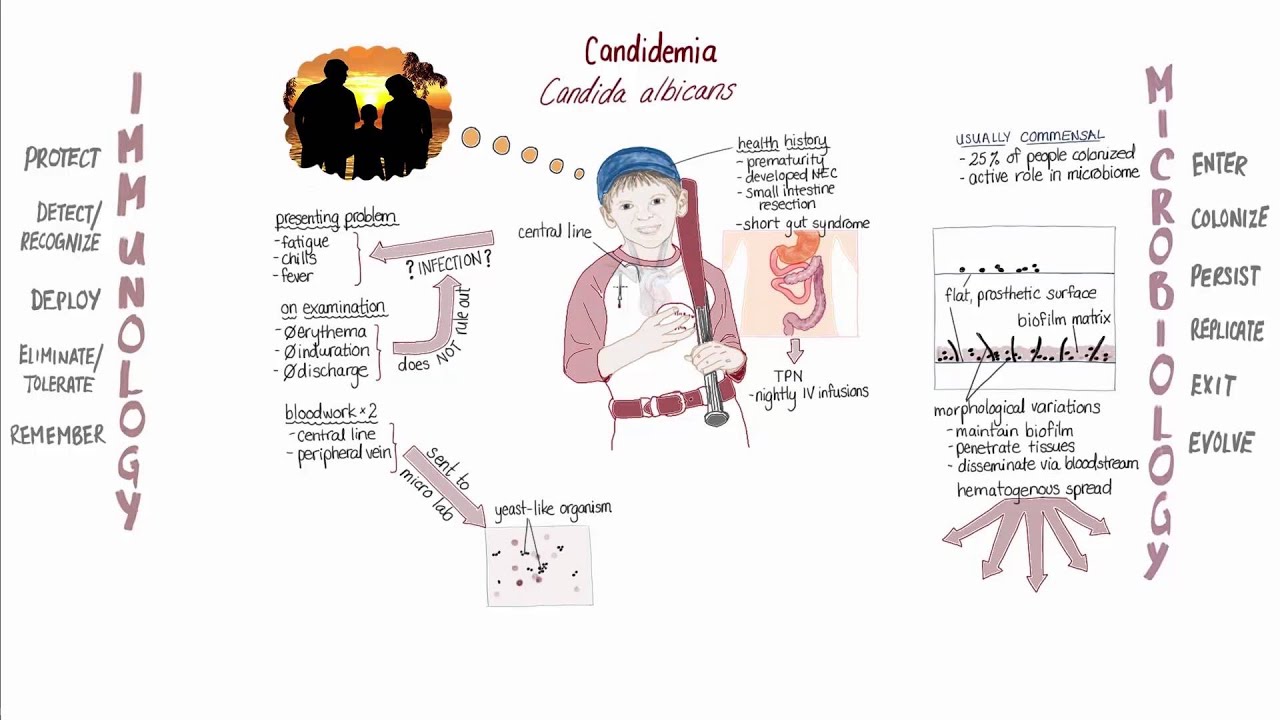
Candidemia occurs when Candida species enter the bloodstream, leading to systemic infection. Several factors can increase the risk of developing candidemia:
- Immunocompromised State: Patients with weakened immune systems, such as those undergoing chemotherapy, organ transplant recipients, or individuals with HIV/AIDS, are at higher risk.
- Hospitalization: Prolonged hospital stays, especially in intensive care units (ICUs), increase the likelihood of candidemia due to invasive procedures and devices.
- Use of Broad-Spectrum Antibiotics: These antibiotics can disrupt the normal flora, allowing Candida to overgrow and enter the bloodstream.
- Central Venous Catheters: The presence of these catheters can serve as a direct entry point for Candida into the bloodstream.
- Total Parenteral Nutrition (TPN): Patients receiving TPN are at increased risk due to the high glucose content, which promotes fungal growth.
- Diabetes: Poorly controlled diabetes can impair immune function and provide a nutrient-rich environment for Candida.
Symptoms
The symptoms of candidemia can be nonspecific and may resemble those of other bloodstream infections. Common symptoms include:
- Fever and chills that do not improve with antibiotic treatment
- Generalized weakness and fatigue
- Muscle aches and joint pain
- Abdominal pain
- Skin rashes or lesions
- Low blood pressure and signs of septic shock in severe cases
Diagnosis
Diagnosing candidemia involves a combination of clinical evaluation and laboratory tests. Key diagnostic methods include:
- Blood Cultures: The gold standard for diagnosing candidemia. Multiple blood samples are taken to detect the presence of Candida species.
- Beta-D-Glucan Test: This test detects fungal cell wall components in the blood and can support the diagnosis.
- Polymerase Chain Reaction (PCR): PCR can identify Candida DNA in blood samples, providing a rapid diagnosis.
- Imaging Studies: In some cases, imaging studies like echocardiography or CT scans may be necessary to identify the source of infection or complications.
Treatment
The treatment of candidemia requires prompt and effective antifungal therapy. The choice of antifungal agent depends on several factors, including the patient's clinical condition, the Candida species involved, and its susceptibility profile. Common antifungal treatments include:
- Echinocandins: These are often the first-line treatment due to their efficacy and safety profile. Examples include caspofungin, micafungin, and anidulafungin.
- Azoles: Fluconazole and voriconazole are commonly used, especially if the Candida species is known to be susceptible.
- Amphotericin B: This is reserved for severe cases or when other antifungals are not effective.
In addition to antifungal therapy, it is crucial to remove any central venous catheters and address other sources of infection. Supportive care, including fluid management and hemodynamic support, may be necessary for critically ill patients.
Prevention
Preventing candidemia involves several strategies aimed at reducing risk factors and improving infection control practices:
- Infection Control Measures: Strict adherence to hand hygiene, aseptic techniques, and environmental cleaning in healthcare settings.
- Antibiotic Stewardship: Rational use of antibiotics to minimize disruption of normal flora and reduce the risk of fungal overgrowth.
- Catheter Management: Prompt removal of unnecessary central venous catheters and proper care of indwelling devices.
- Monitoring High-Risk Patients: Regular surveillance and early intervention in patients at high risk for candidemia.