Epilepsy, Diagnosis
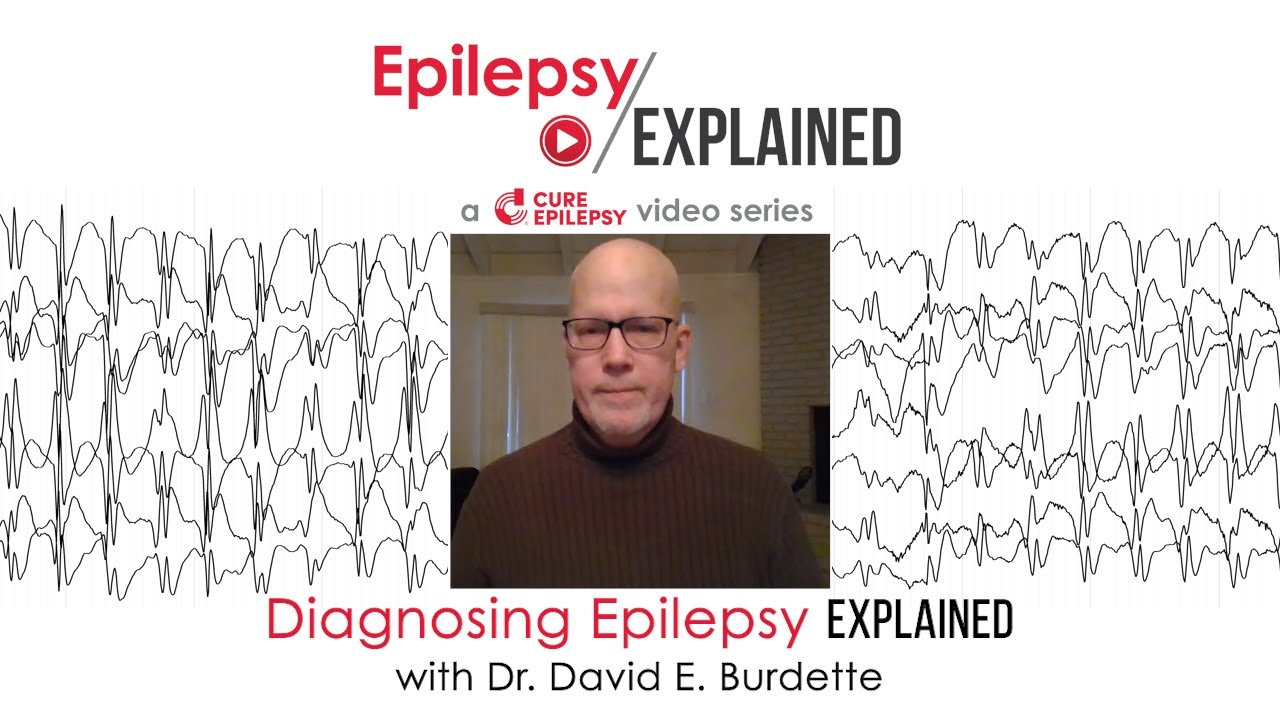

Epilepsy is a neurological disorder characterized by recurrent, unprovoked seizures. Diagnosing epilepsy can be complex, as it involves distinguishing it from other conditions that may cause similar symptoms.
Initial Assessment
The diagnosis of epilepsy typically begins with a comprehensive medical history and a detailed account of the seizure events. This initial assessment is crucial for understanding the context and characteristics of the seizures. Key elements of the assessment include:
- Seizure Description: Patients or witnesses are asked to describe the seizures in detail, including the duration, frequency, and any preceding symptoms or triggers.
- Medical History: A thorough review of the patient's medical history, including any previous neurological issues, head injuries, or family history of epilepsy, is conducted.
- Physical Examination: A neurological examination is performed to assess the patient's motor and sensory functions, reflexes, and coordination.
Diagnostic Tests
Once the initial assessment suggests the possibility of epilepsy, several diagnostic tests may be employed to confirm the diagnosis and rule out other conditions.
Electroencephalogram (EEG)
The EEG is one of the most important tools in diagnosing epilepsy. It records the electrical activity of the brain and can detect abnormalities that may indicate a predisposition to seizures. Key points about EEG include:
- Routine EEG: This test is typically conducted over a short period and may not capture seizure activity if it is infrequent.
- Ambulatory EEG: This allows for prolonged monitoring, often over 24 to 72 hours, increasing the likelihood of capturing seizure activity.
- Video EEG Monitoring: Combines EEG with video recording to correlate electrical activity with physical manifestations of seizures.
Imaging Studies
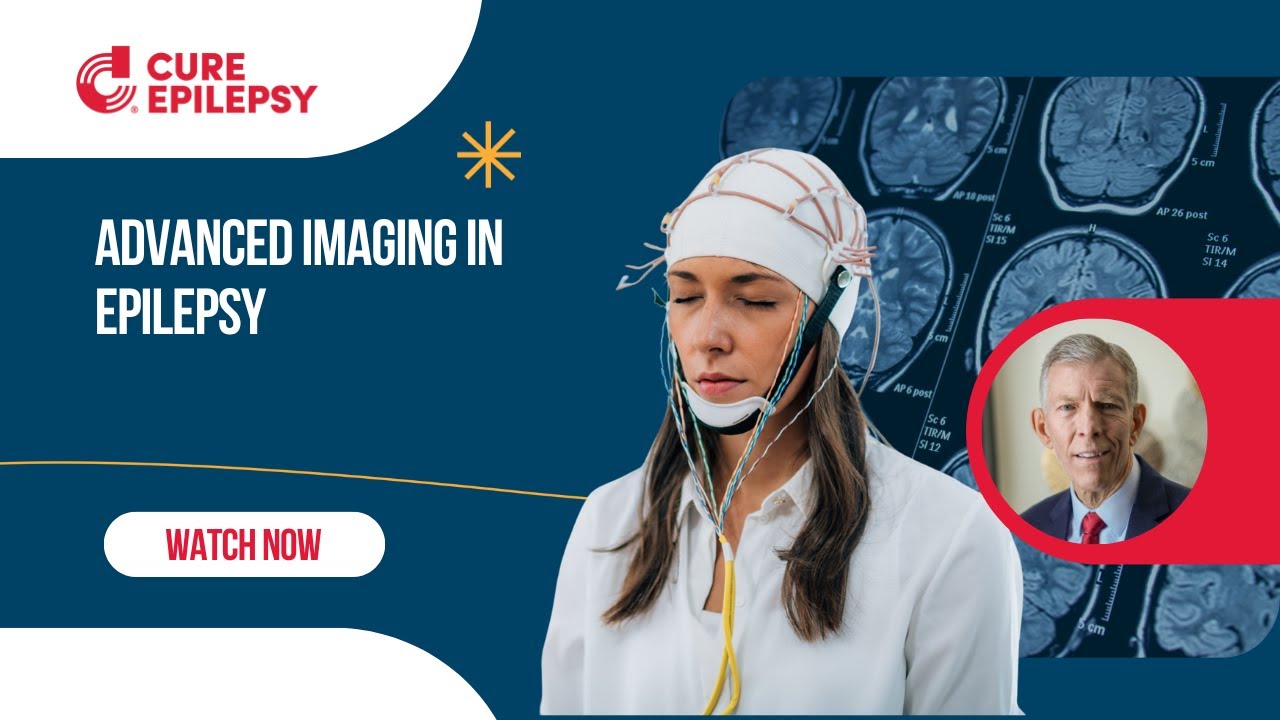
Imaging studies are used to identify structural abnormalities in the brain that may be causing seizures. Common imaging techniques include:
- Magnetic Resonance Imaging (MRI): Provides detailed images of the brain's structure and is often used to identify lesions, tumors, or other abnormalities.
- Computed Tomography (CT) Scan: May be used in emergency situations to quickly assess for acute brain injuries or abnormalities.
Blood Tests
Blood tests can help rule out other conditions that might mimic epilepsy, such as metabolic disorders or infections. They can also identify potential causes of seizures, such as electrolyte imbalances or drug toxicity.
Differential Diagnosis
Differentiating epilepsy from other conditions is a critical step in the diagnostic process. Some conditions that may mimic epilepsy include:
- Syncope: A temporary loss of consciousness due to a drop in blood pressure.
- Psychogenic Non-Epileptic Seizures (PNES): Seizures that have a psychological origin rather than a neurological one.
- Migraines: Severe headaches that can sometimes present with aura or other neurological symptoms.
- Sleep Disorders: Conditions like narcolepsy can cause episodes that resemble seizures.
Classification of Epilepsy
Once epilepsy is diagnosed, it is important to classify the type of epilepsy and seizures to guide treatment. The International League Against Epilepsy (ILAE) provides a classification system that includes:
- Focal Seizures: Originate in one area of the brain and may or may not affect consciousness.
- Generalized Seizures: Involve both hemispheres of the brain and typically affect consciousness.
- Unknown Onset Seizures: When the onset of the seizure is not observed or cannot be determined.
Challenges in Diagnosis
Diagnosing epilepsy can be challenging due to the variability in seizure types and the overlap with other conditions. Some challenges include:
- Intermittent Nature of Seizures: Seizures may not occur frequently, making it difficult to capture them during diagnostic tests.
- Subjective Descriptions: Reliance on patient or witness descriptions can lead to inaccuracies.
- Coexisting Conditions: Patients may have other neurological or psychological conditions that complicate the diagnosis.
articles/studies
AI Detects Early Epilepsy Signs in EEG Data. AI detects epilepsy in brain waves. A new study demonstrates that machine learning can accurately identify genetic epilepsy markers entirely from baseline brain waves.