Squamous Cell Lung Cancer
Videos
Squamous Lung Cancer - What is Squamous Lung Cancer?
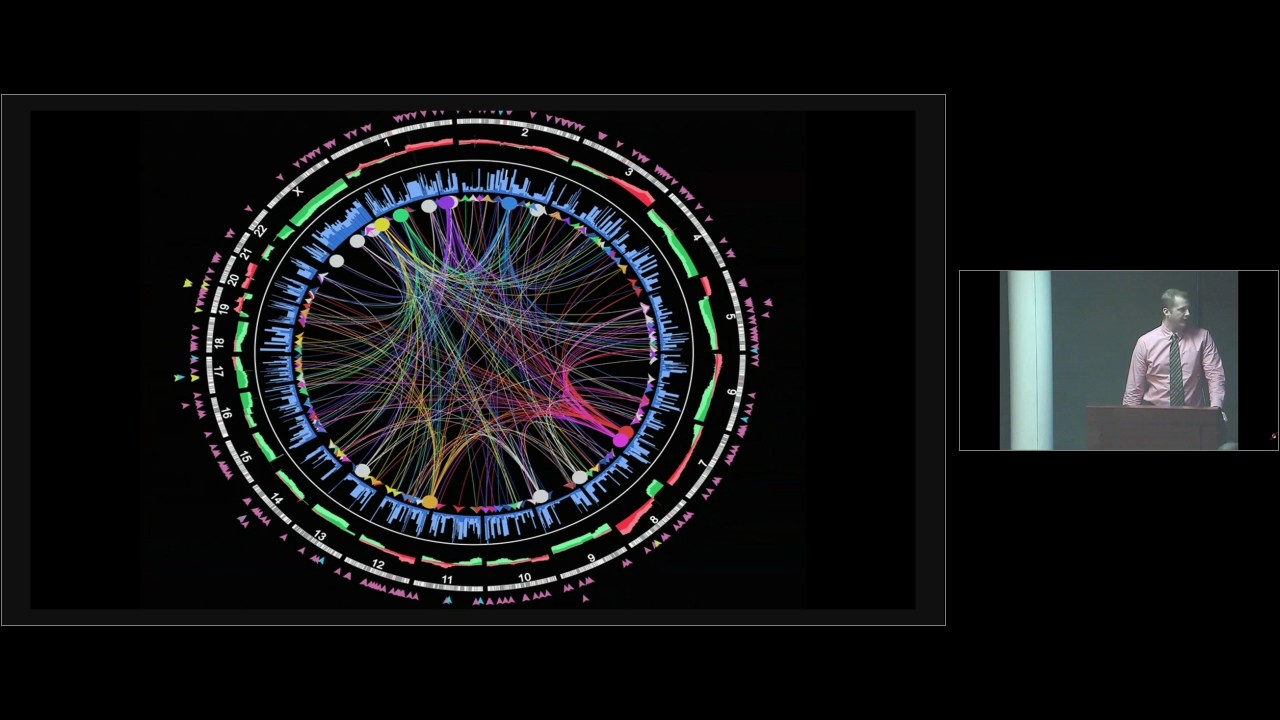
Diagnosis of Metastatic Squamous Lung Cancer
The difficulties in treating squamous cell lung cancer
Squamous cell carcinoma of the lung: Treatment options in first- and second line
Current treatment options for squamous cell lung cancer
Future treatment options for squamous cell lung cancer
Squamous cell lung cancer, also called squamous cell carcinoma of the lung, accounts for about 30% of all lung cancers.
Squamous cell lung cancer, or squamous cell carcinoma of the lung, is one type of non-small cell lung cancer (NSCLC). Squamous cell lung cancer is categorized as such by how the cells look under a microscope. Squamous cell lung cancer begins in the squamous cells—thin, flat cells that look like fish scales when seen under a microscope. They line the inside of the airways in the lungs. Squamous cell lung cancer is also called epidermoid carcinoma.
Squamous cell lung tumors usually occur in the central part of the lung or in one of the main airways (left or right bronchus). The tumor’s location is responsible for symptoms such as cough, trouble breathing, chest pain, and blood in the sputum. If the tumor grows to a large size, a chest X-ray or computed tomography (CT or CAT ) scan may detect a cavity in the lung. A cavity is a gas- or fluid-filled space within a tumor mass or nodule and is a classic sign of squamous cell lung cancer. Squamous cell lung cancer can spread to multiple sites, including the brain, spine and other bones, adrenal glands, and liver.
About 30% of all lung cancers are classified as squamous cell lung cancer. It is more strongly associated with smoking than any other type of non-small cell lung cancer. Other risk factors for squamous cell lung cancer include age, family history, and exposure to secondhand smoke, mineral and metal dust, asbestos, or radon. Read more...
Immune surveillance in clinical regression of preinvasive squamous cell lung cancer.
Treatment of advanced squamous cell carcinoma of the lung: a review
Targeted therapy for squamous cell lung cancer
Targeted Therapy for Advanced Squamous Cell Lung Cancer
Pterostilbene is a potential chemoprevention agent for lung squamous cell carcinoma
Complete spontaneous regression of squamous-cell lung cancer.