Mango Ginger
Pickled:
Mango Ginger, scientifically known as Curcuma amada, is a plant that belongs to the Zingiberaceae family, which also includes turmeric and ginger. Despite its name, Mango Ginger is not related to the mango fruit but gets its name due to its distinct mango-like aroma. This perennial herb is native to Southeast Asia and is widely cultivated in India, Thailand, and other tropical regions.
Botanical Characteristics
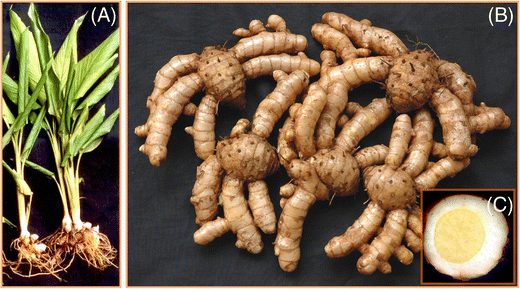
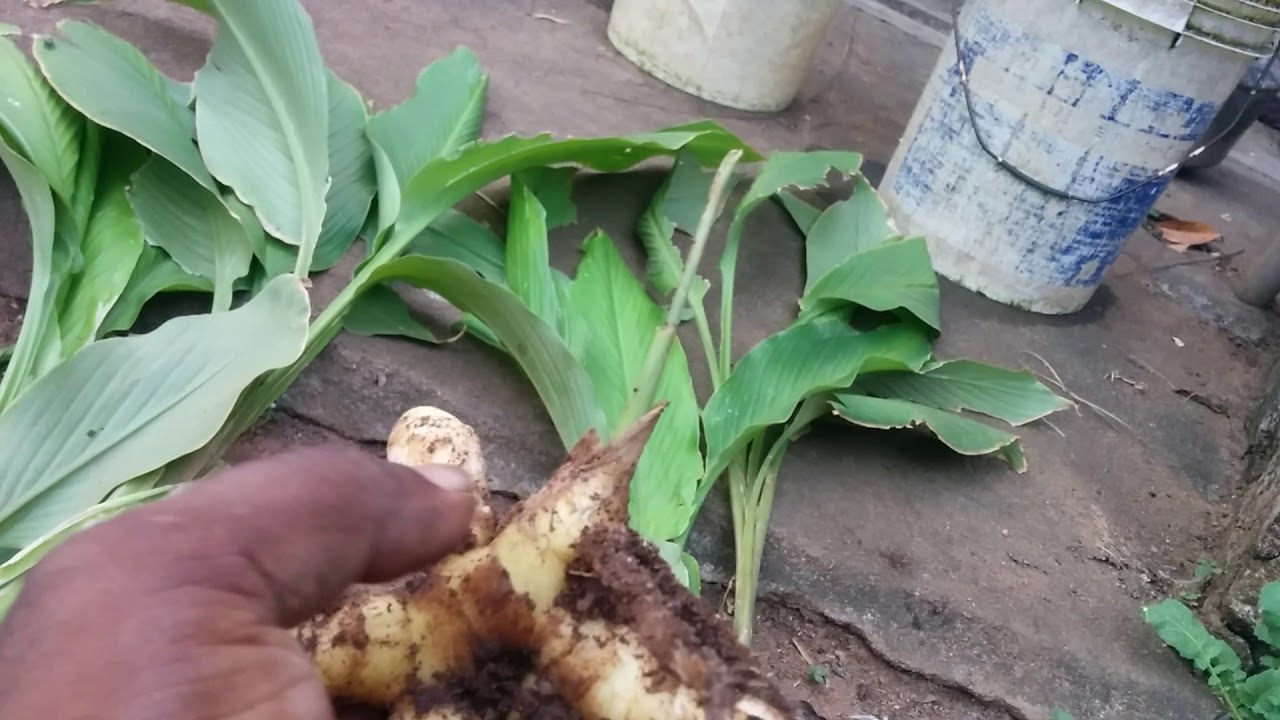
Mango Ginger is a rhizomatous herb, meaning it grows from rhizomes, which are underground stems that send out roots and shoots. The plant typically reaches a height of 1 to 1.5 meters. The leaves are long, lanceolate, and bright green, resembling those of turmeric. The rhizomes are the most valuable part of the plant, characterized by their yellowish color and strong mango-like fragrance.
Cultivation and Harvesting
Mango Ginger thrives in warm, humid climates and well-drained, loamy soils. It is usually planted at the beginning of the rainy season and takes about 7 to 9 months to mature. The rhizomes are harvested once the leaves start to yellow and wither. After harvesting, the rhizomes are cleaned, dried, and stored for various uses.
Nutritional and Medicinal Properties
Mango Ginger is rich in essential oils, curcuminoids, and other bioactive compounds that contribute to its numerous health benefits. Some of the key nutritional and medicinal properties include:
- Anti-inflammatory: The curcuminoids in Mango Ginger have potent anti-inflammatory properties, making it useful in treating conditions like arthritis and other inflammatory disorders.
- Antioxidant: The plant contains antioxidants that help neutralize free radicals, reducing oxidative stress and preventing cellular damage.
- Antimicrobial: Mango Ginger exhibits antimicrobial activity against a range of bacteria and fungi, making it effective in treating infections.
- Digestive Aid: It is known to improve digestion, reduce bloating, and alleviate gastrointestinal issues.
- Analgesic: The rhizomes have pain-relieving properties, which can be beneficial in managing pain and discomfort.
Culinary Uses
Mango Ginger is a versatile ingredient in the culinary world, especially in Indian and Southeast Asian cuisines. Its unique flavor and aroma make it a popular choice for various dishes. Some common culinary uses include:
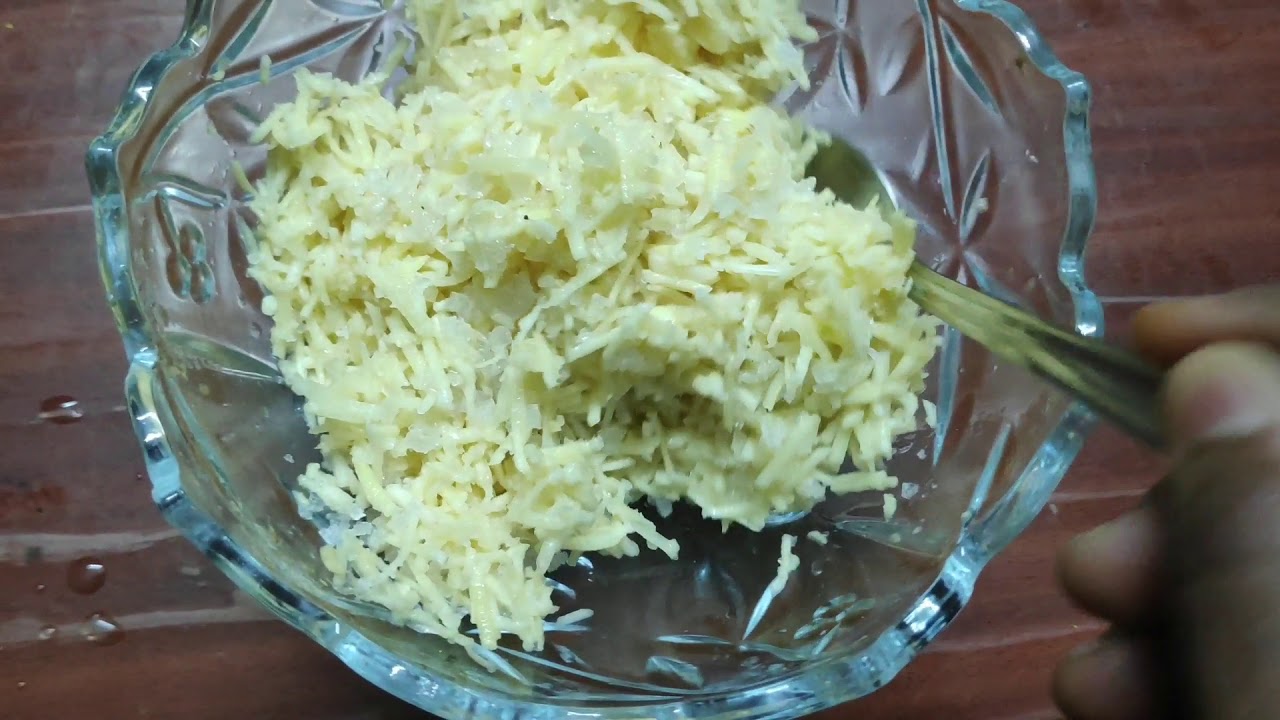
- Pickles: Mango Ginger is often used to make pickles, adding a tangy and aromatic flavor.
- Chutneys: It is a key ingredient in many traditional chutneys, providing a distinctive taste.
- Curries: The rhizomes can be grated or sliced and added to curries for an extra layer of flavor.
- Salads: Fresh Mango Ginger can be thinly sliced and added to salads for a refreshing twist.
- Beverages: It is sometimes used in beverages like herbal teas and health drinks for its medicinal properties.
Traditional and Modern Applications
In traditional medicine, Mango Ginger has been used for centuries to treat a variety of ailments. Ayurvedic practitioners often recommend it for its digestive, anti-inflammatory, and antimicrobial properties. It is also used in traditional Thai medicine for similar purposes.
In modern times, Mango Ginger is gaining popularity in the wellness and natural health industries. It is often found in dietary supplements, herbal teas, and natural skincare products. Researchers are also exploring its potential in developing new pharmaceuticals due to its bioactive compounds.
Environmental and Economic Importance
Mango Ginger plays a significant role in the agricultural economy of regions where it is cultivated. It provides livelihood opportunities for farmers and contributes to the local economy. Additionally, the plant is relatively low-maintenance and can be grown sustainably, making it an environmentally friendly crop.
Articles/Studies
The results indicated that the C. mangga extract has immunomodulatory effects.