Mayabei Maple
BOTANICAL CHARACTERISTICS
The Mayabei Maple, scientifically known as Acer mayabei, is a deciduous tree that belongs to the family Sapindaceae. It is renowned for its vibrant foliage, which undergoes a spectacular transformation throughout the seasons. Here are some key botanical features:
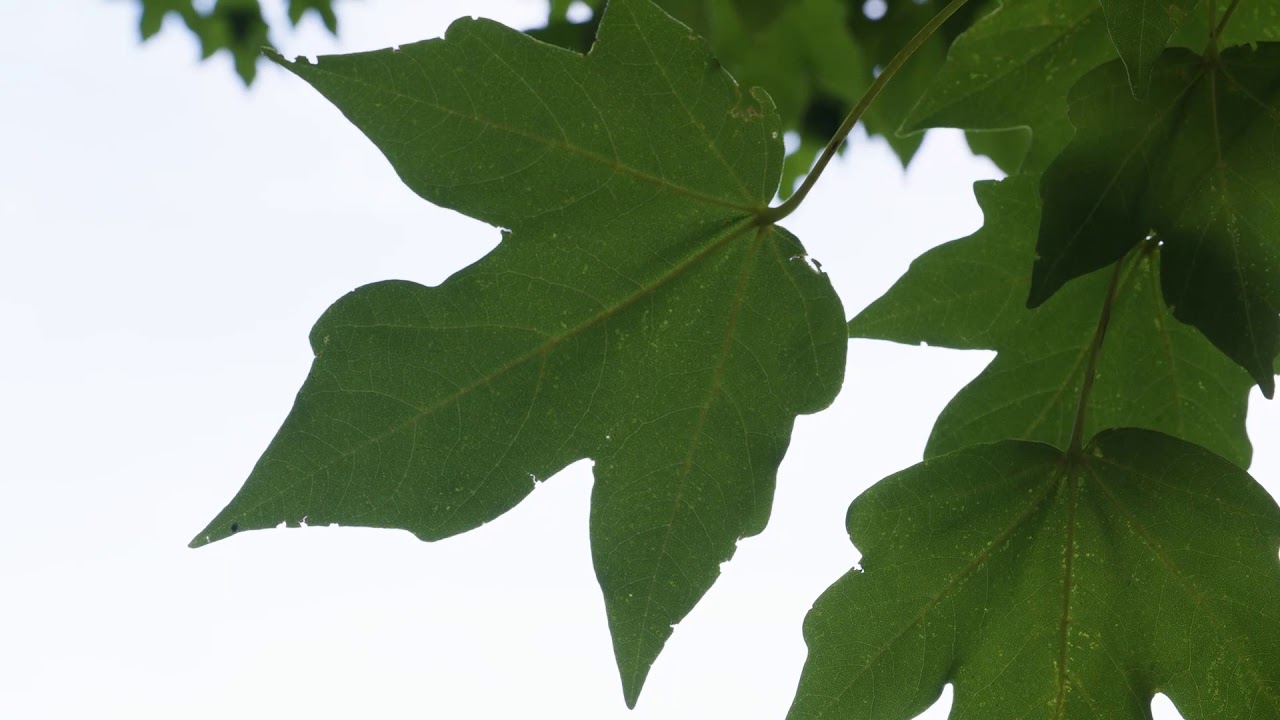
- Leaves: The leaves of the Mayabei Maple are palmate, typically having five lobes. They are known for their brilliant colors, ranging from deep green in the spring and summer to fiery reds, oranges, and yellows in the fall.
- Bark: The bark is smooth and gray when the tree is young, becoming rougher and more fissured with age.
- Flowers: In the spring, the tree produces small, inconspicuous flowers that are usually yellow-green in color. These flowers are arranged in clusters known as inflorescences.
- Fruit: The fruit of the Mayabei Maple is a double samara, commonly referred to as "helicopters" or "whirlybirds" due to their unique shape and the way they spin as they fall to the ground.
Habitat and Distribution
The Mayabei Maple is native to temperate regions and thrives in a variety of habitats. It is commonly found in:
- Forests: Prefers well-drained, fertile soils and is often found in mixed hardwood forests.
- Urban Areas: Due to its aesthetic appeal and adaptability, it is frequently planted in parks, gardens, and along streets.
- Mountains: Can be found at higher elevations where the climate is cooler and more humid.
The tree is adaptable to different soil types but prefers slightly acidic to neutral pH levels. It requires full sun to partial shade for optimal growth.
Ecological Importance
The Mayabei Maple plays a crucial role in its ecosystem. Some of its ecological contributions include:
- Habitat: Provides shelter and food for various wildlife species, including birds, insects, and small mammals.
- Soil Health: Its fallen leaves decompose and enrich the soil with organic matter, promoting soil fertility and structure.
- Air Quality: Like other trees, the Mayabei Maple contributes to air purification by absorbing carbon dioxide and releasing oxygen.
Cultural Significance
The Mayabei Maple holds a special place in various cultures and traditions. Its vibrant fall foliage has made it a symbol of beauty and change. Here are some cultural aspects:
- Art and Literature: The tree's stunning colors have inspired countless works of art, poetry, and literature.
- Festivals: In some regions, fall festivals celebrate the changing colors of the Mayabei Maple, attracting tourists and nature enthusiasts.
- Gardening: It is a popular choice for ornamental gardening due to its aesthetic appeal and relatively low maintenance requirements.
Conservation and Challenges
Despite its many benefits, the Mayabei Maple faces several challenges that threaten its survival:
- Climate Change: Altered weather patterns and temperature fluctuations can affect its growth and reproductive cycles.
- Pests and Diseases: The tree is susceptible to various pests and diseases, such as aphids, scale insects, and fungal infections.
- Deforestation: Habitat loss due to urbanization and deforestation poses a significant threat to its natural populations.
Efforts are being made to conserve the Mayabei Maple through:
- Reforestation Projects: Planting new trees in deforested areas to restore natural habitats.
- Research: Studying the tree's genetics and ecology to develop disease-resistant varieties and improve conservation strategies.
- Public Awareness: Educating the public about the importance of preserving this species and encouraging sustainable practices.