Custard Apple
Constituents
The custard apple, scientifically known as Annona reticulata, is a tropical fruit that belongs to the Annonaceae family. This fruit is also commonly referred to as bullock's heart due to its shape and texture. Native to the tropical regions of the Americas, the custard apple has gained popularity in various parts of the world for its unique flavor and numerous health benefits.
Botanical Description
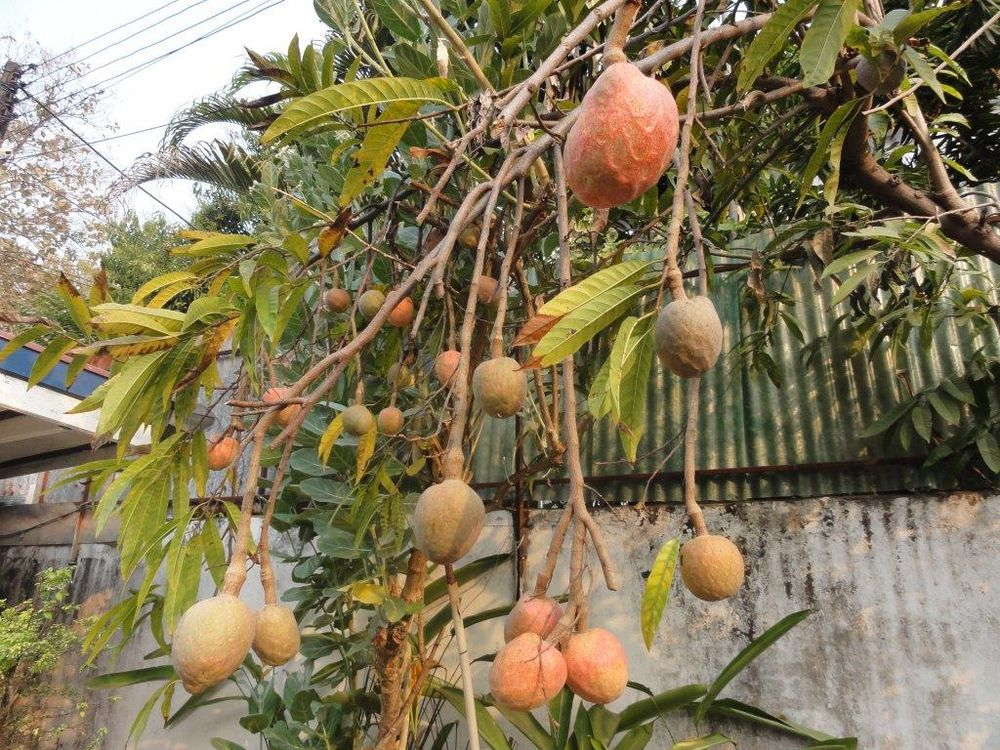
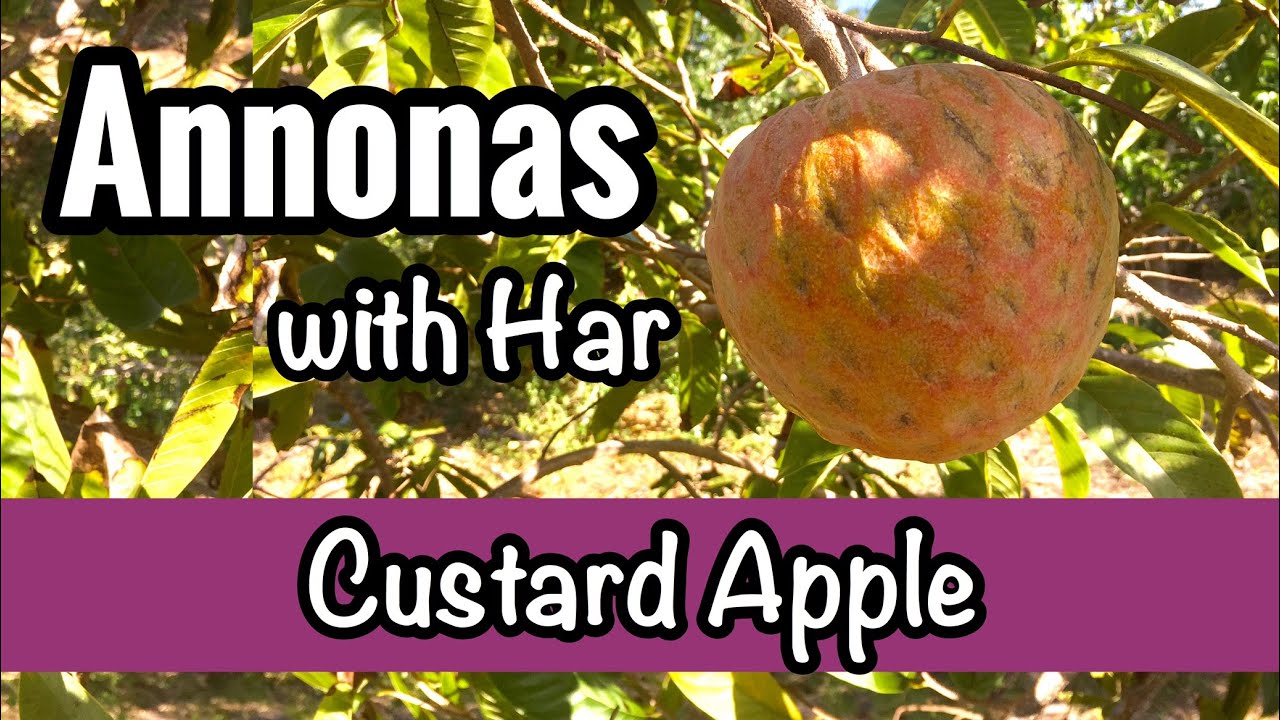
The custard apple tree is a small to medium-sized deciduous tree that can grow up to 10 meters in height. The leaves are simple, oblong, and have a glossy green appearance. The flowers are fragrant and have a yellow-green color, which eventually give way to the fruit. The fruit itself is heart-shaped or spherical, with a bumpy, reticulated skin that can range in color from green to brownish-red.
Nutritional Profile
Custard apples are rich in essential nutrients, making them a valuable addition to a balanced diet. Here is a breakdown of the nutritional content per 100 grams of the fruit:
- Calories: 94
- Carbohydrates: 23.64 grams
- Protein: 2.06 grams
- Fat: 0.29 grams
- Dietary Fiber: 4.4 grams
- Vitamin C: 19.2 mg (32% of the Daily Value)
- Vitamin B6: 0.2 mg (10% of the Daily Value)
- Potassium: 382 mg (11% of the Daily Value)
- Magnesium: 21 mg (5% of the Daily Value)
Health Benefits
The custard apple offers a variety of health benefits due to its rich nutritional profile:
1. Boosts Immunity
The high vitamin C content in custard apples helps strengthen the immune system by promoting the production of white blood cells and acting as an antioxidant to protect against free radicals.
2. Supports Digestive Health
The dietary fiber in custard apples aids in digestion by promoting regular bowel movements and preventing constipation. It also helps maintain a healthy gut microbiome.
3. Enhances Heart Health
Potassium and magnesium in custard apples contribute to cardiovascular health by regulating blood pressure and supporting proper heart function. The fruit's fiber content also helps lower cholesterol levels.
4. Promotes Healthy Skin
Vitamin C is essential for collagen production, which keeps the skin firm and youthful. The antioxidants in custard apples also help protect the skin from damage caused by UV rays and pollution.
5. Aids in Weight Management
Custard apples are low in fat and calories but high in fiber, making them a filling and nutritious snack that can help with weight management.
Culinary Uses
Custard apples are versatile and can be enjoyed in various ways:
- Fresh: The simplest way to enjoy custard apples is to eat them fresh. Simply cut the fruit in half and scoop out the creamy flesh with a spoon.
- Smoothies: Blend custard apple flesh with other fruits, yogurt, and a bit of honey for a delicious and nutritious smoothie.
- Desserts: Custard apples can be used in a variety of desserts, such as ice creams, puddings, and cakes, to add a unique flavor and creamy texture.
- Salads: Add custard apple chunks to fruit salads for a tropical twist.
Cultivation and Harvesting
Custard apple trees thrive in tropical and subtropical climates. They prefer well-drained soil and full sunlight. The trees are relatively drought-tolerant but benefit from regular watering during dry periods. The fruit is typically harvested when it is fully mature but still firm. It will continue to ripen off the tree, becoming softer and sweeter.
Articles/Studies
- A COMPREHENSIVE REVIEW ON ANNONA RETICULATA |
- Annona reticulata Linn. (Bullock's heart): Plant profile, phytochemistry and pharmacological properties
- Assessment of Annona reticulata Linn. leaves fractions for invitro antioxidative effect and antimicrobial potential against standard human pathogenic strains
- Antioxidant, antimicrobial activity and in silico PASS prediction of Annona reticulata Linn. root extract
- Bioactive Fraction of Annona reticulata Bark (or) Ziziphus jujuba Root Bark along with Insulin Attenuates Painful Diabetic Neuropathy through Inhibiting NF-κB Inflammatory Cascade