Growing Peppers
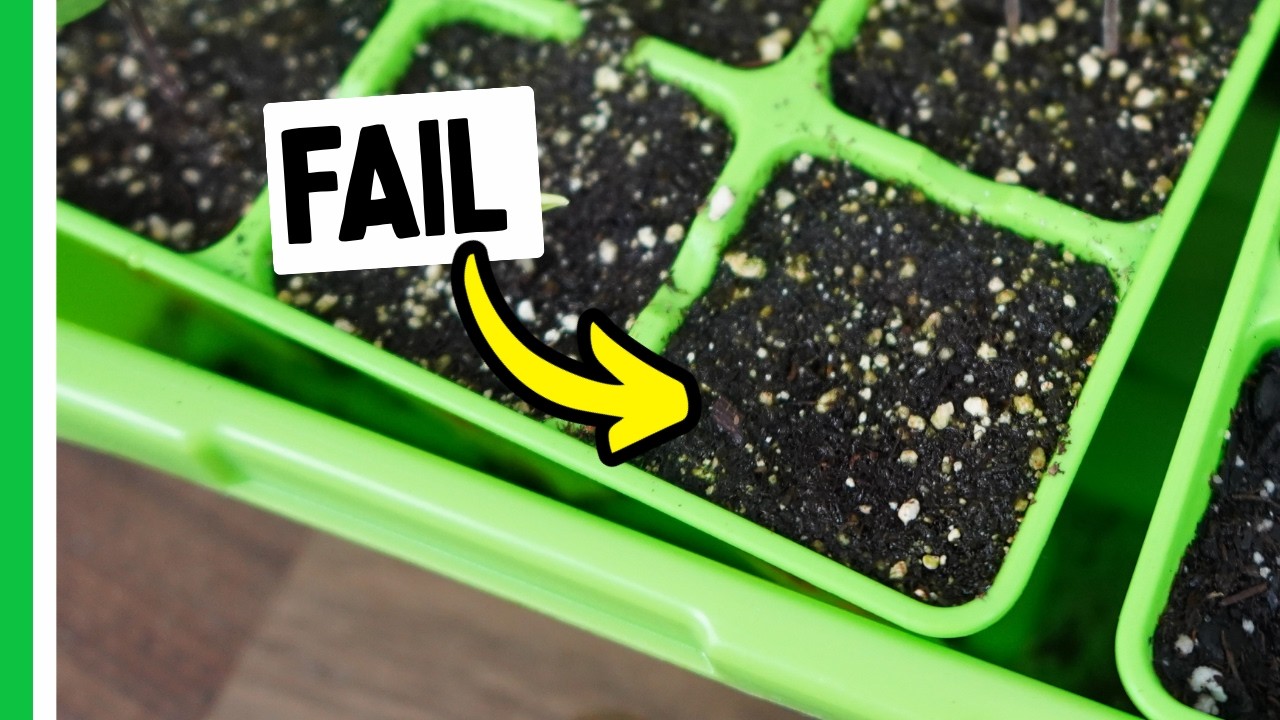
Why your seeds may fail to sprout
5 Mistakes to Avoid
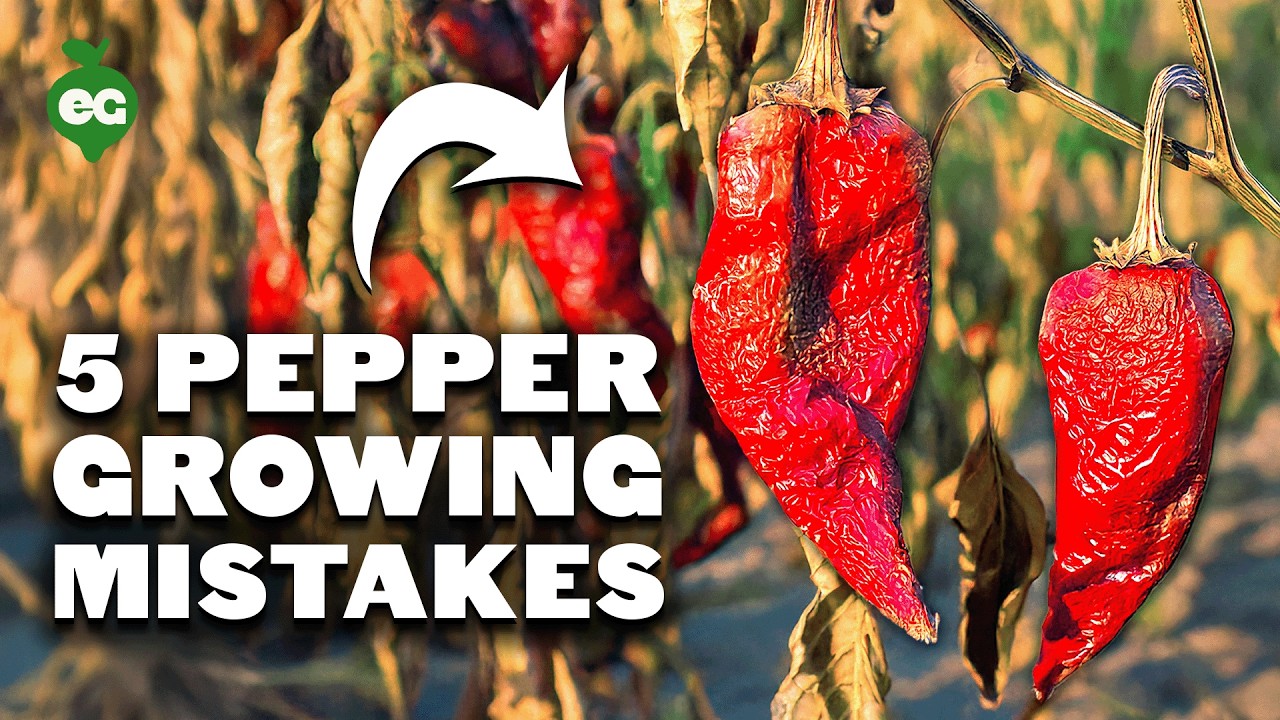
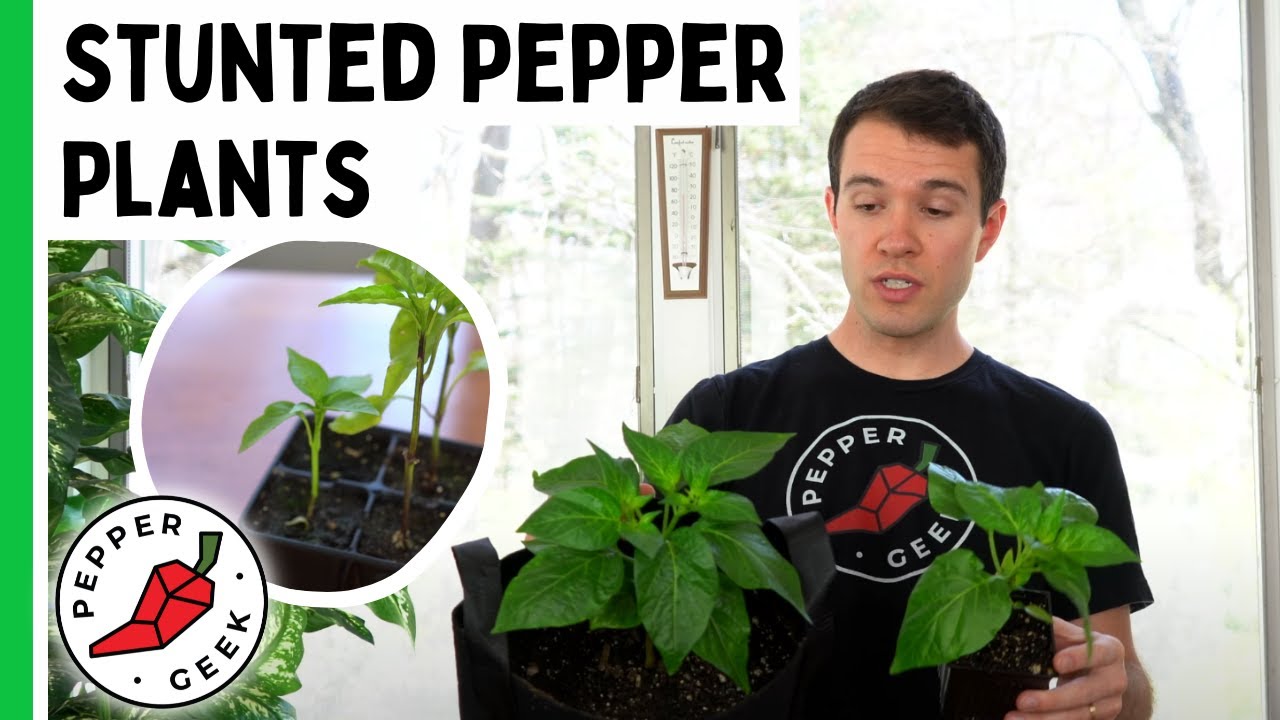
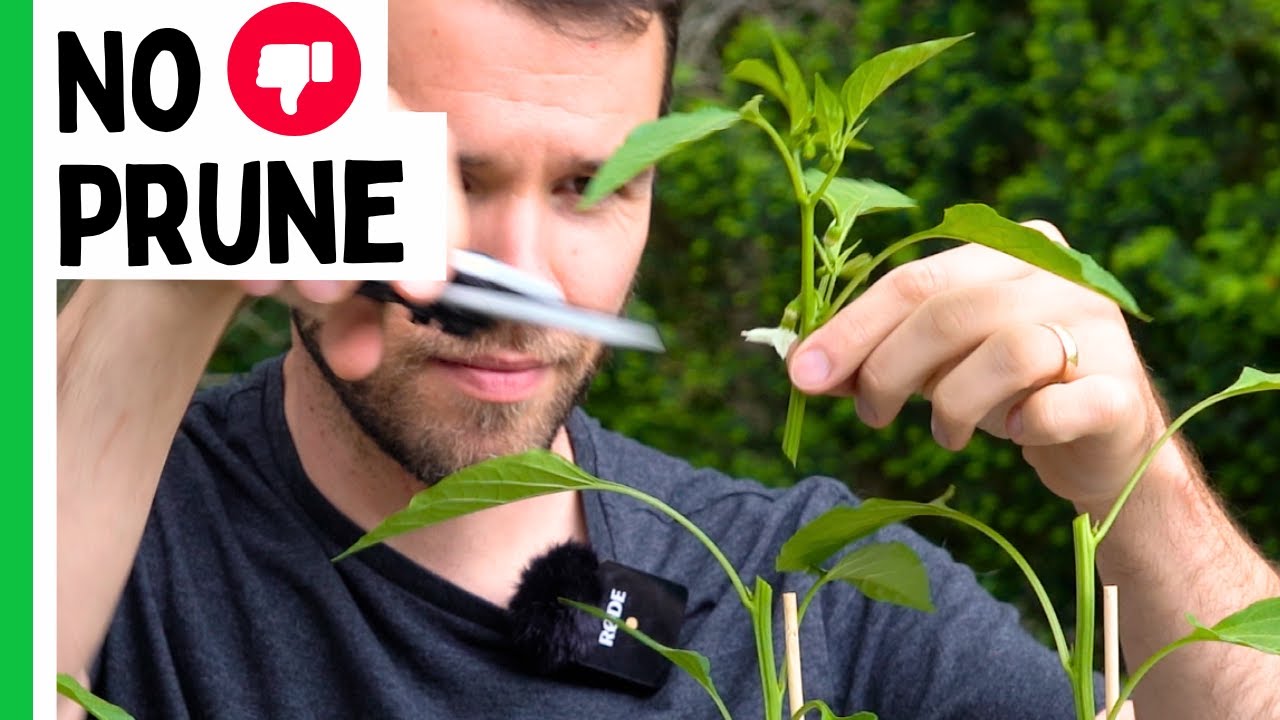
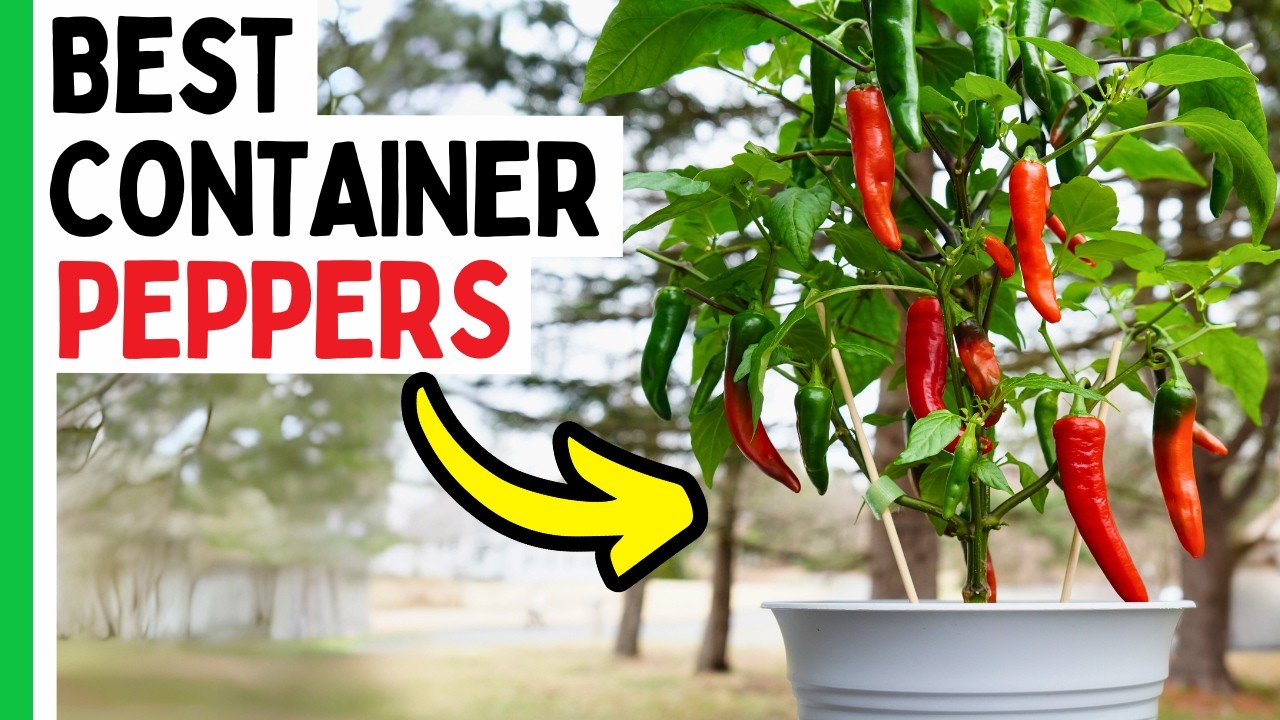
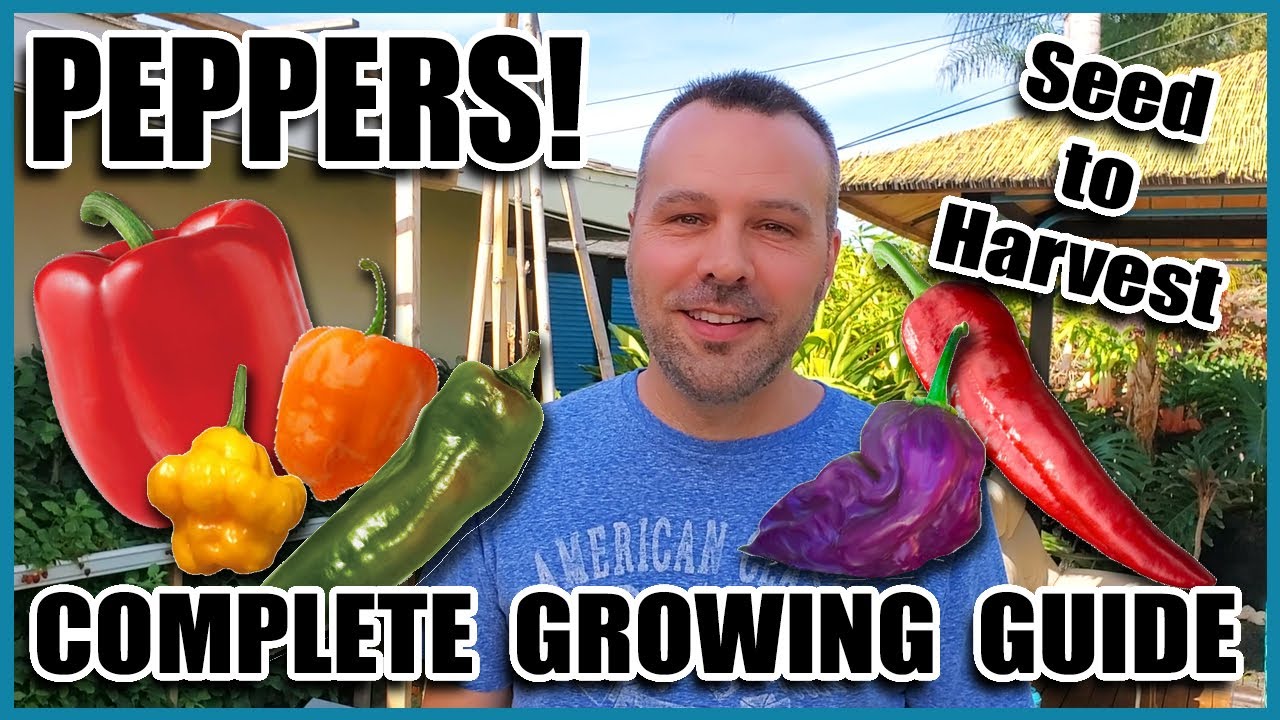
Growing peppers can be a rewarding and enjoyable gardening endeavor, whether you're a seasoned gardener or a beginner. Peppers come in a variety of shapes, sizes, and flavors, ranging from sweet bell peppers to fiery hot chilies.
Choosing the Right Pepper Varieties
Before you start planting, it's important to choose the right pepper varieties that suit your taste preferences and growing conditions. Here are some popular types:
- Bell Peppers: Known for their sweet flavor and crisp texture, bell peppers are versatile and can be used in a variety of dishes.
- Jalapeños: These medium-sized peppers are moderately hot and are often used in salsas and as toppings.
- Habaneros: Known for their intense heat, habaneros are a favorite among those who love spicy foods.
- Cayenne Peppers: These long, thin peppers are often dried and ground into a powder for seasoning.
- Banana Peppers: Mild and tangy, banana peppers are great for pickling and adding to sandwiches.
Preparing the Soil
Peppers thrive in well-drained, nutrient-rich soil. Here are some tips for preparing the perfect soil for your pepper plants:
- Test the Soil: Use a soil test kit to check the pH level. Peppers prefer a pH between 6.0 and 7.0.
- Amend the Soil: Add organic matter such as compost or well-rotted manure to improve soil fertility and drainage.
- Ensure Good Drainage: If your soil is heavy clay, consider building raised beds or adding sand to improve drainage.
Planting Peppers
Timing and technique are crucial when planting peppers. Follow these steps for successful planting:
- Start Indoors: Begin seeds indoors 8-10 weeks before the last expected frost date. This gives the plants a head start.
- Transplanting: Once the seedlings have at least two sets of true leaves and the outdoor temperature is consistently above 60°F (15°C), transplant them into the garden.
- Spacing: Space pepper plants 18-24 inches apart to allow for adequate air circulation and growth.
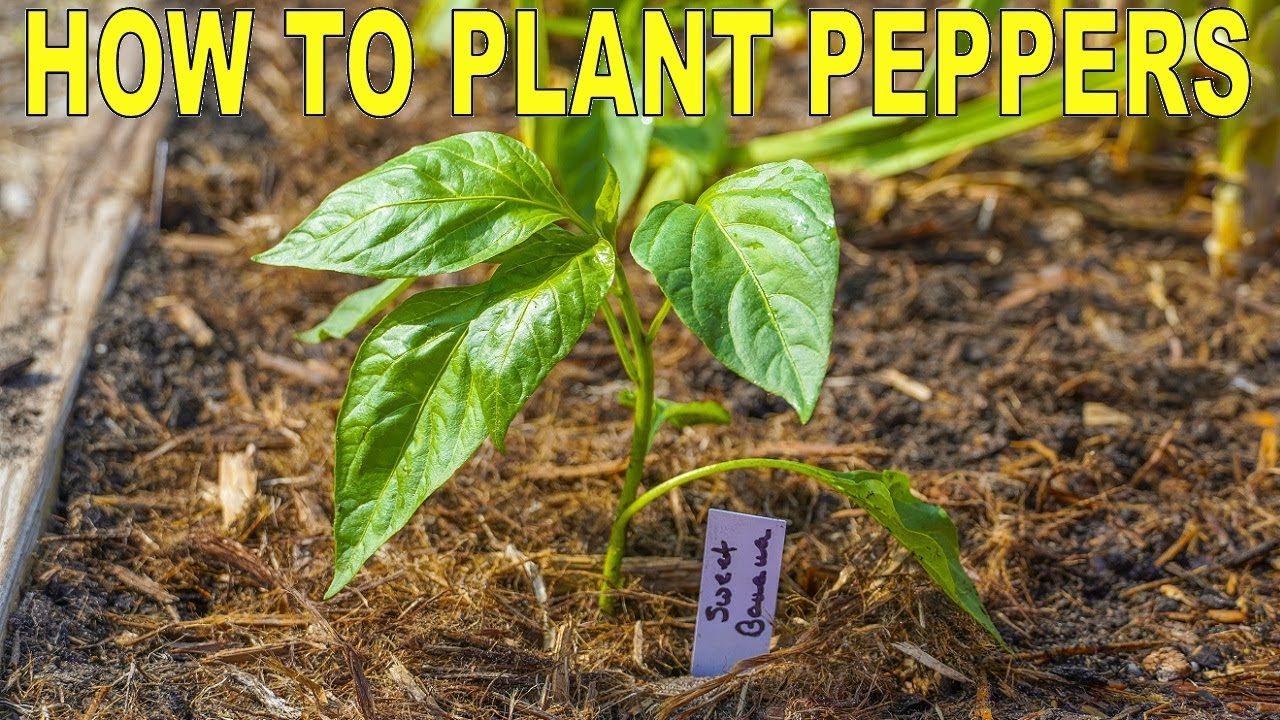
- Depth: Plant seedlings at the same depth they were growing in their pots.
Caring for Pepper Plants
Proper care is essential for healthy pepper plants and a bountiful harvest. Here are some key care tips:
- Watering: Peppers need consistent moisture, especially during flowering and fruiting. Water deeply once or twice a week, depending on rainfall.
- Mulching: Apply a layer of mulch around the plants to retain moisture, suppress weeds, and regulate soil temperature.
- Fertilizing: Use a balanced fertilizer every 4-6 weeks. Avoid high-nitrogen fertilizers, as they can promote leaf growth at the expense of fruit production.
- Pruning: Remove any yellowing leaves or suckers to improve air circulation and focus the plant's energy on fruit production.
Pest and Disease Management
Peppers can be susceptible to pests and diseases. Here are some common issues and how to manage them:
- Aphids: These small insects can be controlled with insecticidal soap or by introducing beneficial insects like ladybugs.
- Blossom End Rot: Caused by calcium deficiency, this can be prevented by maintaining consistent soil moisture and using calcium-rich fertilizers.
- Fungal Diseases: Ensure good air circulation and avoid overhead watering to prevent fungal infections.
Harvesting Peppers
Knowing when and how to harvest peppers is crucial for the best flavor and yield:
- Timing: Peppers can be harvested at any stage, but their flavor and heat intensify as they mature. For sweet peppers, wait until they reach their full color.
- Technique: Use a sharp knife or scissors to cut the peppers from the plant, leaving a small portion of the stem attached to avoid damaging the plant.