Pepper Dulse
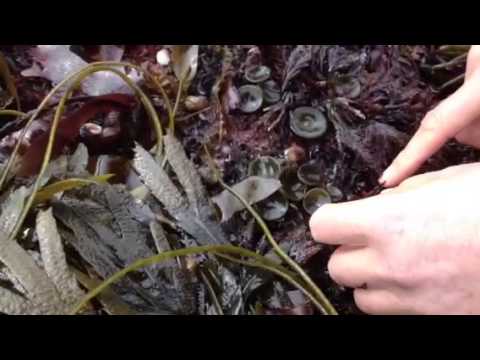
Pepper Dulse, scientifically known as Osmundea pinnatifida, is a type of red seaweed that has garnered attention for its unique flavor and nutritional benefits. This marine plant is found along the rocky shores of the North Atlantic Ocean, particularly in regions such as the British Isles, France, and parts of Scandinavia. Known for its peppery taste, it is often referred to as the "truffle of the sea."
Identification and Habitat
Pepper Dulse is easily recognizable by its distinctive appearance. It has a reddish-brown color and a feathery, branched structure that can grow up to 10 cm in length. The fronds are flat and divided into narrow segments, giving it a delicate and intricate look. This seaweed thrives in the intertidal zone, where it attaches itself to rocks and other hard substrates. It is typically found in areas with strong tidal currents and good water quality, which provide the necessary nutrients for its growth.
Nutritional Profile
One of the most compelling reasons for the growing interest in Pepper Dulse is its impressive nutritional profile. It is rich in vitamins and minerals, including:
- Vitamin C: Essential for immune function and skin health.
- Vitamin A: Important for vision and immune function.
- Iron: Crucial for blood production and oxygen transport.
- Iodine: Necessary for thyroid function.
- Calcium: Important for bone health.
Additionally, Pepper Dulse contains a variety of antioxidants and anti-inflammatory compounds, making it a valuable addition to a healthy diet.
Culinary Uses
Pepper Dulse is celebrated for its unique, peppery flavor, which has been compared to that of truffles. This makes it a sought-after ingredient in gourmet cooking. It can be used in various culinary applications, including:
- Seasoning: Dried and ground Pepper Dulse can be used as a seasoning for soups, stews, and salads.
- Garnish: Fresh fronds can be used as a garnish for seafood dishes, adding both flavor and visual appeal.
- Infusions: It can be infused into oils or vinegars to create flavorful condiments.
- Snacks: Dried Pepper Dulse can be eaten as a healthy snack, similar to kale chips.
Its versatility in the kitchen has made it a favorite among chefs and food enthusiasts looking to add a unique twist to their dishes.
Harvesting and Sustainability
Harvesting Pepper Dulse requires careful attention to sustainability practices to ensure that wild populations are not depleted. It is typically hand-harvested during low tide, when the fronds are exposed and easier to collect. Sustainable harvesting practices include:
- Selective Harvesting: Only taking a portion of the fronds from each plant to allow for regrowth.
- Seasonal Harvesting: Harvesting during specific times of the year to avoid disrupting the reproductive cycle.
- Monitoring: Regularly monitoring the health of wild populations to ensure they are not overexploited.
Some regions have also started cultivating Pepper Dulse in controlled environments to reduce the pressure on wild populations and provide a consistent supply for culinary and commercial use.
Health Benefits
In addition to its nutritional value, Pepper Dulse offers several health benefits:
- Antioxidant Properties: The antioxidants in Pepper Dulse help protect cells from damage caused by free radicals.
- Anti-Inflammatory Effects: Compounds in Pepper Dulse can help reduce inflammation, which is linked to various chronic diseases.
- Digestive Health: The fiber content in Pepper Dulse supports healthy digestion and can help prevent constipation.
- Thyroid Support: The iodine in Pepper Dulse is essential for the production of thyroid hormones, which regulate metabolism.