Chalazion
Return to Eye/Vision Menu

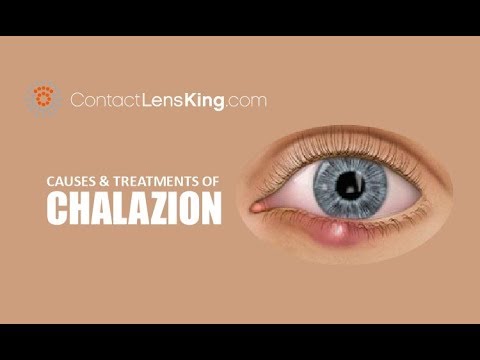
Chalazion - How Bad Are Eye Cysts

A blocked oil gland without infection.
A chalazion is a common eyelid condition that can cause discomfort and concern for those affected. It is important to understand what a chalazion is, how it develops, and the available treatment options. This note provides a detailed overview of chalazion, including its causes, symptoms, diagnosis, and management strategies.
What is a Chalazion?
A chalazion is a small, usually painless lump or swelling that appears on the eyelid. It occurs when a meibomian gland, which is responsible for producing the oily layer of the tear film, becomes blocked. This blockage leads to the accumulation of glandular secretions, resulting in inflammation and the formation of a lump. Unlike a stye, which is an infection of the eyelid gland, a chalazion is typically not caused by bacteria and is not infectious.
Causes of Chalazion
The primary cause of a chalazion is the blockage of a meibomian gland. Several factors can contribute to this blockage, including:
- Poor eyelid hygiene: Inadequate cleaning of the eyelids can lead to the accumulation of debris and oils, increasing the risk of gland blockage.
- Chronic blepharitis: This condition involves inflammation of the eyelid margins and can predispose individuals to chalazion formation.
- Skin conditions: Conditions such as rosacea and seborrheic dermatitis can affect the eyelids and contribute to gland blockage.
- Hormonal changes: Hormonal fluctuations can influence the production and consistency of glandular secretions, potentially leading to blockages.
Symptoms of Chalazion
Chalazions are characterized by several distinct symptoms, which may include:
- A lump on the eyelid: The most noticeable symptom is a small, firm lump on the upper or lower eyelid.
- Swelling: The affected eyelid may become swollen and tender to the touch.
- Redness: The skin over the chalazion may appear red and inflamed.
- Blurred vision: In some cases, a large chalazion can press against the eyeball, causing temporary blurred vision.
- Discomfort: While chalazions are generally painless, they can cause mild discomfort or a feeling of heaviness in the eyelid.
Diagnosis of Chalazion
Diagnosing a chalazion typically involves a clinical examination by an eye care professional. The healthcare provider will assess the eyelid and the characteristics of the lump to differentiate it from other eyelid conditions, such as a stye or eyelid tumor. In most cases, additional tests are not necessary, but if the chalazion is persistent or atypical, further evaluation may be required.
Treatment Options for Chalazion
The management of a chalazion depends on its size, duration, and the severity of symptoms. Treatment options include:
- Conservative Management:
* Warm compresses: Applying a warm compress to the affected eyelid several times a day can help soften the hardened oils and promote drainage.
* Eyelid hygiene: Maintaining good eyelid hygiene by gently cleaning the eyelid margins with a mild cleanser can prevent further blockages.
* Massage: Gently massaging the eyelid can aid in the drainage of the blocked gland.
- Medical Treatment:
* Topical antibiotics: Although chalazions are not typically caused by infection, topical antibiotics may be prescribed if there is a risk of secondary infection.
* Steroid injections: In some cases, a corticosteroid injection into the chalazion can reduce inflammation and promote resolution.
- Surgical Intervention:
* Incision and curettage: For large or persistent chalazions that do not respond to conservative treatment, a minor surgical procedure may be necessary. This involves making a small incision in the eyelid and removing the contents of the chalazion.
Prevention of Chalazion
Preventing chalazion formation involves adopting good eyelid hygiene practices and addressing underlying conditions. Some preventive measures include:
- Regular eyelid cleaning: Clean the eyelids daily with a gentle cleanser to remove debris and excess oils.
- Manage underlying conditions: Treat conditions such as blepharitis, rosacea, and seborrheic dermatitis to reduce the risk of gland blockage.
- Avoid touching the eyes: Refrain from rubbing or touching the eyes with unclean hands to prevent introducing bacteria or debris.
When to Seek Medical Attention
While most chalazions resolve on their own with conservative treatment, it is important to seek medical attention if:
- The chalazion is large, painful, or persistent.
- There is significant swelling or redness that does not improve with home care.
- Vision is affected or there is a noticeable change in the appearance of the eyelid.
Ocular demodicidosis as a risk factor of adult recurrent chalazion