Rice, Growing
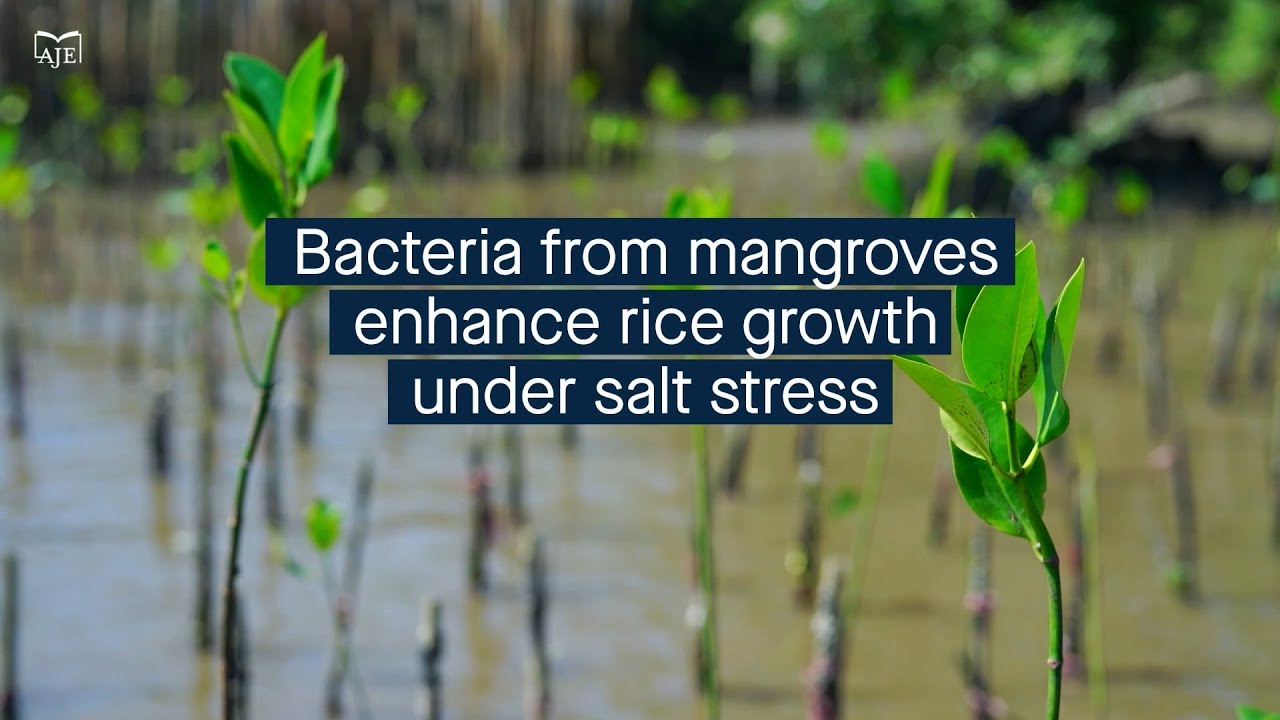
Bacteria from mangroves improve salt tolerance and growth in rice under salt stress
Rice is a staple food for more than half of the world's population, making its cultivation a critical agricultural practice. Growing rice involves a series of well-coordinated steps, from selecting the right variety to harvesting the mature grains.
Selecting the Right Variety
Choosing the appropriate rice variety is the first and most crucial step in rice cultivation. Factors to consider include:
- Climate Compatibility: Different rice varieties thrive in different climates. For instance, tropical varieties may not perform well in temperate regions.
- Soil Type: Some rice varieties are better suited to specific soil types, such as clayey or sandy soils.
- Water Availability: Varieties differ in their water requirements. Some are drought-resistant, while others need consistent flooding.
- Disease Resistance: Opt for varieties that are resistant to common rice diseases in your area.
Preparing the Land
Proper land preparation is vital for a successful rice crop. The steps include:
- Clearing the Field: Remove any weeds, debris, and previous crop residues.
- Tilling the Soil: Plow the field to a depth of about 15-20 cm to loosen the soil.
- Leveling: Ensure the field is level to facilitate uniform water distribution.
- Puddling: In flooded rice systems, puddling (mixing soil and water to create a muddy consistency) helps in weed control and root establishment.
Sowing the Seeds
There are two primary methods for sowing rice seeds:
- Direct Seeding: Seeds are sown directly into the field. This method is less labor-intensive but may require more weed management.
- Transplanting: Seedlings are first grown in a nursery and then transplanted into the field. This method allows for better weed control and more uniform plant spacing.
Direct Seeding
- Dry Seeding: Seeds are sown into dry soil and then irrigated.
- Wet Seeding: Seeds are sown into puddled soil.
Transplanting
- Nursery Preparation: Prepare a nursery bed and sow seeds densely.
- Seedling Care: Maintain the nursery bed by providing adequate water and nutrients.
- Transplanting: Transplant seedlings to the main field when they are about 20-25 days old.
Water Management
Water management is crucial for rice cultivation, as rice is a semi-aquatic plant. The key practices include:
- Flooding: Maintain a consistent water level of about 5-10 cm during the growing season.
- Drainage: Drain the field 10-15 days before harvesting to allow the grains to mature and dry.
- Irrigation: In areas with limited water, use efficient irrigation methods like Alternate Wetting and Drying (AWD) to conserve water.
Nutrient Management
Proper nutrient management ensures healthy plant growth and high yields. The essential nutrients for rice include:
- Nitrogen (N): Promotes vegetative growth. Apply in split doses at different growth stages.
- Phosphorus (P): Essential for root development. Apply as a basal dose during land preparation.
- Potassium (K): Enhances disease resistance and grain filling. Apply in split doses.
Pest and Disease Management
Effective pest and disease management is crucial for a healthy rice crop. Common pests and diseases include:
- Pests: Rice stem borers, leafhoppers, and planthoppers.
- Diseases: Rice blast, bacterial leaf blight, and sheath blight.
Integrated Pest Management (IPM)
- Cultural Practices: Crop rotation, proper spacing, and timely planting.
- Biological Control: Use of natural predators and biopesticides.
- Chemical Control: Judicious use of pesticides when necessary.
Harvesting
Harvesting at the right time ensures maximum yield and quality. Key steps include:
- Timing: Harvest when 80-85% of the grains are mature and golden yellow.
- Methods: Use manual or mechanical methods for harvesting.
- Post-Harvest Handling: Threshing, drying, and storage to prevent grain loss and maintain quality.