Transmission is through direct person to person contact, airborne droplet infection or through contact with infected articles such as clothing and bedding
Incubation period
10-21 days
History
Most commonly seen in children under 10 years, but can affect any age
May initially begin with cold-like symptoms followed by a high temperature
Morphology
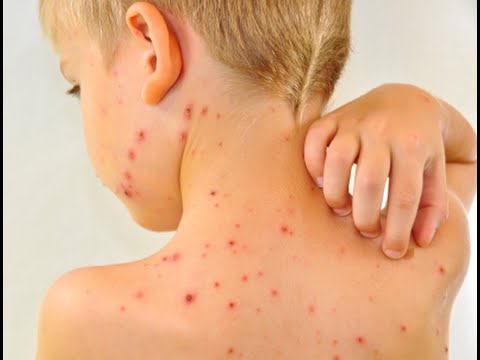
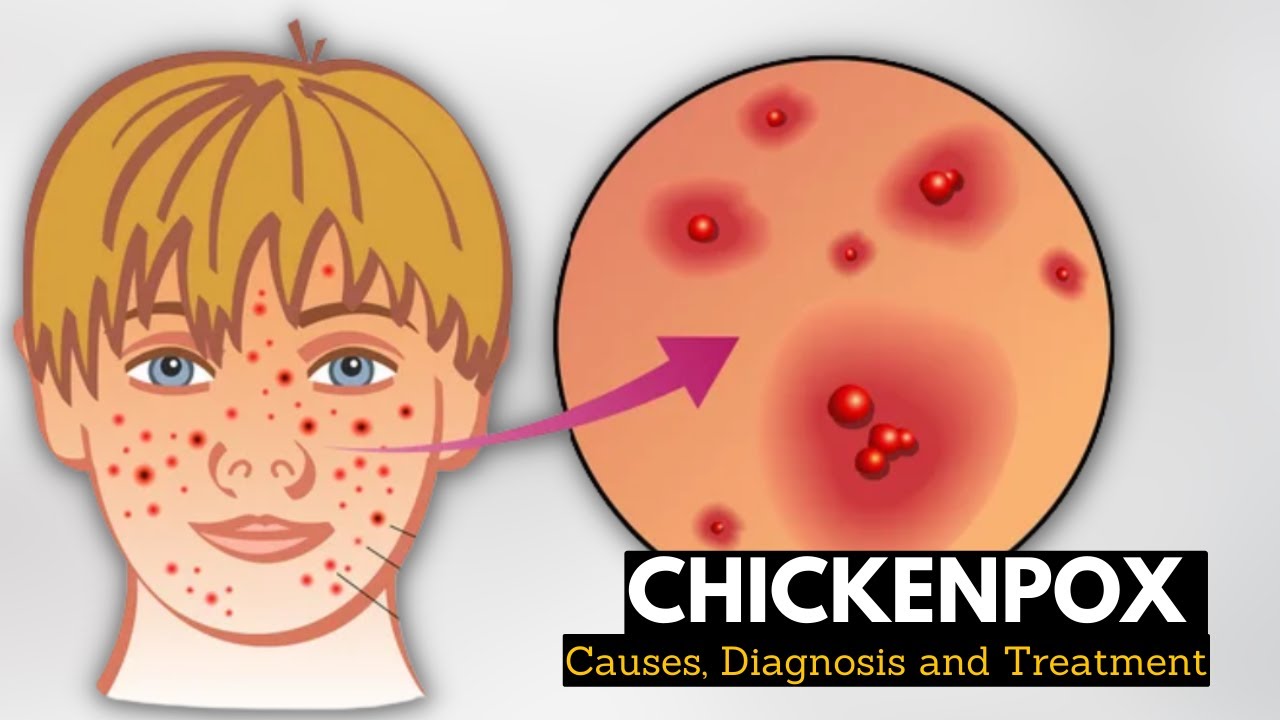
Crops of red flat macules which become raised then blister and crust
Lesions at different stages
Lasts 4-10 days
Distribution
Mostly over the trunk and more sparsely over the limbs, although any body site can be affected
Infectivity
Chickenpox is highly contagious, infecting up to 90% of people who come into contact with the disease
The most infectious period is from 1 to 2 days before the rash appears but infectivity continues until all the lesions have crusted over (commonly about 5 to 6 days after onset of illness)
Complications
Chickenpox is usually a mild illness and most healthy children recover with no complications
Certain groups of people, however, such as neonates (infants within the first four weeks of life), adults, pregnant women and those who are immunocompromised due to illness or treatments such as chemotherapy or high-dose steroids, may experience more serious complications. These include viral pneumonia, secondary bacterial infections and encephalitis
Pregnancy:
Varicella infection in pregnant women can cause severe chickenpox with increased risks for the mother from varicella pneumonia and other complications
It also carries the risk of the congenital varicella syndrome for the fetus. The congenital varicella syndrome can cause a range of problems including shortened limbs, skin scarring, cataracts and growth retardation - the risk of this occurring within the first 20 weeks of pregnancy has been estimated to be less than 1% in the first 12 weeks and around 2% between 13 and 20 weeks of pregnancy. Occasional cases of fetal damage following maternal varicella infection between 20 to 28 weeks gestation have been reported but the risk is likely to be substantially lower
Infection with varicella in the later stages of pregnancy can cause premature delivery or neonatal chickenpox infection. This is particularly serious if the mother becomes infected 7 days before birth