Palinopsia
The persistent recurrence of a visual image after the stimulus has been removed
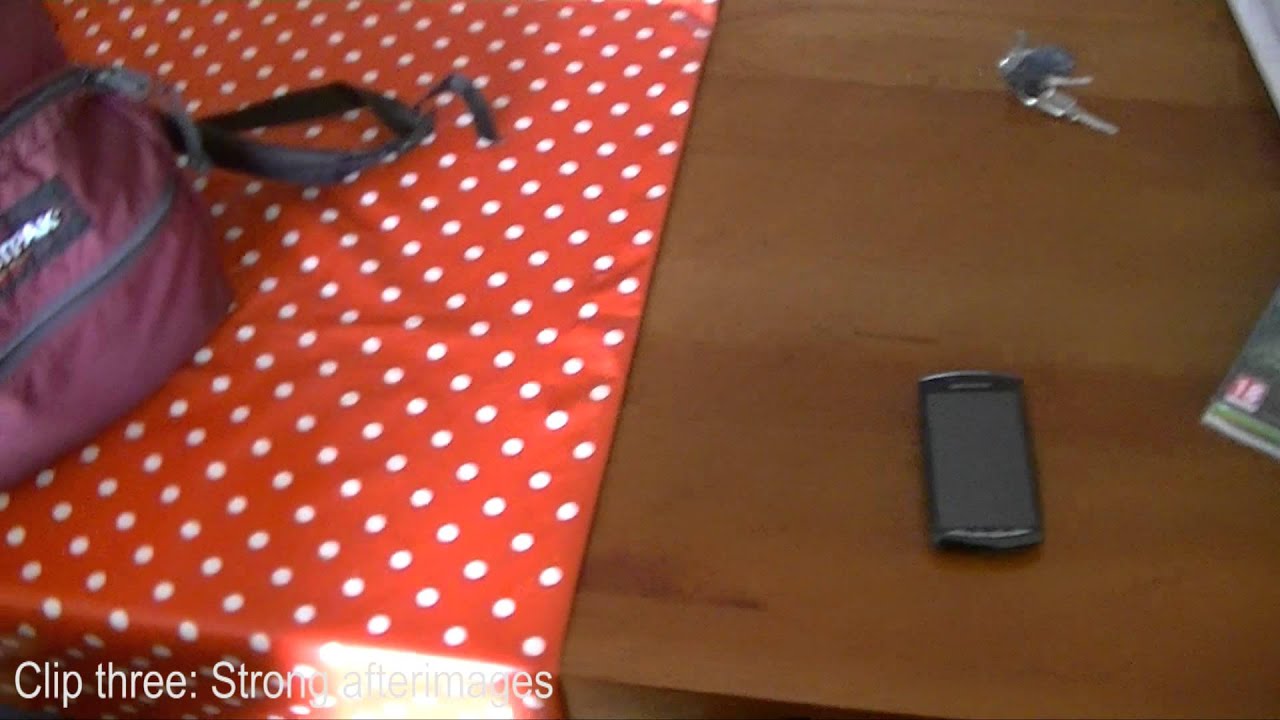
A video about how after images/palinopsia looks like.

Palinopsia -- After image vision problem HELPED by Dr Suh Specific Chiropractic
Palinopsia resolved with microprism application.
Palinopsia is a complex visual phenomenon characterized by the persistence or recurrence of visual images after the original stimulus has been removed. This condition can manifest in various forms and is often associated with neurological disorders or brain injuries.
Types of Palinopsia
Palinopsia can be broadly categorized into two types: illusory palinopsia and hallucinatory palinopsia. Each type has distinct characteristics and underlying mechanisms.
Illusory Palinopsia
Illusory palinopsia is characterized by the persistence of visual images that are typically short-lived and occur in the same location as the original stimulus. This type is often associated with changes in visual perception, such as:
- Afterimages: These are common and occur when a visual image persists after the stimulus is removed, similar to the afterimage seen after looking at a bright light.
- Visual Trails: This occurs when moving objects leave a trail behind them, creating a strobe-like effect.
Illusory palinopsia is usually linked to changes in the visual processing pathways and is often temporary.
Hallucinatory Palinopsia
Hallucinatory palinopsia involves the recurrence of complex visual images that are vivid and can appear in different locations from the original stimulus. These images can be detailed and may last for extended periods. Hallucinatory palinopsia is often associated with more significant neurological issues and can be a symptom of:
- Seizure Disorders: Such as epilepsy, where abnormal electrical activity in the brain can lead to visual hallucinations.
- Brain Lesions: Tumors or other structural abnormalities in the brain can disrupt normal visual processing.
Causes of Palinopsia
The causes of palinopsia are varied and can be linked to several underlying conditions. Some of the common causes include:
- Neurological Disorders: Conditions like epilepsy, migraines, and stroke can lead to palinopsia due to disruptions in normal brain function.
- Brain Injuries: Traumatic brain injuries or surgeries that affect the visual processing areas of the brain can result in palinopsia.
- Medication Side Effects: Certain medications, particularly those affecting the central nervous system, can cause visual disturbances, including palinopsia.
- Metabolic Disorders: Conditions that affect the body's metabolism, such as hypoglycemia, can lead to visual symptoms.
Symptoms of Palinopsia
The symptoms of palinopsia can vary widely depending on the type and underlying cause. Common symptoms include:
- Persistent Afterimages: Seeing images that linger after the original object is no longer in view.
- Visual Trails: Observing trails following moving objects.
- Recurrent Visual Hallucinations: Experiencing vivid and detailed images that reappear without the original stimulus.
- Distorted Vision: Changes in visual perception, such as blurring or shimmering.
These symptoms can be distressing and may impact daily activities, depending on their severity and frequency.
Diagnosis and Treatment
Diagnosing palinopsia involves a comprehensive evaluation by a healthcare professional, often including:
- Medical History: Reviewing the patient's medical history and any medications they are taking.
- Neurological Examination: Assessing neurological function to identify any underlying disorders.
- Imaging Studies: Using MRI or CT scans to detect any structural abnormalities in the brain.
Treatment for palinopsia focuses on addressing the underlying cause. Some potential treatment options include:
- Medication Adjustments: Changing or discontinuing medications that may be contributing to the symptoms.
- Treating Underlying Conditions: Managing conditions like epilepsy or migraines to reduce visual disturbances.
- Vision Therapy: In some cases, vision therapy may help improve visual processing and reduce symptoms.