Apache Plant
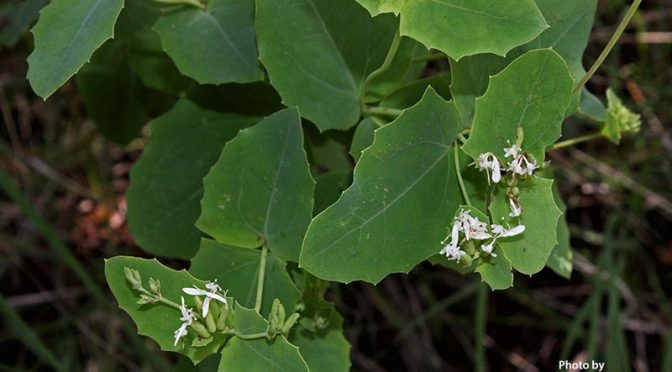
Ranchers used to boil stems and leaves and pour it over the holes left by maggots infecting cattle with screw worm.
The Apache Plant, scientifically known as Guardiola platyphylla, is a fascinating species native to the southwestern United States and northern Mexico. This perennial herb belongs to the Asteraceae family, which is renowned for its diverse and ecologically significant members. The plant is named after the Apache tribe, reflecting its historical and cultural significance in the regions where it naturally occurs.
Botanical Description
Guardiola platyphylla is characterized by its robust and bushy growth habit. The plant typically reaches heights of 1 to 3 feet, making it a medium-sized herb. Its leaves are broad, hence the name "platyphylla," which means "broad-leaved." The leaves are arranged oppositely on the stem and have a distinctive lanceolate shape with serrated edges. They are dark green and have a slightly glossy texture, contributing to the plant's overall aesthetic appeal.
The flowers of the Apache Plant are small but numerous, forming dense clusters at the ends of the stems. Each flower head is composed of tiny, tubular florets that are usually white or pale yellow. These florets are surrounded by bracts, which are modified leaves that protect the flower head. The blooming period typically occurs from late spring to early summer, during which the plant becomes a magnet for various pollinators, including bees and butterflies.
Habitat and Distribution
The natural habitat of Guardiola platyphylla includes arid and semi-arid regions, particularly in the southwestern United States, such as Arizona, New Mexico, and Texas, as well as parts of northern Mexico. The plant thrives in well-drained soils and is often found in rocky or sandy environments. It is well-adapted to the harsh conditions of its native range, including high temperatures and low water availability.
Ecological Importance
The Apache Plant plays a crucial role in its ecosystem. As a native species, it provides essential resources for local wildlife. The flowers attract a variety of pollinators, which are vital for the reproduction of many plant species. Additionally, the plant serves as a food source for herbivorous insects and other animals. Its presence helps to maintain the biodiversity and stability of the ecosystems in which it occurs.
Cultural Significance
The name "Apache Plant" reflects the cultural heritage of the indigenous Apache people, who have historically inhabited the regions where Guardiola platyphylla is found. The plant may have been used by the Apache and other Native American tribes for medicinal or ceremonial purposes, although specific uses are not well-documented. The connection to the Apache tribe highlights the importance of preserving both the natural and cultural heritage of these regions.
Conservation Status
Currently, Guardiola platyphylla is not listed as a threatened or endangered species. However, like many native plants, it faces potential threats from habitat loss, invasive species, and climate change. Conservation efforts aimed at protecting native habitats and promoting biodiversity are essential to ensure the long-term survival of this and other native species.
Cultivation and Uses
While Guardiola platyphylla is not commonly cultivated, it can be grown in gardens that mimic its natural habitat. Gardeners interested in xeriscaping, which involves landscaping with drought-tolerant plants, may find the Apache Plant to be a valuable addition. It requires minimal water once established and can thrive in poor, well-drained soils. The plant's attractive foliage and flowers make it an appealing choice for ornamental purposes.
Potential Antimicrobial Activity of Plants from the Southwestern United States