MSA - Multiple System Atrophy
See Shy-Drager Syndrome and Neurodegeneration / Neurodegenerative and Beneficial for Neurodegeneration , Olivopontocerebellar atrophy
Videos
What is Multiple System Atrophy?

Edwin B George, AAN 2018 – Multiple system atrophy (MSA) diagnosis
MULTIPLE SYSTEM ATROPHY (MSA) STEM CELL SUCCESS: DISCOVER THE 7-REVOLUTIONARY BREAKTHROUGHS
APPROACH TO THE EVALUATION OF MSA (MULTIPLE SYSTEM ATROPHY) - Brad Hiner, MD
How do you distinguish Parkinson's disease from multiple system atrophy?
Multiple System Atrophy Treatments | Dr Laurice Yang | 2018 MSA Coalition Patient Family Conference
Sophie's Search for a Cure – Multiple System Atrophy
Protein mystery of three brain diseases unraveled
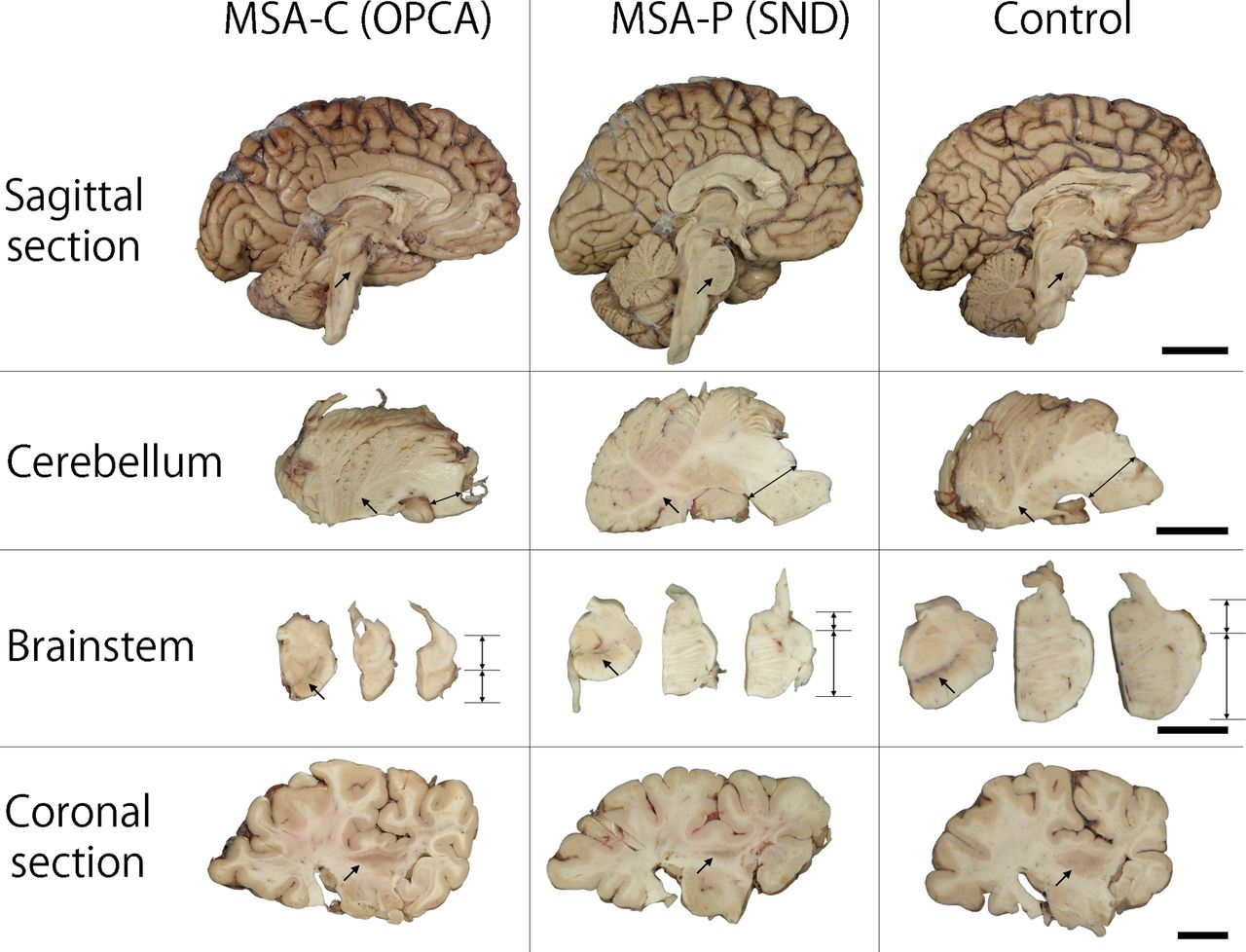
Multiple System Atrophy (MSA) is a rare, progressive neurodegenerative disorder that affects the autonomic nervous system and movement. It is characterized by a combination of symptoms that can resemble other neurodegenerative diseases, making diagnosis challenging.
Symptoms
MSA manifests through a variety of symptoms, which can be broadly categorized into autonomic dysfunction, parkinsonism, and cerebellar ataxia. The symptoms can vary significantly from person to person, and they often worsen over time.
Autonomic Dysfunction
- Orthostatic Hypotension: A significant drop in blood pressure upon standing, leading to dizziness or fainting.
- Urinary Problems: Difficulty in controlling bladder function, frequent urination, or urinary incontinence.
- Bowel Issues: Constipation or difficulty in controlling bowel movements.
- Sexual Dysfunction: Erectile dysfunction in men and reduced sexual arousal in women.
- Sweating Abnormalities: Either excessive sweating or reduced ability to sweat.
Parkinsonism
- Bradykinesia: Slowness of movement.
- Rigidity: Stiffness in the muscles.
- Tremors: Although less common in MSA compared to Parkinson's disease.
- Postural Instability: Difficulty in maintaining balance.
Cerebellar Ataxia
- Gait Ataxia: Unsteady, staggering walk.
- Dysarthria: Slurred or slow speech.
- Nystagmus: Rapid, involuntary eye movements.
- Coordination Problems: Difficulty with tasks requiring fine motor skills.
Causes
The exact cause of MSA is unknown, but it is believed to involve the accumulation of a protein called alpha-synuclein in the brain. This protein forms abnormal clumps that disrupt normal brain function. Unlike some other neurodegenerative diseases, MSA does not appear to be inherited, and no specific genetic mutations have been linked to the disorder.
Diagnosis
Diagnosing MSA can be particularly challenging due to its symptom overlap with other conditions like Parkinson's disease and pure autonomic failure. A thorough clinical evaluation is essential, often involving:
- Medical History and Physical Examination: Detailed assessment of symptoms and their progression.
- Neurological Examination: Tests to evaluate motor skills, balance, coordination, and autonomic functions.
- Imaging Studies: MRI scans can help identify brain changes typical of MSA, such as atrophy in specific brain regions.
- Autonomic Testing: Evaluations of blood pressure regulation, heart rate variability, and other autonomic functions.
- Laboratory Tests: Blood tests to rule out other conditions that might mimic MSA symptoms.
Treatment
Currently, there is no cure for MSA, and treatment focuses on managing symptoms and improving quality of life. A multidisciplinary approach is often required, involving neurologists, cardiologists, urologists, and physical therapists.
Medications
- Levodopa: Used to manage parkinsonian symptoms, although its effectiveness is often limited in MSA.
- Fludrocortisone and Midodrine: Medications to treat orthostatic hypotension.
- Botulinum Toxin Injections: For managing urinary incontinence.
- Antidepressants: To address mood disorders that may accompany MSA.
Non-Pharmacological Interventions
- Physical Therapy: To improve mobility, balance, and coordination.
- Occupational Therapy: To assist with daily activities and enhance independence.
- Speech Therapy: To address speech and swallowing difficulties.
- Dietary Modifications: High-salt diets and increased fluid intake to manage blood pressure issues.
Supportive Care
- Assistive Devices: Use of canes, walkers, or wheelchairs to aid mobility.
- Lifestyle Adjustments: Elevating the head of the bed, wearing compression stockings, and avoiding sudden position changes to manage orthostatic hypotension.
- Counseling and Support Groups: Emotional and psychological support for patients and caregivers.
Prognosis
MSA is a progressive disorder, and the rate of progression can vary. Most individuals with MSA experience a decline in function over several years, leading to significant disability. The average life expectancy after diagnosis is approximately 6 to 10 years, although this can vary widely.