Electrodermal Screening
Electrodermal Screening (EDS) is a diagnostic method that has gained attention in both alternative and complementary medicine. It involves measuring the electrical conductance of the skin, which is believed to reflect the body's physiological and pathological states. This technique is often used to assess the body's energy balance and to identify potential health issues. While EDS is not widely accepted in conventional medicine, it has a dedicated following among practitioners of holistic health.
Historical Background
The origins of Electrodermal Screening can be traced back to the early 20th century. It was initially developed by Dr. Reinhold Voll, a German physician, in the 1950s. Dr. Voll's work was based on the principles of acupuncture and the belief that the body's energy meridians could be measured electrically. He introduced the concept of Electroacupuncture according to Voll (EAV), which laid the foundation for modern EDS devices.
How Electrodermal Screening Works
EDS devices measure the electrical conductance of the skin at specific acupuncture points. The process involves the following steps:
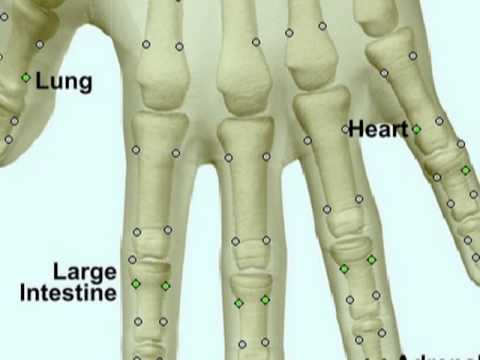
- Preparation: The patient is usually seated comfortably, and electrodes are attached to specific points on the skin. These points are often located on the hands and feet, corresponding to acupuncture meridians.
- Measurement: A small electrical current is passed through the electrodes. The device measures the skin's conductance, which is the ability to conduct electricity. This measurement is believed to reflect the energy flow in the body's meridians.
- Analysis: The data collected is analyzed to identify imbalances or blockages in the energy flow. Practitioners interpret these results to assess the patient's health and to recommend treatments.
Applications of Electrodermal Screening
EDS is used for a variety of purposes in alternative medicine. Some of the common applications include:
- Allergy Testing: Practitioners use EDS to identify potential allergens by measuring the body's response to various substances.
- Nutritional Assessment: EDS can help determine nutritional deficiencies or imbalances by analyzing the body's energy patterns.
- Detoxification: The technique is used to assess the body's need for detoxification and to monitor the effectiveness of detox programs.
- Chronic Disease Management: EDS is sometimes used to manage chronic conditions by identifying underlying energy imbalances.
Controversies and Criticisms
Despite its popularity in alternative medicine, Electrodermal Screening is not without controversy. Some of the criticisms include:
- Lack of Scientific Evidence: Critics argue that there is insufficient scientific evidence to support the efficacy of EDS. Many studies have failed to demonstrate a clear correlation between EDS measurements and actual health conditions.
- Standardization Issues: There is a lack of standardization in EDS devices and procedures, leading to variability in results. This makes it difficult to compare findings across different practitioners and devices.
- Placebo Effect: Some skeptics suggest that the benefits of EDS may be attributed to the placebo effect rather than any physiological changes.
- Regulatory Concerns: In some countries, EDS devices are not regulated as medical devices, raising concerns about their safety and reliability.
Current Research and Developments
Research on Electrodermal Screening is ongoing, with some studies exploring its potential applications and mechanisms. Recent developments include:
- Technological Advancements: Newer EDS devices incorporate advanced technology, such as computer algorithms and software, to improve accuracy and analysis.
- Integration with Other Modalities: Some practitioners are combining EDS with other diagnostic methods, such as biofeedback and thermography, to enhance diagnostic accuracy.
- Clinical Trials: A limited number of clinical trials are being conducted to evaluate the effectiveness of EDS in specific health conditions, such as allergies and chronic pain.