Fall Glade Onion
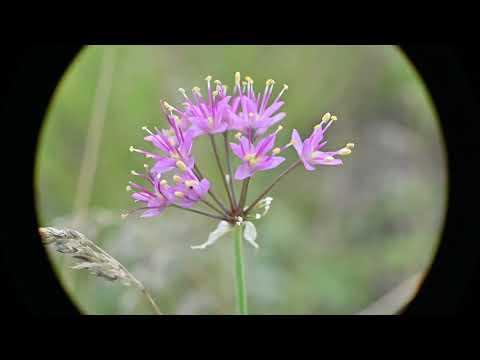
The Fall Glade Onion, scientifically known as Allium stellatum, is a perennial plant belonging to the Amaryllidaceae family. This species is native to North America, particularly thriving in the central United States and parts of Canada. It is commonly found in prairies, glades, and rocky outcrops, where it adds a splash of color to the landscape during its blooming season.
Botanical Characteristics
Appearance
Allium stellatum is characterized by its slender, erect stems that can reach heights of 12 to 24 inches. The plant's leaves are narrow, grass-like, and typically grow from the base. These leaves are often about 6 to 12 inches long and have a bluish-green hue.
Flowers
The most striking feature of the Fall Glade Onion is its star-shaped flowers, which bloom in late summer to early fall. The flowers are usually pink to lavender, though white variations can also be found. They are arranged in a spherical umbel, a cluster of flowers that radiate from a single point, resembling a globe. Each flower has six tepals (petals and sepals that are similar in appearance), which contribute to its star-like appearance.
Bulbs
The plant grows from small, underground bulbs that are typically 1 to 2 centimeters in diameter. These bulbs are covered with a papery tunic and are the primary means of reproduction for the plant.
Habitat and Distribution
Allium stellatum is well-adapted to a variety of soil types, including sandy, loamy, and rocky soils. It prefers well-drained conditions and is often found in open, sunny locations. The plant is drought-tolerant and can thrive in areas with minimal water, making it a resilient species in its native habitats.
Geographic Range
The Fall Glade Onion is predominantly found in the central United States, from Minnesota and Wisconsin in the north, down to Texas and Arkansas in the south. It also extends into parts of Canada, particularly in Manitoba and Ontario.
Ecological Importance
Pollinators
The flowers of Allium stellatum are a valuable nectar source for a variety of pollinators, including bees, butterflies, and other insects. This makes the plant an important component of the ecosystem, supporting biodiversity and the health of pollinator populations.
Soil Stabilization
The deep-rooted nature of the Fall Glade Onion helps in soil stabilization, particularly in rocky and sandy environments. This can prevent soil erosion and contribute to the overall health of the habitat.
Cultivation and Uses
Garden Cultivation
Due to its attractive flowers and hardiness, Allium stellatum is a popular choice for native plant gardens and wildflower meadows. It can be grown from bulbs or seeds and requires minimal maintenance once established. The plant prefers full sun but can tolerate partial shade.
Edibility
Like other members of the Allium genus, the Fall Glade Onion is edible. The bulbs, leaves, and flowers can be used in cooking, offering a mild onion flavor. However, it is essential to ensure proper identification before consumption, as some wild plants can be toxic.
INTERESTING FACTS
- The name stellatum is derived from the Latin word for "star," referring to the star-like shape of its flowers.
- The Fall Glade Onion is sometimes called the "Prairie Onion" due to its prevalence in prairie habitats.
- It is one of the few Allium species that bloom in the fall, providing late-season color and nectar.