Nyctalopia (Nightblindness)
Return to Eye/Vision Menu
A condition making it difficult or impossible to see in relatively low light. It is a symptom of several eye diseases
Congenital Stationary Night Blindness:
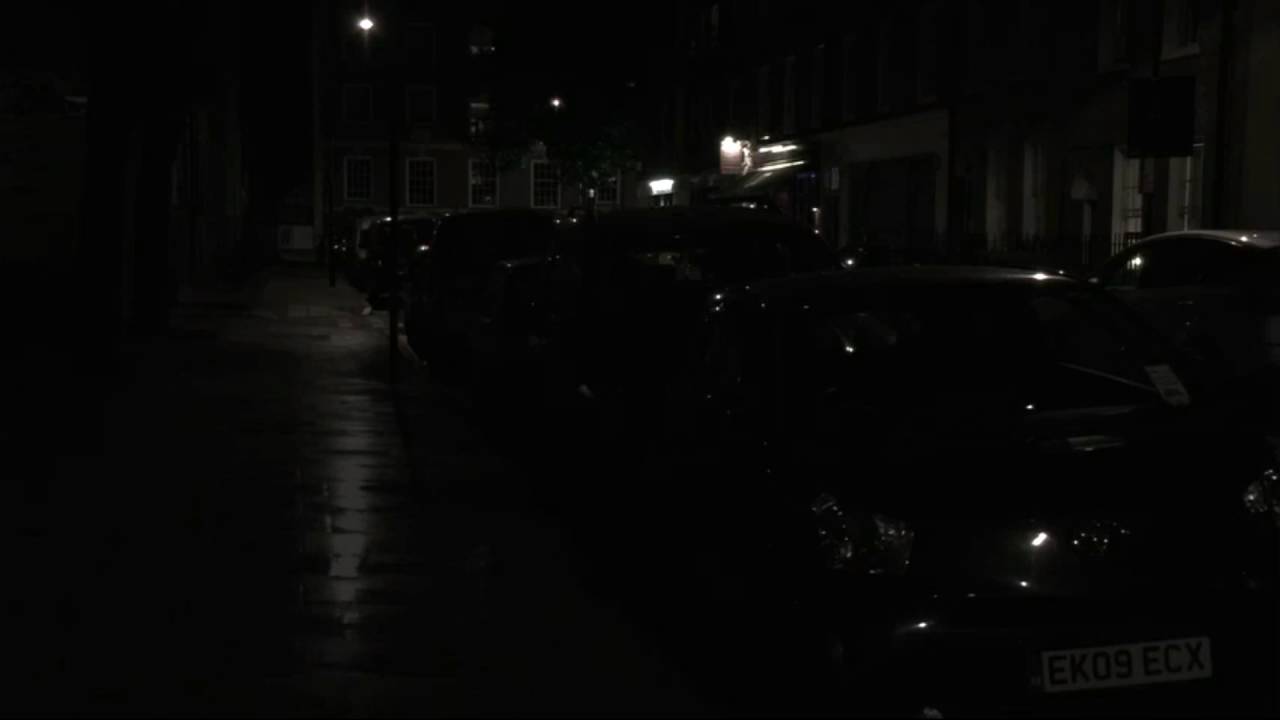
Nyctalopia, commonly known as night blindness, is a condition that affects an individual's ability to see in low-light or dark environments. Despite its name, night blindness does not mean a person is completely unable to see at night. Instead, it refers to a reduced ability to see in dim lighting, which can significantly impact daily activities, especially those that occur in the evening or at night.
Causes of Nyctalopia
Nyctalopia can be caused by a variety of factors, ranging from genetic conditions to lifestyle choices. Some of the most common causes include:
- Retinitis Pigmentosa: This is a genetic disorder that affects the retina's ability to respond to light. It is one of the most common causes of night blindness and can lead to a gradual loss of vision over time.
- Vitamin A Deficiency: Vitamin A is crucial for maintaining healthy vision. A deficiency in this vitamin can lead to night blindness, as it is essential for the production of rhodopsin, a pigment in the retina that helps the eyes adapt to low-light conditions.
- Cataracts: These are clouding of the eye's lens, which can scatter light and reduce the amount of light reaching the retina, leading to difficulties seeing in low-light conditions.
- Glaucoma: This group of eye conditions damages the optic nerve, often due to high eye pressure, and can impair night vision.
- Diabetes: Diabetic retinopathy, a complication of diabetes, can damage the blood vessels in the retina, affecting vision in low-light conditions.
- Medications: Certain medications, such as those used to treat glaucoma, can cause side effects that include night blindness.
Symptoms of Nyctalopia
The primary symptom of nyctalopia is difficulty seeing in low-light conditions. However, individuals may experience other symptoms, including:
- Difficulty driving at night
- Trouble adjusting from bright to dimly lit environments
- Poor depth perception in low light
- Frequent tripping or bumping into objects in dimly lit areas
Diagnosis of Nyctalopia
Diagnosing nyctalopia typically involves a comprehensive eye examination by an ophthalmologist or optometrist. The examination may include:
- Visual Acuity Test: This test measures how well you can see at various distances.
- Retinal Examination: Using special instruments, the doctor examines the retina for any signs of damage or disease.
- Slit-Lamp Examination: This test allows the doctor to examine the structures at the front of the eye under high magnification.
- Electroretinography: This test measures the electrical responses of the retina's light-sensitive cells to assess their function.
Treatment Options
The treatment for nyctalopia depends on its underlying cause. Some common treatment options include:
- Vitamin A Supplements: For those with a vitamin A deficiency, supplements can help restore night vision.
- Cataract Surgery: Removing cataracts can improve vision in low-light conditions.
- Glaucoma Treatment: Managing glaucoma with medications or surgery can help preserve vision.
- Diabetes Management: Controlling blood sugar levels can prevent further damage to the retina and improve vision.
In cases where nyctalopia is caused by a genetic condition like retinitis pigmentosa, there may be no cure, but certain interventions can help manage symptoms and slow progression.
Lifestyle and Home Remedies
While medical treatment is essential, certain lifestyle changes and home remedies can help manage nyctalopia:
- Use Adequate Lighting: Ensure that your home and work environments are well-lit to reduce the strain on your eyes.
- Wear Sunglasses: Protect your eyes from bright sunlight, which can help improve your ability to adjust to low-light conditions.
- Healthy Diet: Consume a diet rich in vitamin A, including foods like carrots, sweet potatoes, and leafy greens.
- Regular Eye Check-Ups: Regular visits to an eye care professional can help monitor your condition and adjust treatments as necessary.
Coping with Nyctalopia
Living with nyctalopia can be challenging, but there are strategies to help cope with the condition:
- Assistive Devices: Use tools like night vision goggles or low-vision aids to enhance your ability to see in the dark.
- Plan Ahead: Avoid driving at night if possible, and plan activities during daylight hours.
- Seek Support: Join support groups or seek counseling to connect with others who have similar experiences and share coping strategies.