Black Lapacho
Constituents
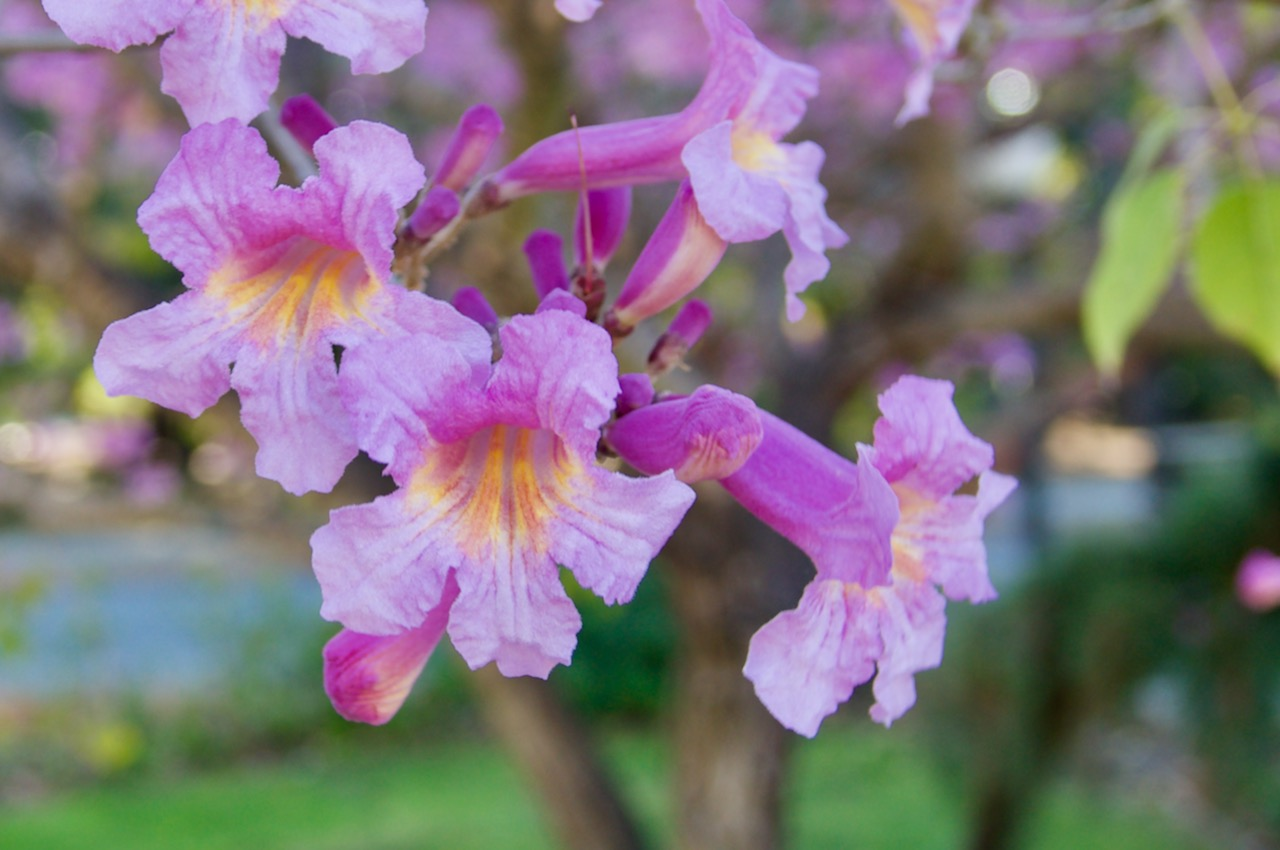
Handroanthus heptaphyllus, commonly known as the Black Lapacho or the Rosy Trumpet Tree, is a species of flowering tree native to South America. This magnificent tree belongs to the Bignoniaceae family and is renowned for its stunning display of vibrant pink trumpet-shaped flowers that adorn its branches. Let's delve deeper into the fascinating characteristics and significance of the Handroanthus heptaphyllus.
Appearance and Characteristics
The Handroanthus heptaphyllus is a deciduous tree that can reach heights of up to 30 meters, making it an impressive sight in its natural habitat. Its crown is broad and rounded, providing ample shade beneath its branches. The tree's bark is smooth and grayish-brown when young, gradually turning darker and developing a rough texture as it matures.
One of the most striking features of the Handroanthus heptaphyllus is its flowers. These trumpet-shaped blooms can measure up to 10 centimeters in length and are a vibrant shade of pink, creating a breathtaking spectacle when the tree is in full bloom. The flowers attract pollinators such as bees and butterflies, contributing to the tree's ecological importance.
The leaves of the Handroanthus heptaphyllus are compound and typically consist of seven leaflets, hence the species name "heptaphyllus." The foliage is a rich green color and provides a beautiful contrast to the tree's colorful flowers. During the blooming season, the tree is a symphony of pink and green, captivating all who encounter it.
Habitat and Distribution
Handroanthus heptaphyllus is native to various countries in South America, including Brazil, Argentina, Paraguay, and Uruguay. Within its natural range, the tree can be found in a variety of habitats, from tropical rainforests to savannas. It thrives in well-drained soils and is often seen along riverbanks and in open woodlands.
Due to its ornamental value and striking appearance, the Handroanthus heptaphyllus has been introduced to other regions around the world with suitable climates. In these areas, it is cultivated for its beauty and as a shade tree in parks, gardens, and urban landscapes.
MEDICINAL USES
The bark is astringent, mucilaginous. A decoction is said to heal syphilitic ulcers.
The leaves are used in the treatment of syphilitic ulcers and gonorrhea.
The heartwood contains the compound lapachol, which has been used in the treatment of cancer.
Extracts of the plant have been shown to have antiinflammatory activity. Source
Cultural Significance
In addition to its aesthetic appeal, the Handroanthus heptaphyllus holds cultural significance in various South American countries. In Brazil, the tree is known as "Ipê-rosa" and is considered a national symbol. Its wood is highly valued for its durability and is used in construction and furniture making.
The Pink Trumpet Tree is also celebrated for its medicinal properties. Traditional healers in South America use various parts of the tree, including the bark and leaves, to create remedies for ailments such as inflammation and pain. Research is ongoing to explore the tree's potential pharmacological benefits further.