Waterthread Pondweed
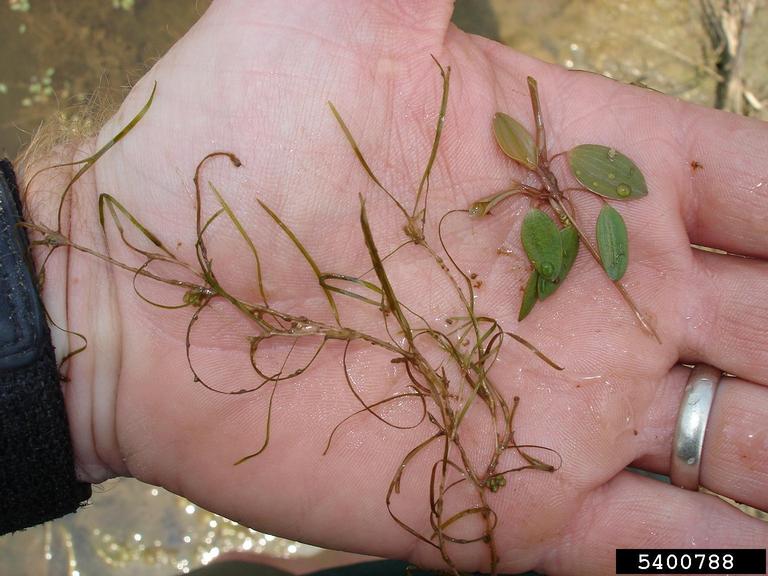
Waterthread Pondweed, scientifically known as Potamogeton diversifolius, is an aquatic plant species belonging to the family Potamogetonaceae. This plant is commonly found in freshwater environments such as ponds, lakes, and slow-moving streams across North America.
Description
Waterthread Pondweed is a perennial aquatic plant that exhibits a distinctive morphology. It has slender, thread-like stems that can grow up to several meters in length. The leaves of this plant are highly variable, which is reflected in its species name diversifolius, meaning "diverse leaves." The leaves can be either submerged or floating, with submerged leaves being narrow and linear, while floating leaves are broader and more oval-shaped. The plant produces small, inconspicuous flowers that are arranged in spikes and emerge above the water surface.
Habitat and Distribution
This species thrives in a variety of freshwater habitats, including ponds, lakes, marshes, and slow-moving streams. It prefers clear, nutrient-rich waters with a soft, muddy substrate. Waterthread Pondweed is widely distributed across North America, from Canada to the southern United States. It is particularly abundant in the eastern and central regions of the continent.
Ecological Importance
Waterthread Pondweed plays a crucial role in aquatic ecosystems. It provides habitat and food for a variety of aquatic organisms, including fish, invertebrates, and waterfowl. The plant's dense underwater foliage offers shelter and breeding grounds for small fish and invertebrates, while its leaves and stems are a food source for herbivorous species. Additionally, Waterthread Pondweed helps to stabilize sediment and improve water quality by absorbing nutrients and reducing turbidity.
Reproduction and Growth
The reproduction of Waterthread Pondweed occurs both sexually and asexually. Sexual reproduction involves the production of seeds through the plant's flowers, which are pollinated by water currents or insects. Asexual reproduction occurs through the fragmentation of stems and the formation of turions, which are specialized overwintering buds. These turions can survive harsh conditions and give rise to new plants in the following growing season.
Conservation and Management
While Waterthread Pondweed is not currently considered a threatened species, it faces several challenges that could impact its populations. Habitat destruction, water pollution, and the introduction of invasive species are significant threats to this plant. Conservation efforts focus on preserving natural habitats, monitoring water quality, and controlling invasive species to ensure the continued survival of Waterthread Pondweed.
Human Uses
Historically, Waterthread Pondweed has had limited direct use by humans. However, its ecological benefits make it an important component of healthy aquatic ecosystems. In some regions, it is used in constructed wetlands and water gardens to enhance biodiversity and improve water quality. Additionally, the plant's presence can be an indicator of a healthy aquatic environment, making it valuable for environmental monitoring and assessment.
Identification Tips
Identifying Waterthread Pondweed can be challenging due to its variable leaf morphology. Here are some tips to help with identification:
- Look for slender, thread-like stems that can grow up to several meters in length.
- Submerged leaves are narrow, linear, and often arranged in whorls around the stem.
- Floating leaves, if present, are broader and more oval-shaped.
- Flowers are small, greenish, and arranged in spikes that emerge above the water surface.
- The plant often forms dense underwater mats in suitable habitats.