Prostrate Spurge
Bioactive Steroids from the Whole Herb of *Euphorbia chamaesyce*
Profile on Wild Plants of Malta
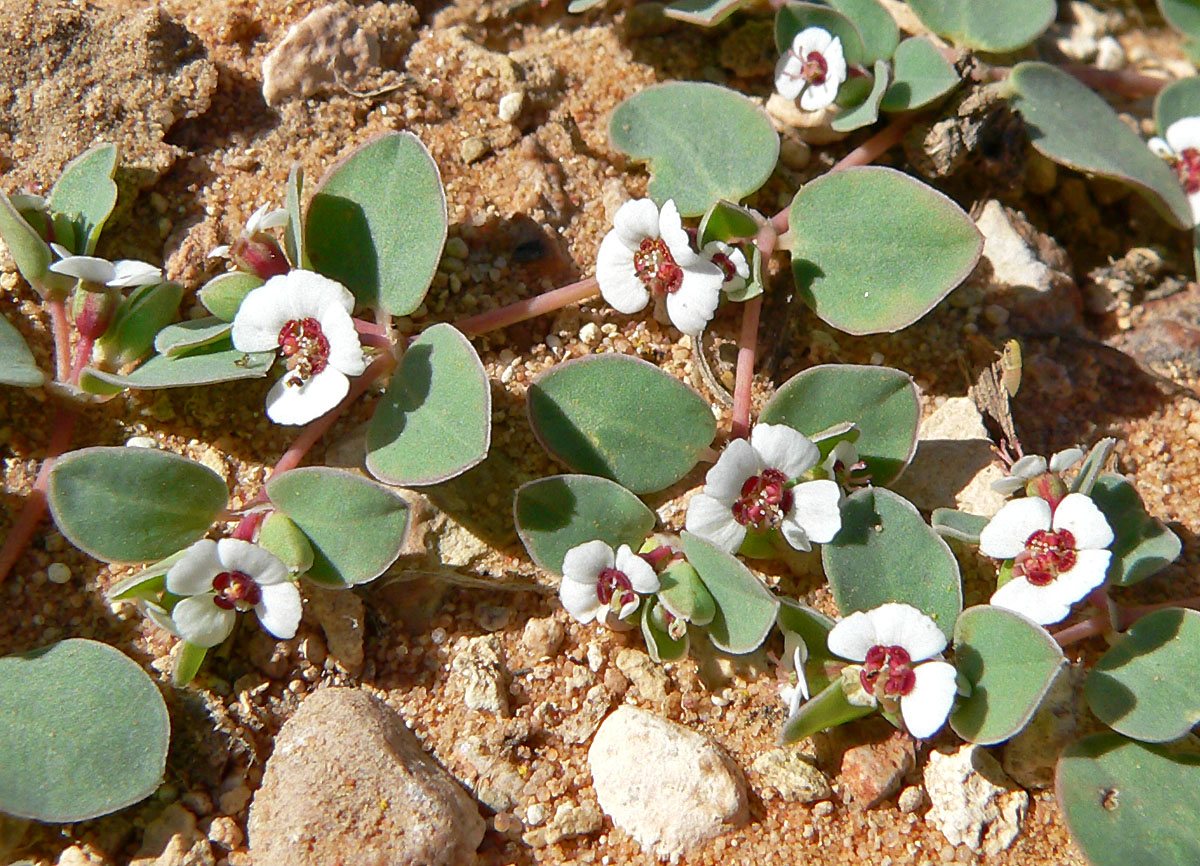
Prostrate Spurge, scientifically known as Euphorbia chamaesyce, is a common annual weed that belongs to the Euphorbiaceae family. This plant is often found in gardens, lawns, and agricultural fields, where it can become a significant nuisance due to its rapid growth and ability to spread. Understanding its characteristics, growth habits, and control methods is essential for effective management.
Identification
Prostrate Spurge is easily identifiable by its low-growing, mat-forming habit. Here are some key features to help you recognize it:
- Leaves: The leaves are small, oval to oblong, and typically have a reddish or purplish spot in the center. They are arranged oppositely along the stem.
- Stems: The stems are thin, hairy, and often reddish in color. They grow close to the ground and can root at the nodes.
- Flowers: The flowers are tiny, inconspicuous, and greenish-yellow. They are produced in small clusters at the leaf axils.
- Sap: When broken, the plant exudes a milky, white sap that can be irritating to the skin and eyes.
Growth and Reproduction
Prostrate Spurge thrives in warm climates and can be found in a variety of soil types, although it prefers well-drained soils. It is a prolific seed producer, with each plant capable of producing thousands of seeds. These seeds can remain viable in the soil for several years, making long-term control challenging.
Life Cycle
- Germination: Seeds typically germinate in late spring to early summer when soil temperatures are warm.
- Vegetative Growth: The plant quickly establishes a dense mat of foliage, which can outcompete desirable plants for light, water, and nutrients.
- Flowering and Seed Production: Flowering occurs throughout the summer, with seeds being produced continuously. The seeds are dispersed by wind, water, and human activity.
Impact on Agriculture and Horticulture
Prostrate Spurge can have several negative impacts on both agricultural and horticultural settings:
- Competition: It competes with crops and ornamental plants for resources, potentially reducing yields and aesthetic value.
- Allelopathy: The plant may release chemicals that inhibit the growth of nearby plants.
- Irritation: The sap can cause skin irritation and allergic reactions in sensitive individuals.
Control Methods
Effective control of Prostrate Spurge requires an integrated approach that combines cultural, mechanical, and chemical methods.
Cultural Control
- Mulching: Applying a thick layer of mulch can suppress seed germination by blocking light.
- Proper Irrigation: Avoid overwatering, as Prostrate Spurge thrives in moist conditions.
- Healthy Turf: Maintaining a dense, healthy lawn can outcompete the weed and reduce its establishment.
Mechanical Control
- Hand Pulling: Small infestations can be managed by hand-pulling the plants, ensuring that the entire root system is removed.
- Hoeing: Regular hoeing can disrupt the growth of young plants before they set seed.
Chemical Control
- Pre-emergent Herbicides: These can be applied in early spring to prevent seed germination.
- Post-emergent Herbicides: Selective herbicides can be used to target Prostrate Spurge without harming desirable plants. Always follow label instructions and safety precautions.
Environmental Considerations
When managing Prostrate Spurge, it is important to consider the environmental impact of control methods:
- Non-chemical Methods: Prioritize cultural and mechanical methods to reduce reliance on herbicides.
- Herbicide Selection: Choose herbicides that are less harmful to non-target species and the environment.
- Integrated Pest Management (IPM): Implement an IPM approach that combines multiple control strategies for sustainable management.