Pollinators
(return to Materials & Design menu)
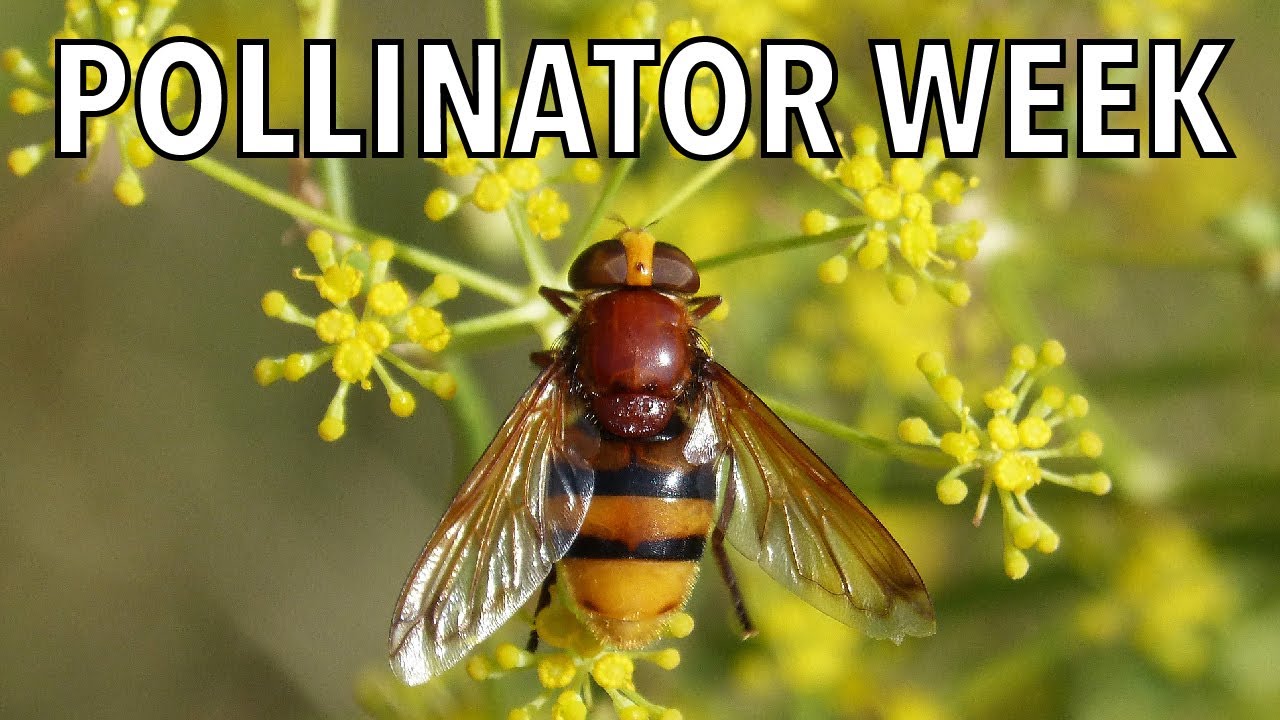
Fantastic fly pollinators
How to help pollinators in cities
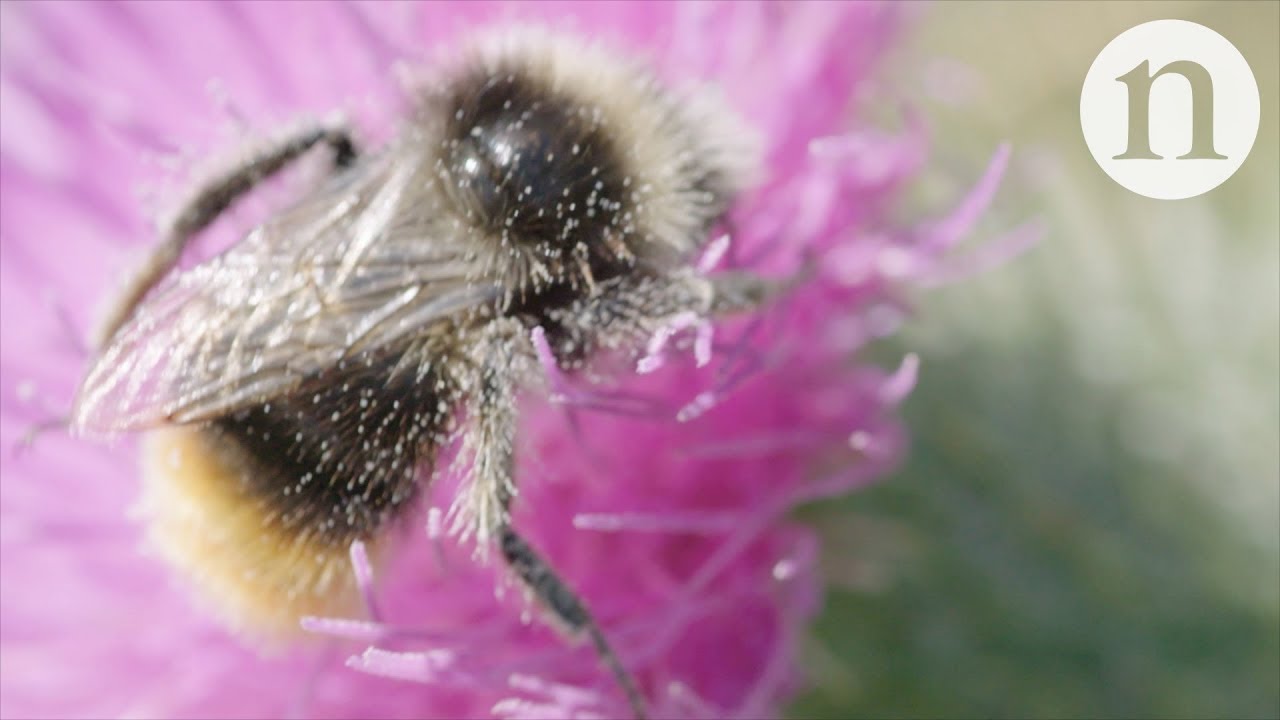
THE ROLE OF POLLINATORS IN SUSTAINABLE GARDENING
Pollinators are essential to the health and productivity of gardens, playing a crucial role in the reproduction of many plants. In the context of sustainable gardening, understanding and supporting pollinators can lead to more resilient and productive ecosystems. This note explores the importance of pollinators, the challenges they face, and strategies for creating pollinator-friendly gardens.
What Are Pollinators?
Pollinators are animals that facilitate the transfer of pollen from the male structures of flowers (anthers) to the female structures (stigmas), enabling fertilization and the production of seeds. While bees are the most well-known pollinators, a diverse array of animals contribute to this process, including:
- Butterflies
- Moths
- Beetles
- Birds (such as hummingbirds)
- Bats
- Flies
Each of these pollinators has unique interactions with plants, contributing to the biodiversity and resilience of ecosystems.
Importance of Pollinators in Gardening
Pollinators are vital for the reproduction of approximately 75% of flowering plants, including many fruits, vegetables, and nuts. In sustainable gardening, pollinators help:
- Increase crop yields and quality
- Enhance biodiversity by supporting a variety of plant species
- Maintain healthy ecosystems by facilitating plant reproduction
By attracting and supporting pollinators, gardeners can create more productive and resilient gardens that require fewer inputs like fertilizers and pesticides.
Challenges Facing Pollinators
Despite their importance, pollinators face numerous threats that have led to declines in their populations. Key challenges include:
- Habitat Loss: Urbanization, agriculture, and deforestation reduce the availability of natural habitats for pollinators.
- Pesticides: The use of chemical pesticides can be harmful or lethal to pollinators, disrupting their ability to forage and reproduce.
- Climate Change: Changes in temperature and weather patterns can affect the availability of food and nesting sites for pollinators.
- Diseases and Parasites: Pollinators, particularly bees, are susceptible to various diseases and parasites that can decimate populations.
Addressing these challenges is critical for the conservation of pollinators and the sustainability of gardens.
Creating a Pollinator-Friendly Garden
To support pollinators and promote sustainable gardening, consider implementing the following strategies:
1. Plant a Diversity of Flowers
A diverse array of flowering plants can attract a wide range of pollinators. Consider the following tips:
- Choose native plants, as they are better adapted to local pollinators.
- Select a variety of plants that bloom at different times to provide a continuous food source throughout the growing season.
- Include plants with different flower shapes, sizes, and colors to attract different types of pollinators.
2. Provide Habitat and Nesting Sites
Pollinators need safe places to live and reproduce. You can support them by:
- Leaving some areas of the garden undisturbed for ground-nesting bees.
- Installing bee hotels or nesting boxes for solitary bees and other insects.
- Providing water sources, such as shallow dishes with stones for perching.
3. Minimize Pesticide Use
Reducing or eliminating the use of chemical pesticides can protect pollinators from harm. Consider these alternatives:
- Use organic or natural pest control methods, such as introducing beneficial insects.
- Apply pesticides only when necessary and choose products that are less harmful to pollinators.
- Spray pesticides in the evening when pollinators are less active.
4. Educate and Advocate
Raising awareness about the importance of pollinators can lead to broader conservation efforts. You can:
- Share information with neighbors and community members about creating pollinator-friendly spaces.
- Participate in citizen science projects that monitor pollinator populations.
- Advocate for policies that protect pollinator habitats and reduce pesticide use.
Benefits of Supporting Pollinators
By creating a pollinator-friendly garden, you can enjoy numerous benefits, including:
- Increased Biodiversity: A diverse range of pollinators can lead to a more varied and resilient plant community.
- Enhanced Garden Productivity: With more pollinators, plants are more likely to produce abundant and high-quality fruits and seeds.
- Environmental Stewardship: Supporting pollinators contributes to the health of local ecosystems and the broader environment.