Awl-leaf Arrowhead
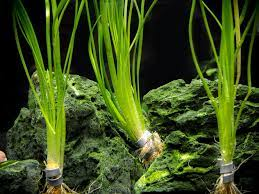

The Awl-leaf Arrowhead, scientifically known as Sagittaria subulata, is an aquatic plant that belongs to the Alismataceae family. This perennial herb is native to the eastern United States, particularly thriving in freshwater habitats such as marshes, ponds, and slow-moving streams.
Physical Description
The Awl-leaf Arrowhead is easily recognizable by its distinctive foliage. The plant features narrow, awl-shaped leaves that can grow up to 30 cm in length. These leaves are typically submerged or floating, giving the plant a graceful appearance in its aquatic environment. The leaves are bright green and have a smooth texture, which helps them adapt to their watery surroundings.
The plant also produces small, white flowers that bloom from late spring to early fall. These flowers are arranged in whorls on a slender, erect stalk that rises above the water's surface. Each flower has three petals and a yellow center, making them quite attractive to pollinators such as bees and butterflies.
Habitat and Distribution
Sagittaria subulata is predominantly found in the eastern United States, ranging from New York to Florida and westward to Texas. It thrives in freshwater environments with slow-moving or still water, such as marshes, ponds, ditches, and the edges of streams and rivers. The plant prefers soft, muddy substrates where its roots can easily anchor and absorb nutrients.
The Awl-leaf Arrowhead is well-adapted to a variety of water conditions, including both shallow and deeper waters. It can tolerate a range of pH levels and water temperatures, making it a versatile species in its native habitat.
Ecological Importance
The Awl-leaf Arrowhead plays a crucial role in its ecosystem. As an aquatic plant, it provides essential habitat and food for a variety of wildlife. The dense foliage offers shelter and breeding grounds for fish, amphibians, and invertebrates. Additionally, the plant's flowers attract pollinators, which in turn support the broader ecosystem by facilitating the reproduction of other plant species.
The plant also contributes to water quality by stabilizing sediments and reducing erosion. Its roots help to filter and trap pollutants, improving the overall health of the aquatic environment. Furthermore, the Awl-leaf Arrowhead can absorb excess nutrients from the water, which helps to prevent algal blooms and maintain a balanced ecosystem.
Cultivation and Uses
While Sagittaria subulata is primarily found in the wild, it can also be cultivated for ornamental purposes in water gardens and aquariums. Its attractive foliage and flowers make it a popular choice for adding visual interest to aquatic landscapes. The plant is relatively easy to grow, provided it has access to adequate sunlight and a suitable substrate.
To cultivate the Awl-leaf Arrowhead, it is best to plant it in shallow water with a muddy or sandy bottom. The plant can be propagated by dividing the rhizomes or by planting seeds. Regular maintenance, such as trimming dead leaves and controlling algae growth, will help ensure the plant remains healthy and vibrant.
Interesting Facts
- The genus name Sagittaria is derived from the Latin word "sagitta," meaning arrow, which refers to the arrow-shaped leaves of many species in this genus.
- The Awl-leaf Arrowhead is sometimes referred to as the "narrow-leaved arrowhead" due to its slender foliage.
- In addition to its ecological benefits, the plant has been used in traditional medicine by Native American tribes for its purported healing properties.