Angular Solomon's Seal
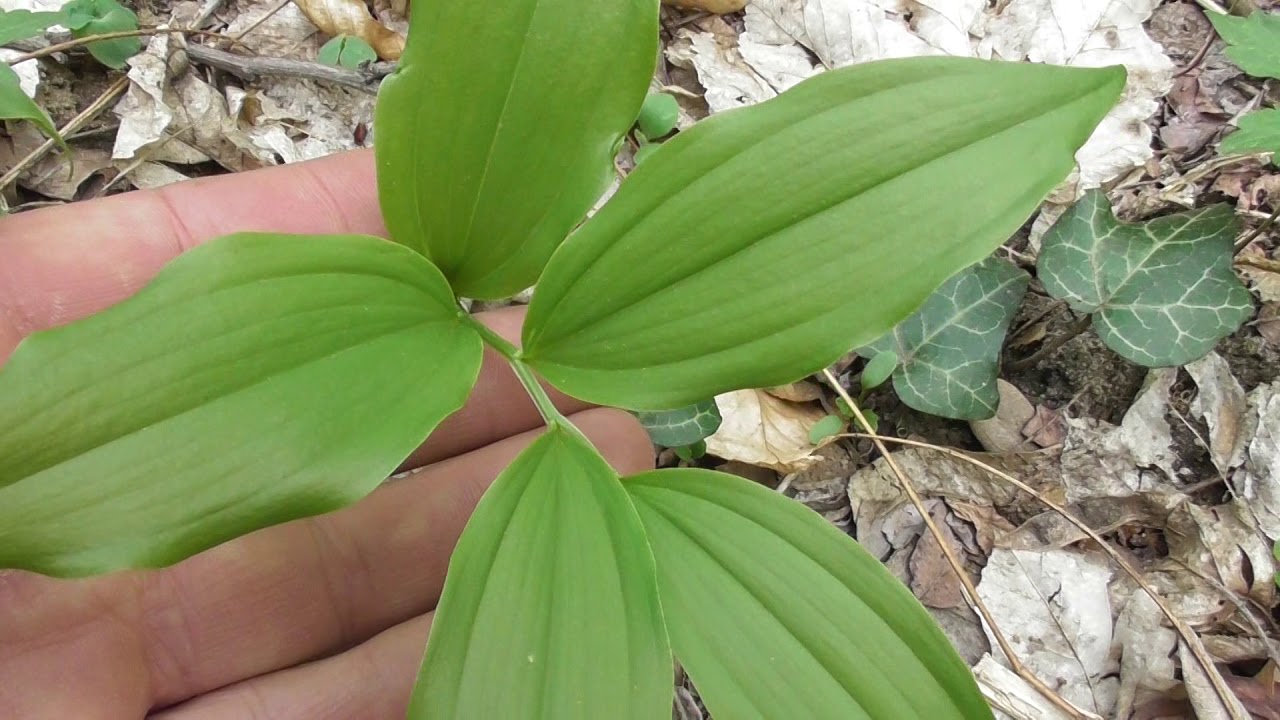
Angular Solomon's Seal, scientifically known as Polygonatum odoratum, is a perennial herbaceous plant that belongs to the Asparagaceae family. This plant is native to Europe and Asia and is widely appreciated for its ornamental value and medicinal properties. It is commonly found in woodlands, shaded gardens, and along forest edges.
Botanical Description
Angular Solomon's Seal is characterized by its arching stems, which can grow up to 3 feet in height. The plant has alternate, lance-shaped leaves that are arranged in two rows along the stem. The leaves are typically 3-6 inches long and have a distinctive parallel venation. The plant produces small, tubular, white or greenish-white flowers that hang in pairs or clusters from the leaf axils. These flowers are fragrant and bloom in late spring to early summer.
The fruit of the Angular Solomon's Seal is a small, blue-black berry that matures in late summer. The berries are not typically consumed by humans due to their potential toxicity, but they are an important food source for various wildlife species.
Habitat and Cultivation
Angular Solomon's Seal thrives in shaded or partially shaded environments with well-drained, humus-rich soil. It prefers moist conditions but can tolerate periods of drought once established. This plant is hardy in USDA zones 3-8, making it suitable for a wide range of climates.
When cultivating Angular Solomon's Seal, it is important to provide adequate space for the plant to spread, as it can form large colonies over time. The plant can be propagated by division of the rhizomes in early spring or by seed, although seed propagation is less common due to the slow germination process.
Medicinal Uses
Angular Solomon's Seal has a long history of use in traditional medicine, particularly in Chinese and European herbal practices. The rhizomes of the plant are the primary part used for medicinal purposes. They are typically harvested in the fall, cleaned, and dried for later use.
Some of the medicinal properties attributed to Angular Solomon's Seal include:
- Anti-inflammatory: The plant is believed to reduce inflammation and is often used to treat conditions such as arthritis and joint pain.
- Demulcent: It has soothing properties that can help alleviate irritation in the mucous membranes, making it useful for treating respiratory and digestive issues.
- Astringent: The plant can help tighten tissues and reduce bleeding, making it useful for treating wounds and skin conditions.
- Adaptogenic: It is thought to help the body adapt to stress and improve overall resilience.
Despite its traditional uses, it is important to consult with a healthcare professional before using Angular Solomon's Seal for medicinal purposes, as it can interact with other medications and may not be suitable for everyone.
Ornamental Value
In addition to its medicinal uses, Angular Solomon's Seal is highly valued as an ornamental plant. Its graceful, arching stems and delicate flowers make it a popular choice for shaded gardens and woodland settings. The plant's foliage also provides excellent ground cover and can help suppress weeds.
Angular Solomon's Seal pairs well with other shade-loving plants such as ferns, hostas, and astilbes. It can be used in borders, underplanting for trees and shrubs, or as a naturalizing plant in woodland gardens.
Conservation and Ecological Importance
While Angular Solomon's Seal is not currently considered endangered, it is important to practice sustainable harvesting and cultivation to ensure its continued availability. In the wild, the plant provides important habitat and food sources for various insects, birds, and mammals.
By incorporating Angular Solomon's Seal into garden landscapes, gardeners can contribute to biodiversity and support local ecosystems. The plant's flowers attract pollinators such as bees and butterflies, while its berries provide food for birds and small mammals.
.