Kenaf / Java Jute
Constituents
Duke’s Database
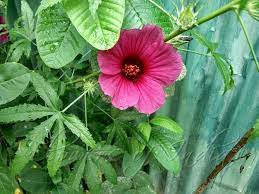
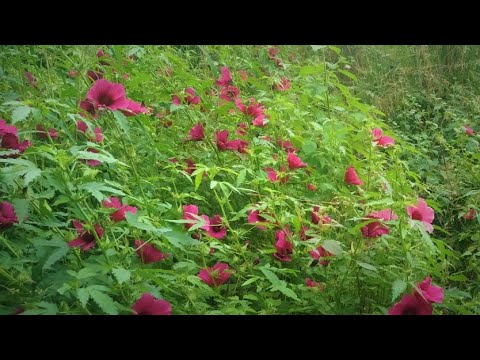
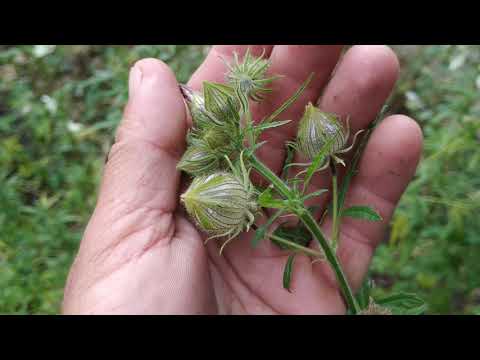
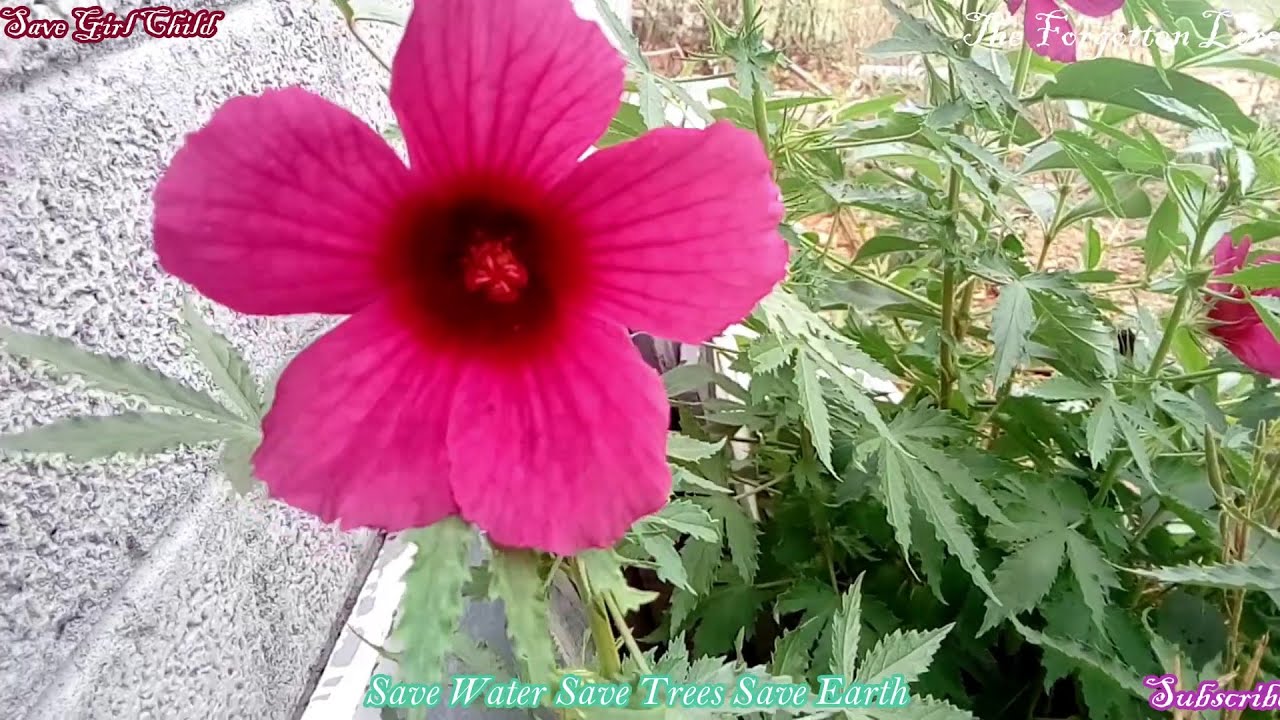
Hibiscus cannabinus, commonly known as kenaf, is a versatile plant with a long history of cultivation for its fiber, food, and medicinal properties. Here's a detailed look at this fascinating species:
Origin and Appearance:
- Native to Africa, with an uncertain origin likely somewhere in the eastern or central regions.
- Grows as an annual or biennial plant, reaching heights of up to 12 feet (3.6 meters).
- Features a strong, upright stem with a woody base and large, lobed leaves that can reach up to 6 inches (15 cm) in length.
Uses and Benefits:
- Fiber: The primary use of kenaf is for its strong, durable fiber, often referred to as "deccan hemp" or "java jute." This fiber is similar to jute but finer and softer, making it suitable for various applications like textiles, twine, rope, paper, and biocomposites.
- Food: The leaves and young shoots of kenaf are edible and can be consumed as a nutritious vegetable. The seeds are also a good source of protein and oil.
- Medicine: Traditionally, different parts of the kenaf plant have been used in various medicinal practices. The leaves, for example, have been used for treating coughs and dysentery, while the seeds are believed to have aphrodisiac properties.
- Environmental benefits: Kenaf is a fast-growing plant that absorbs large amounts of carbon dioxide, making it a valuable resource for sustainable agriculture and carbon sequestration. Additionally, its deep root system helps prevent soil erosion.
Interesting facts:
- The name "kenaf" is believed to be of Persian origin, meaning "hemp."
- Kenaf was used for papermaking in ancient Egypt and China.
- During World War II, kenaf was grown in the United States as a substitute for jute, which was difficult to import due to the war.
- Today, kenaf is cultivated in various countries around the world, including India, China, Brazil, and Cuba.