Autointoxication
Slow motility can lead to autointoxication where we absorb fecal material into the blood stream.
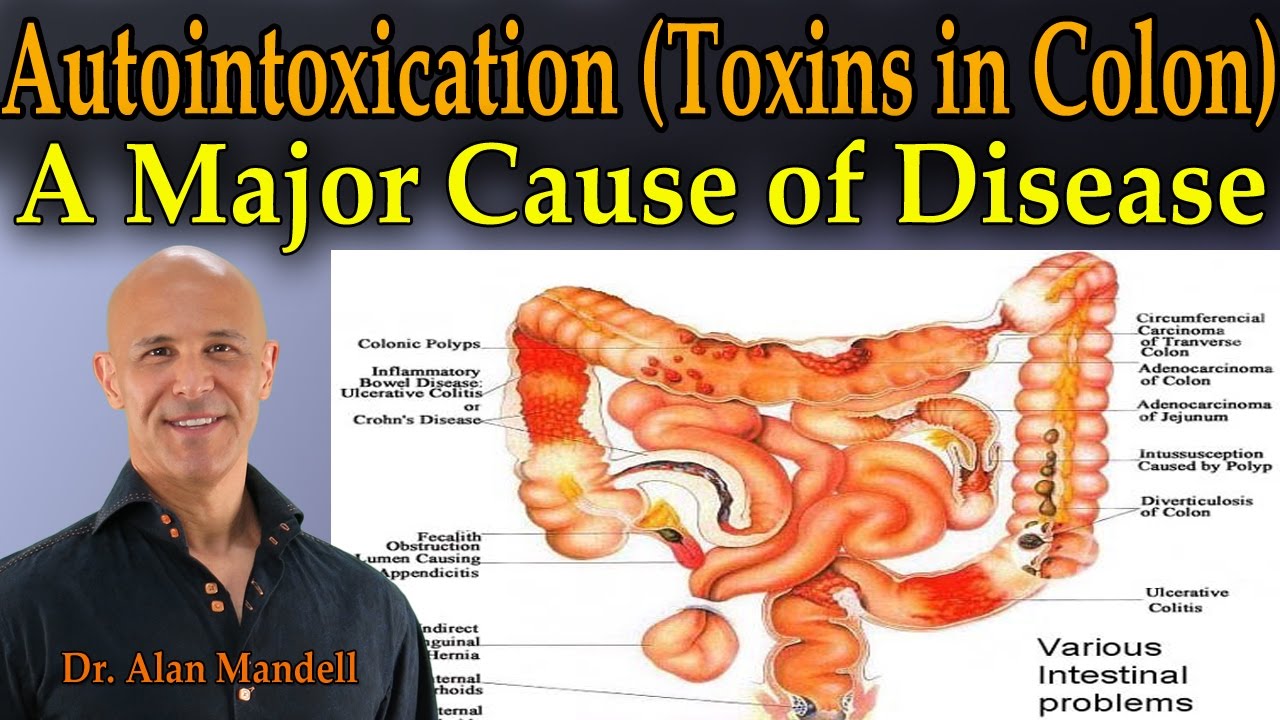
Autointoxication is a concept that has intrigued medical professionals and the general public for centuries. It refers to the idea that the body can poison itself by retaining waste products and toxins, which are normally eliminated through the digestive system, skin, lungs, and kidneys. This theory has evolved over time, and while it has been largely debunked in its original form, it still influences some alternative health practices today.
Historical Background
The concept of autointoxication dates back to ancient times. Early physicians believed that the body could become poisoned by its own waste products if they were not properly eliminated. This idea was particularly popular in the 19th and early 20th centuries, when it was thought that the colon was a major source of toxins. Physicians of that era often prescribed enemas and laxatives as treatments to cleanse the body of these supposed toxins.
The Science Behind Autointoxication
Modern medicine has largely discredited the original theory of autointoxication. The human body is equipped with highly efficient systems for detoxification and waste elimination. The liver, kidneys, lungs, and skin work together to remove toxins and waste products from the body. The digestive system, particularly the colon, plays a crucial role in this process by absorbing nutrients and expelling waste.
- Liver: The liver is the body's primary detoxification organ. It processes toxins and converts them into harmless substances that can be excreted.
- Kidneys: The kidneys filter blood to remove waste products and excess substances, which are then excreted as urine.
- Lungs: The lungs expel carbon dioxide and other gaseous waste products.
- Skin: The skin eliminates waste through sweat.
Modern Perspectives
While the original concept of autointoxication is not supported by scientific evidence, the idea that lifestyle and diet can impact health is widely accepted. Poor diet, lack of exercise, and stress can contribute to a range of health issues, but these are not typically due to the body poisoning itself. Instead, they may lead to conditions such as obesity, cardiovascular disease, and diabetes.
Alternative Health Practices
Despite the lack of scientific support, the idea of autointoxication persists in some alternative health practices. These often focus on detoxification through diet, supplements, and cleansing regimens. Common practices include:
- Colon Cleansing: This involves the use of enemas or laxatives to clear the colon of waste. However, there is little evidence to support its health benefits, and it can sometimes be harmful.
- Detox Diets: These diets often involve fasting or consuming specific foods and drinks believed to cleanse the body. While they may lead to short-term weight loss, they are not necessary for detoxification.
- Herbal Supplements: Some supplements claim to support detoxification, but their efficacy and safety are often not well-researched.
Risks and Considerations
Engaging in extreme detoxification practices can pose health risks. Overuse of laxatives and enemas can lead to dehydration, electrolyte imbalances, and damage to the colon. Detox diets may result in nutrient deficiencies and metabolic imbalances. It is important to approach these practices with caution and consult healthcare professionals before making significant changes to one's health regimen.