Tonsils

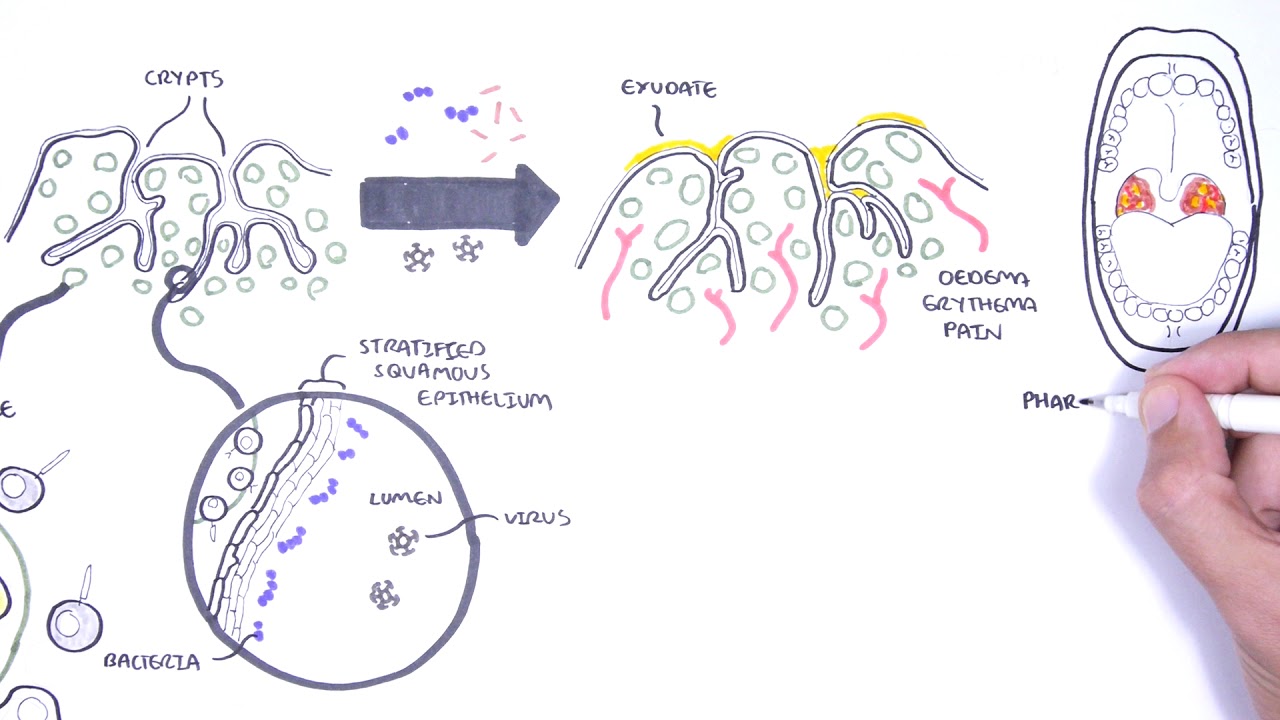
Tonsils are small, oval-shaped masses of lymphoid tissue located at the back of the throat. They are part of the body's immune system and play a crucial role in defending against infections.
Anatomy of Tonsils
There are three types of tonsils, each with a specific location and function:
- Palatine Tonsils: These are the most commonly referred to when discussing tonsils. They are located on either side of the throat and are visible when you open your mouth wide.
- Pharyngeal Tonsil (Adenoids): Located in the roof of the nasopharynx, these are not visible through the mouth. They are more prominent in children and tend to shrink with age.
- Lingual Tonsils: Found at the base of the tongue, these are less commonly discussed but play a similar role in immune response.
Function of Tonsils
Tonsils are part of the lymphatic system, which helps protect the body from infection. They act as the first line of defense by trapping pathogens (bacteria and viruses) that enter through the mouth or nose. Tonsils contain immune cells that produce antibodies to fight infections. They also play a role in the development of the immune system, particularly in children.
Common Tonsil Issues
Tonsils can be prone to several issues, particularly in children. Some of the most common problems include:
- Tonsillitis: This is an inflammation of the tonsils, often caused by viral or bacterial infections. Symptoms include sore throat, difficulty swallowing, fever, and swollen tonsils.
- Tonsil Stones (Tonsilloliths): These are small, hard deposits that form in the crevices of the tonsils. They can cause bad breath, sore throat, and difficulty swallowing.
- Enlarged Tonsils: Also known as hypertrophy, enlarged tonsils can cause breathing difficulties, snoring, and sleep apnea.
- Peritonsillar Abscess: This is a collection of pus that forms near the tonsils, usually as a complication of tonsillitis. It can cause severe throat pain, fever, and difficulty swallowing.
Diagnosis and Treatment
Diagnosis of tonsil-related issues typically involves a physical examination and may include a throat swab or blood tests to identify the cause of infection. Treatment options vary depending on the condition:
- Tonsillitis: Mild cases may resolve on their own, but bacterial infections often require antibiotics. Pain relief can be managed with over-the-counter medications like ibuprofen or acetaminophen.
- Tonsil Stones: These can often be removed at home with gentle methods such as gargling salt water or using a cotton swab. Persistent or large stones may require medical removal.
- Enlarged Tonsils: Observation is often recommended, especially in children, as they may shrink over time. In severe cases, surgical removal (tonsillectomy) may be necessary.
- Peritonsillar Abscess: This requires prompt medical attention. Treatment typically involves draining the abscess and administering antibiotics.
Tonsillectomy
A tonsillectomy is a surgical procedure to remove the tonsils. It is one of the most common surgeries performed on children but can also be necessary for adults. Indications for a tonsillectomy include:
- Recurrent tonsillitis (several episodes per year)
- Chronic tonsillitis that does not respond to treatment
- Obstructive sleep apnea due to enlarged tonsils
- Persistent bad breath or tonsil stones
The procedure is usually performed under general anesthesia and involves a relatively short recovery period. Most patients can return to normal activities within one to two weeks.