Silver Maple
Videos
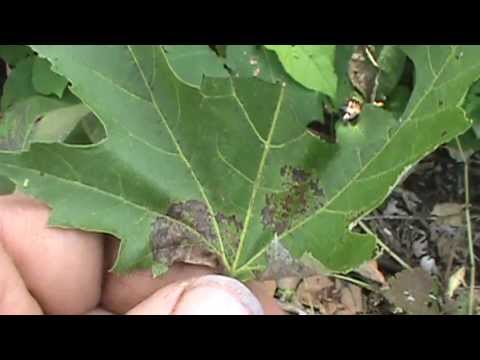
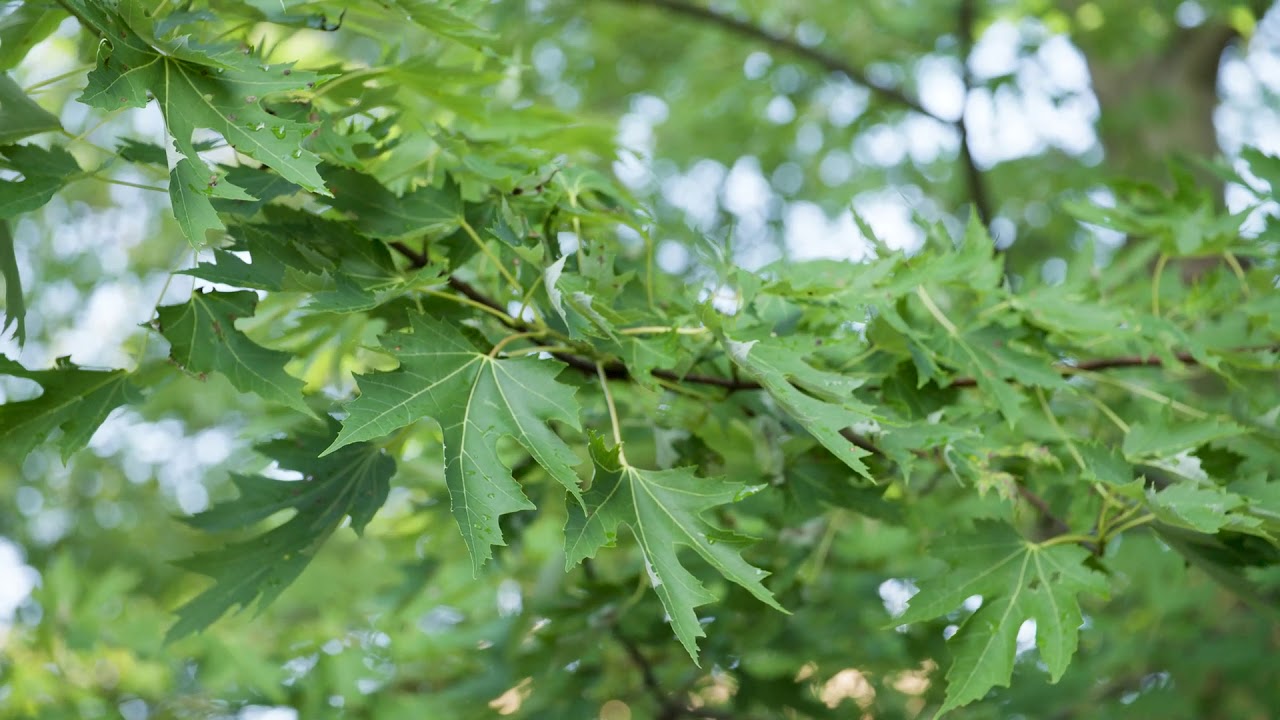
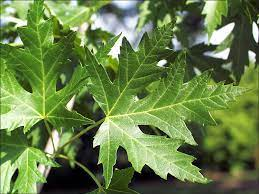
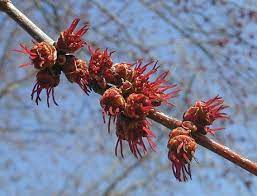

The Silver Maple (Acer saccharinum), also known as the soft maple, is a species of maple native to eastern and central North America. This tree is renowned for its rapid growth, distinctive leaves, and adaptability to various environments.
Characteristics
Appearance
The Silver Maple is easily recognizable by its leaves, which are deeply lobed with five slender, pointed lobes. The underside of the leaves is a silvery-white color, giving the tree its common name. In autumn, the leaves turn a vibrant yellow, adding to the tree's ornamental appeal.
Size
This tree can grow to impressive heights, typically reaching between 50 to 80 feet, with some specimens growing even taller. The trunk diameter can range from 2 to 3 feet, and the tree's canopy is broad and rounded, providing ample shade.
Bark
The bark of the Silver Maple is smooth and gray when young, becoming darker and furrowed with age. The older bark can develop long, thin, scaly plates that peel away from the trunk.
Habitat
Native Range
The Silver Maple is native to the eastern and central regions of North America, from Quebec and Ontario in Canada, down to Florida and west to Oklahoma and Minnesota.
Preferred Environment
This species thrives in moist, well-drained soils and is commonly found along riverbanks, floodplains, and wetlands. It is highly adaptable and can tolerate a range of soil types, including clay, loam, and sandy soils. The Silver Maple is also known for its tolerance to flooding and poor soil conditions, making it a resilient choice for challenging landscapes.
edible uses
Silver maple (Acer saccharinum) has edible uses — and unlike sugar maple, its edibility extends beyond sap
1. Sap — drink fresh or boil into syrup
The sap contains natural sugars and can be consumed as “maple water” or boiled down into syrup.
- Yield is about half that of sugar maple, but the syrup is described as sweeter and whiter. edibleplantdb.org
- Best flow: late winter, on sunny days after a frost. edibleplantdb.org
2. Seeds (samaras) — cooked
Silver maple produces large, plump samaras that are among the best-tasting maple seeds.
- Remove wings, boil, and eat hot. edibleplantdb.org
- Flavor: similar to a small soybean with mild bitterness. Forager | Chef
- Foragers consider silver maple seeds the best maple seeds for eating. Forager | Chef
3. Young Leaves — raw or cooked
Self‑sown seedlings’ young leaves can be eaten fresh or dried. edibleplantdb.org
4. Inner Bark — survival food
The inner bark can be:
- Dried and ground into flour
- Used to thicken soups or mixed with cereals for bread edibleplantdb.org
This is a traditional/emergency food, not a culinary staple.
Additional Notes
- Silver maple is native to eastern and central North America. edibleplantdb.org
- Seeds should be boiled; raw consumption of large quantities of maple seeds from other species has caused vomiting, so silver maple is preferred. Forager | Chef
- Maple sap and flowers from multiple species are edible; silver maple fits within this broader maple edibility pattern. sharingideas.me
Summary
Edible parts: sap, seeds, young leaves, inner bark
Best uses: syrup, boiled seeds, spring greens, survival flour
Flavor anchors: sweet sap; soybean‑like seeds; mild greens
Seasonality: late‑winter sap; spring seeds & seedlings
other Uses
Ornamental
Due to its rapid growth and attractive foliage, the Silver Maple is a popular choice for ornamental planting in parks, gardens, and urban areas. Its broad canopy provides excellent shade, making it a favored tree for residential areas.
Timber
The wood of the Silver Maple is relatively soft compared to other maples, which limits its use in heavy construction. However, it is still valuable for producing furniture, crates, and other light-duty wooden products. The wood is also used for pulpwood in the paper industry.
Ecological Benefits
The Silver Maple plays a crucial role in its ecosystem. Its dense canopy provides habitat and food for various wildlife, including birds and small mammals. The tree's flowers, which appear in early spring, are an important nectar source for bees and other pollinators.
Care and Maintenance
Planting
When planting a Silver Maple, choose a location with ample space for the tree to grow, considering its mature size. Ensure the soil is well-drained and moist, although the tree can adapt to less-than-ideal conditions.
Watering
Young Silver Maples require regular watering to establish a strong root system. Once established, the tree is relatively drought-tolerant but will benefit from occasional deep watering during prolonged dry periods.
Pruning
Pruning is essential to maintain the health and shape of the Silver Maple. Remove dead or diseased branches and thin out crowded areas to improve air circulation. Pruning should be done in late winter or early spring before new growth begins.
Pests and Diseases
The Silver Maple is susceptible to several pests and diseases, including aphids, scale insects, and verticillium wilt. Regular monitoring and early intervention can help manage these issues. Applying a balanced fertilizer in early spring can also promote healthy growth and increase the tree's resistance to pests and diseases.
Isolation of methyl gallate as the antitumor principle of Acer saccharinum