Sheet Mulch
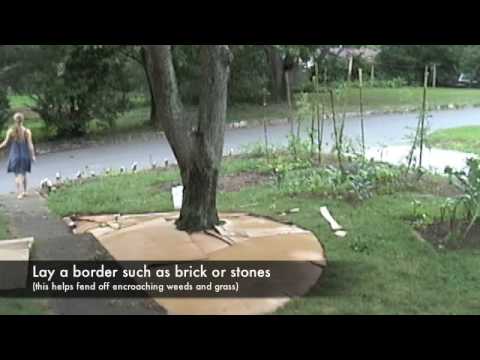
Sheet mulching is an environmentally friendly gardening technique that mimics the natural processes of a forest floor. It is a method used to suppress weeds, improve soil health, and conserve moisture, making it an excellent choice for sustainable gardening. This technique involves layering organic materials on the soil surface, which decompose over time to enrich the soil.
Benefits of Sheet Mulching
Sheet mulching offers numerous advantages for gardeners and the environment:
- Weed Suppression: By covering the soil with layers of organic material, sheet mulching effectively blocks sunlight, preventing weed seeds from germinating.
- Soil Enrichment: As the mulch decomposes, it adds organic matter to the soil, enhancing its structure and fertility.
- Moisture Retention: The layers of mulch help retain soil moisture by reducing evaporation, which is particularly beneficial in dry climates.
- Erosion Control: The mulch acts as a protective barrier against wind and water erosion, preserving the topsoil.
- Biodiversity Enhancement: The decomposition process attracts beneficial organisms such as earthworms and microbes, which contribute to a healthy ecosystem.
Materials Needed for Sheet Mulching
To create an effective sheet mulch, gather the following materials:
- Cardboard or Newspaper: These materials serve as the base layer, smothering existing vegetation and providing a barrier to weeds.
- Organic Matter: This includes compost, grass clippings, straw, leaves, and wood chips. These materials will decompose and enrich the soil.
- Water: Essential for initiating the decomposition process and maintaining moisture levels.
Steps to Create a Sheet Mulch
Follow these steps to implement sheet mulching in your garden:
- Prepare the Area: Clear the area of large debris and mow any existing vegetation to ground level.
- Water the Soil: Thoroughly water the soil to ensure it is moist before applying the mulch layers.
- Lay the Base Layer: Cover the soil with a layer of cardboard or several sheets of newspaper. Overlap the edges to prevent weeds from sneaking through. Wet the paper or cardboard to keep it in place.
- Add Organic Matter: Layer organic materials on top of the base layer. Start with a layer of compost, followed by alternating layers of green (nitrogen-rich) and brown (carbon-rich) materials. Aim for a total thickness of 6 to 12 inches.
- Water Again: Water the entire area thoroughly to help the layers settle and begin the decomposition process.
- Maintain the Mulch: Over time, the mulch will decompose and settle. Add more organic material as needed to maintain the desired thickness.
Tips for Successful Sheet Mulching
- Choose the Right Time: The best time to start sheet mulching is in the fall, allowing the materials to decompose over the winter.
- Avoid Using Weedy Materials: Ensure that the organic matter used is free from weed seeds to prevent future weed problems.
- Monitor Moisture Levels: Regularly check the moisture levels of the mulch, especially during dry periods, to ensure effective decomposition.
- Be Patient: Sheet mulching is a slow process, and it may take several months for the materials to fully decompose and improve the soil.
Common Challenges and Solutions
While sheet mulching is a straightforward process, gardeners may encounter some challenges:
- Pest Attraction: The organic materials can attract pests such as slugs and snails. To mitigate this, introduce natural predators or use barriers like copper tape.
- Nutrient Imbalance: An imbalance of carbon and nitrogen in the mulch can slow decomposition. Ensure a proper mix of green and brown materials to maintain balance.
- Thick Layers: Avoid applying layers that are too thick, as this can lead to anaerobic conditions and slow decomposition. Stick to the recommended thickness.