Amazon Grape / Amazon Tree-grape
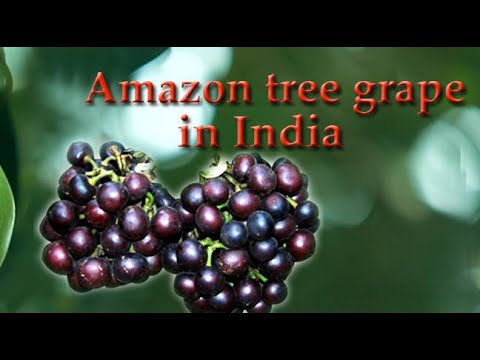
Constituents
Characterization and quantification of polyphenols in Amazon grape (Pourouma cecropiifolia Martius).
Pourouma cecropiifolia, also known as the Amazon grape tree, is a species of flowering plant native to the Amazon rainforest. This tree belongs to the family Urticaceae and is known for its unique characteristics and various uses. Here are some key points about Pourouma cecropiifolia:
- Appearance: Pourouma cecropiifolia is a medium-sized tree that can reach heights of up to 20 meters. It has a straight trunk and a dense crown of large, heart-shaped leaves. The leaves are dark green and have prominent veins, resembling the leaves of the Cecropia tree, hence the species name "cecropiifolia."
- Distribution: This species is primarily found in the Amazon rainforest, spanning across countries such as Brazil, Peru, Colombia, and Venezuela. It thrives in the humid and tropical climate of the region, where it can be found growing in both primary and secondary forests.
- Traditional Uses: Pourouma cecropiifolia has been utilized by indigenous communities for centuries due to its medicinal properties. The bark and leaves of the tree are used to treat various ailments, including diarrhea, fever, and respiratory problems. Additionally, the fruit of the tree is consumed as a food source, and the wood is used for construction and making tools.
- Ecological Importance: The Amazon grape tree plays a crucial role in the ecosystem of the Amazon rainforest. Its large leaves provide shade and shelter for other plant species, creating a microhabitat for various organisms. The tree also attracts pollinators, such as bees and butterflies, with its fragrant flowers, contributing to the overall biodiversity of the region.
- Chemical Compounds: Studies have shown that Pourouma cecropiifolia contains several bioactive compounds with potential medicinal properties. These compounds include flavonoids, tannins, and alkaloids, which have demonstrated antioxidant, anti-inflammatory, and antimicrobial activities. Further research is being conducted to explore the therapeutic potential of these compounds.
- Conservation Status: Pourouma cecropiifolia is currently not listed as a threatened species. However, due to deforestation and habitat loss in the Amazon rainforest, the population of this tree species may be declining. Efforts are being made to protect and conserve the Amazon rainforest, which indirectly helps in preserving the habitat of Pourouma cecropiifolia.
- Cultivation: The Amazon grape tree has the potential for cultivation outside its native range. It can be grown in tropical and subtropical regions with similar climatic conditions. The tree prefers well-drained soil and requires regular watering. Propagation can be done through seeds or stem cuttings, and it takes several years for the tree to reach maturity and bear fruit.