Checkermallow
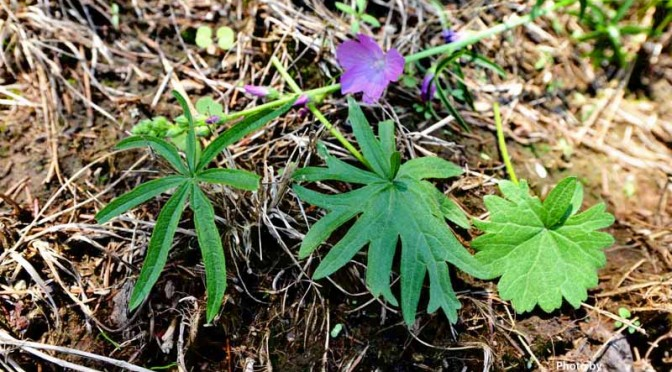
Sidalcea neomexicana, commonly known as the New Mexico checkerbloom or New Mexico checker mallow, is a perennial herbaceous plant belonging to the Malvaceae family. This plant is native to the southwestern United States, particularly thriving in regions such as New Mexico, Arizona, and parts of California.
Description
Sidalcea neomexicana is a perennial herb that typically grows to a height of 1 to 3 feet. The plant features slender, erect stems that are often covered with fine hairs. The leaves are palmately lobed, meaning they are divided into several lobes that spread out from a central point, resembling the palm of a hand. These leaves are usually green and can vary in size, with the lower leaves being larger and more deeply lobed compared to the upper leaves.
One of the most striking features of Sidalcea neomexicana is its flowers. The plant produces clusters of pink to lavender flowers that bloom from late spring to early summer. Each flower has five petals and a central column of fused stamens, which is characteristic of the Malvaceae family. The flowers are not only visually appealing but also attract a variety of pollinators, including bees and butterflies.
Habitat and Distribution
Sidalcea neomexicana is well-adapted to the arid and semi-arid climates of the southwestern United States. It is commonly found in open meadows, grasslands, and along the edges of forests. The plant prefers well-drained soils and can often be seen growing in sandy or rocky substrates. Its ability to thrive in such challenging environments makes it an important component of the local ecosystem.
The distribution of Sidalcea neomexicana is primarily concentrated in New Mexico, but it can also be found in neighboring states such as Arizona, California, and occasionally in parts of Nevada and Utah. Its presence in these regions highlights its adaptability to different environmental conditions.
Ecological Importance
Sidalcea neomexicana plays a significant role in its native habitat. As a flowering plant, it provides essential nectar and pollen resources for a variety of pollinators. Bees, butterflies, and other insects are attracted to its vibrant flowers, making it an important plant for maintaining pollinator populations. Additionally, the plant's seeds are a food source for various bird species, contributing to the overall biodiversity of the area.
The plant's ability to grow in disturbed areas also makes it valuable for habitat restoration projects. Its presence can help stabilize soil and prevent erosion, particularly in areas that have been impacted by human activities or natural disturbances. By promoting the growth of Sidalcea neomexicana, conservationists can support the recovery of degraded ecosystems.
Cultivation and Uses
While Sidalcea neomexicana is primarily valued for its ecological contributions, it also has potential for ornamental use. Its attractive flowers and foliage make it a desirable addition to native plant gardens and wildflower meadows. Gardeners interested in cultivating this plant should provide conditions that mimic its natural habitat, including well-drained soil and full to partial sunlight.
Propagation of Sidalcea neomexicana can be achieved through seeds or division. Seeds should be sown in the fall or early spring, and they may require a period of cold stratification to enhance germination. Division of established plants can be done in the spring, ensuring that each division has a portion of the root system.