French Hydrangea
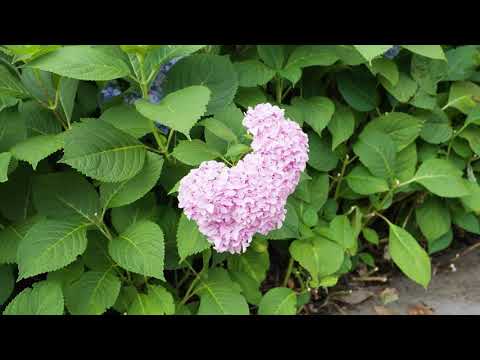
French Hydrangea (Hydrangea macrophylla)
The French Hydrangea, scientifically known as Hydrangea macrophylla, is a popular ornamental plant renowned for its large, vibrant blooms and lush foliage. Native to Japan, this species has become a favorite in gardens worldwide, particularly in temperate climates. Its ability to change flower color based on soil pH makes it a unique and fascinating addition to any garden.
Characteristics
Leaves are anti-allergenic due to glycosides
Appearance
French Hydrangeas are deciduous shrubs that typically grow between 3 to 6 feet tall and wide. They are characterized by their large, serrated leaves and striking flower clusters, which can be either mophead (large, round clusters) or lacecap (flat clusters with a ring of larger flowers around the edge). The flowers come in a variety of colors, including blue, pink, purple, and white, with the color often influenced by the soil's pH level.
Flower Color and Soil pH
One of the most intriguing aspects of the French Hydrangea is its ability to change flower color based on the pH of the soil. In acidic soils (pH below 6), the flowers tend to be blue, while in alkaline soils (pH above 7), they are more likely to be pink. This color change is due to the availability of aluminum ions in the soil, which are more soluble in acidic conditions and can be absorbed by the plant, leading to blue flowers.
Growing Conditions
Light Requirements
French Hydrangeas thrive in partial shade, although they can tolerate full sun in cooler climates. In hotter regions, they benefit from some afternoon shade to prevent the leaves from scorching and the flowers from wilting.
Soil and Watering
These plants prefer well-drained, fertile soil that retains moisture without becoming waterlogged. Regular watering is essential, especially during dry periods, as hydrangeas have a high water requirement. Mulching around the base of the plant can help retain soil moisture and keep the roots cool.
Pruning
Pruning is an important aspect of maintaining the health and appearance of French Hydrangeas. The best time to prune is late winter or early spring before new growth begins. Remove any dead or damaged wood, and cut back old flower heads to encourage new blooms. For mophead varieties, it's important to avoid heavy pruning, as they bloom on old wood.
Propagation
French Hydrangeas can be propagated through several methods, including cuttings, layering, and division. The most common method is taking softwood cuttings in late spring or early summer. These cuttings should be about 4-6 inches long and taken from healthy, non-flowering shoots. Remove the lower leaves, dip the cut end in rooting hormone, and plant in a well-draining potting mix. Keep the cuttings moist and in a shaded area until roots develop.
Common Pests and Diseases
While French Hydrangeas are relatively hardy, they can be susceptible to a few pests and diseases:
- Aphids: These small, sap-sucking insects can cause distorted growth and leave a sticky residue on the leaves. They can be controlled with insecticidal soap or by introducing natural predators like ladybugs.
- Powdery Mildew: This fungal disease appears as a white, powdery coating on the leaves and can be prevented by ensuring good air circulation around the plant and avoiding overhead watering.
- Leaf Spot: Caused by various fungi, leaf spot results in brown or black spots on the leaves. Removing affected leaves and applying a fungicide can help manage this disease.
Uses in Landscaping
French Hydrangeas are versatile plants that can be used in a variety of landscaping applications. They make excellent focal points in garden beds, borders, and containers. Their large, colorful blooms are also popular in cut flower arrangements and can be dried for long-lasting floral displays. Additionally, their ability to change color based on soil pH can be used creatively to achieve different garden aesthetics.