Dwarf Bamboo
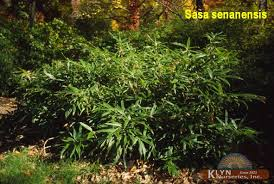
Dwarf Bamboo, scientifically known as Sasa senanensis, is a species of bamboo native to East Asia, particularly Japan. This plant is renowned for its hardiness, adaptability, and aesthetic appeal, making it a popular choice for gardeners and landscapers.
Characteristics
Physical Description
- Height: Dwarf Bamboo typically grows to a height of 1 to 2 meters, making it shorter than many other bamboo species.
- Leaves: The leaves are broad, lance-shaped, and can grow up to 30 cm long. They are dark green and have a glossy texture.
- Stems: The stems, or culms, are slender and woody, usually green when young and turning yellowish-brown as they mature.
- Growth Pattern: This bamboo species spreads via rhizomes, which are underground stems that produce new shoots and roots.
Habitat
- Native Range: Sasa senanensis is native to Japan, where it thrives in mountainous regions and forest understories.
- Climate: It prefers temperate climates and can tolerate cold temperatures, making it suitable for USDA hardiness zones 5-9.
- Soil: The plant grows best in well-drained, loamy soil but is adaptable to various soil types, including clay and sandy soils.
Cultivation
Planting
- Site Selection: Choose a location with partial to full shade, as Dwarf Bamboo can suffer from leaf scorch in full sun.
- Soil Preparation: Amend the soil with organic matter to improve drainage and fertility.
- Spacing: Space plants about 1 meter apart to allow for their spreading habit.
Maintenance
- Watering: Keep the soil consistently moist, especially during the first year after planting. Once established, Dwarf Bamboo is relatively drought-tolerant.
- Fertilization: Apply a balanced fertilizer in the spring to promote healthy growth.
- Pruning: Remove dead or damaged stems to maintain the plant's appearance and health. Thinning out older stems can also encourage new growth.
Propagation
- Division: The most common method of propagation is by dividing the rhizomes. This is best done in the spring or fall.
- Seed: Growing Dwarf Bamboo from seed is less common and more challenging, as the seeds have a low germination rate.
Uses
Ornamental
- Landscaping: Dwarf Bamboo is often used as a ground cover, border plant, or in woodland gardens. Its dense foliage provides a lush, green backdrop.
- Containers: It can also be grown in containers, making it a versatile option for patios and small gardens.
Practical
- Erosion Control: The extensive root system of Dwarf Bamboo makes it effective for stabilizing slopes and preventing soil erosion.
- Wildlife Habitat: The dense foliage provides shelter for small animals and birds.
Ecological Impact
Invasive Potential
While Dwarf Bamboo is valued for its hardiness and rapid growth, it can become invasive if not properly managed. The rhizomes can spread aggressively, outcompeting native plants and altering local ecosystems. To prevent this, consider using root barriers or regularly monitoring and controlling the spread of the plant.
Biodiversity
In its native habitat, Sasa senanensis plays a crucial role in the ecosystem, providing food and shelter for various species. However, in non-native areas, its aggressive growth can reduce biodiversity by dominating the landscape.