Sweet Grass
Medicinal Parts: the whole plant
Constituents
Hydroxy cinnamic acid glycosides: in the fresh plant
Melilotoside and coumarin; triggered by a beta-glucosidase during dehydration of the plant
Iridoids; asperuloside, monotropein, scandoside
Uses
Used for headache, nausea, sleeplessness, and conditions of the urinary tract. It is used externally as an extract.
Overdose
High dosage levels can lead to headache and dizziness. Liver injuries are possible among susceptible patients during long-term treatment but the abnormal liver values disappear when it is discontinued (ongoing observation of liver enzyme values is recommended.
Videos

Mosquito-repelling chemicals identified in traditional sweet grass
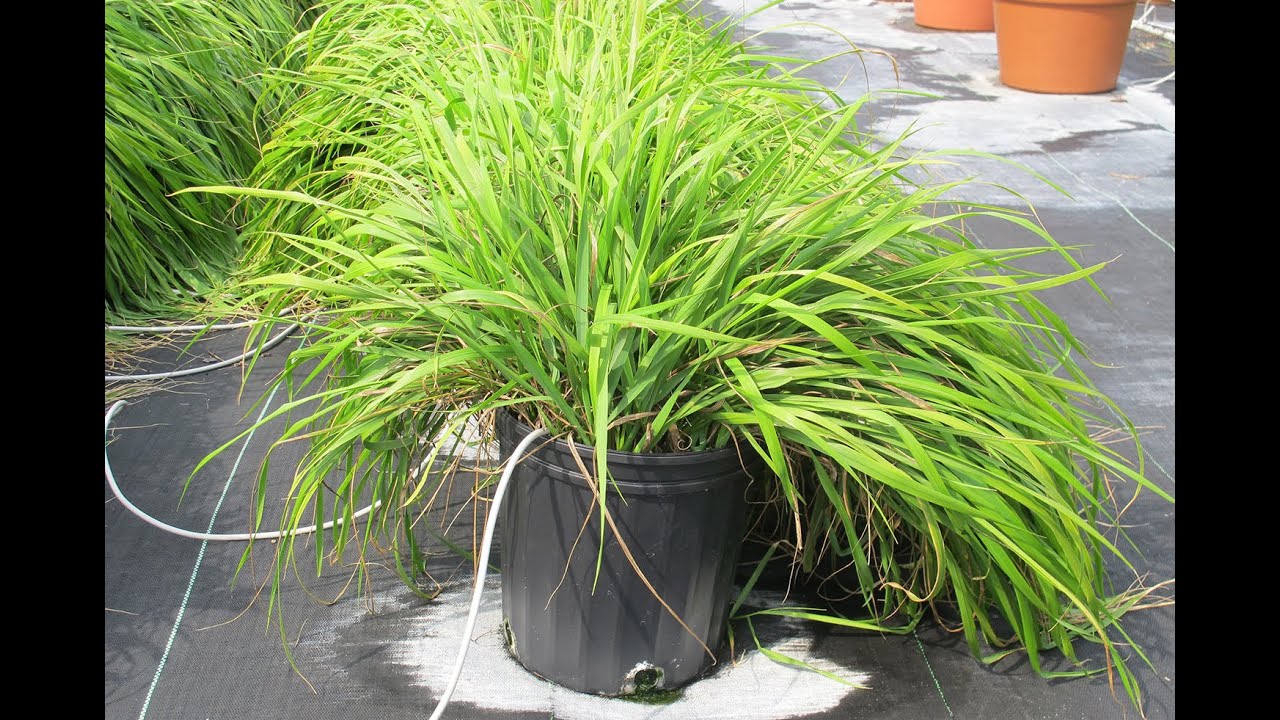
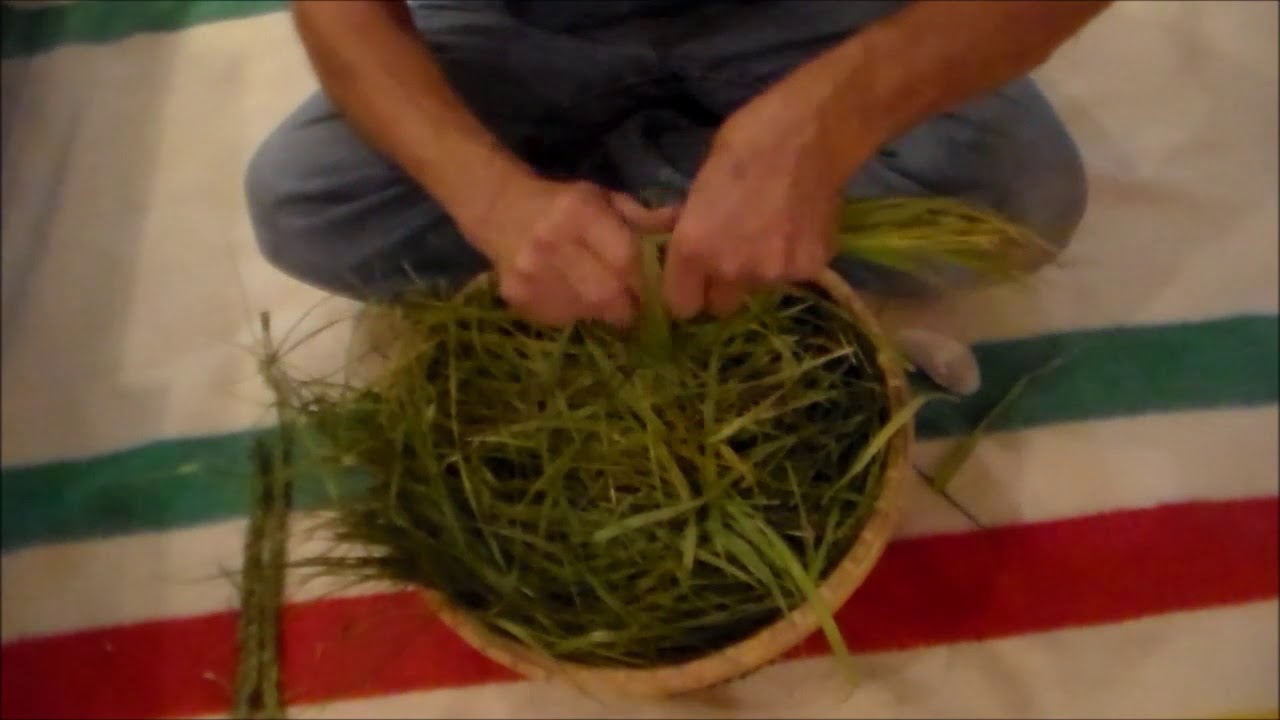
How to Braid Sweetgrass
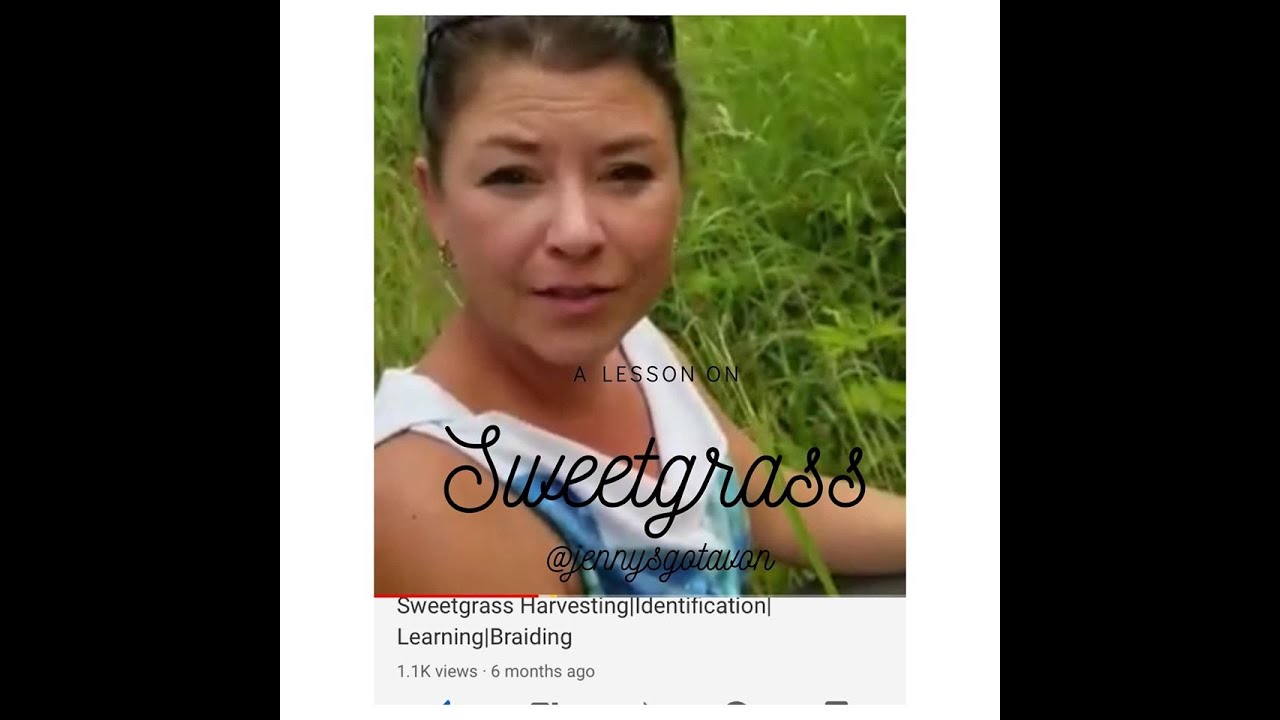
Sweetgrass Harvesting and Identification
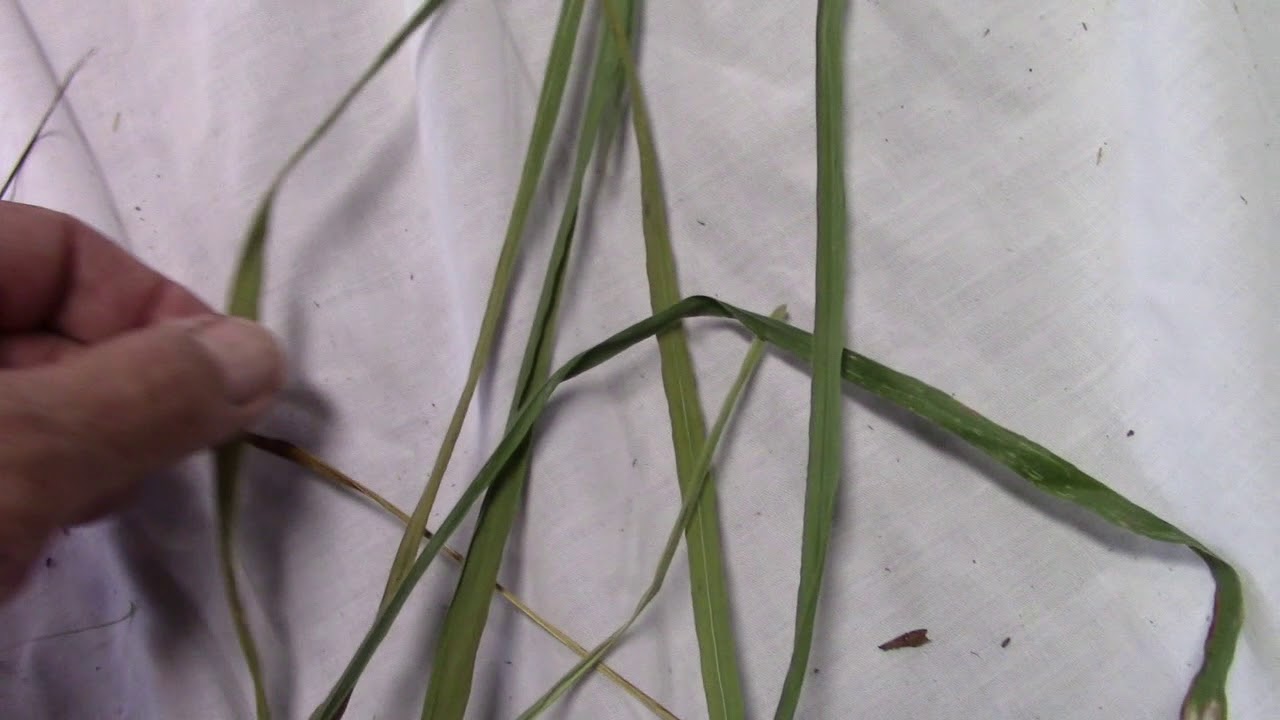
Identifying and Cleaning Sweetgrass after it has Dried
How to use:

Robin Kimmerer - Mishkos Kenomagwen: The Teachings of Grass

Sweet Grass, scientifically known as Hierochloe odorata, is a perennial herb native to North America, Europe, and Asia. This aromatic plant holds significant cultural, medicinal, and ecological importance. Known for its sweet vanilla-like fragrance, Sweet Grass has been used for centuries by various indigenous cultures for ceremonial purposes, crafting, and traditional medicine.
Botanical Characteristics
Sweet Grass is a member of the Poaceae family, commonly referred to as the grass family. It typically grows in moist, well-drained soils and can be found in meadows, prairies, and along riverbanks. The plant features:
- Height: Ranges from 30 to 60 centimeters (12 to 24 inches).
- Leaves: Long, narrow, and green with a glossy appearance.
- Flowers: Small, inconspicuous, and arranged in loose clusters.
- Roots: Rhizomatous, allowing the plant to spread and form dense mats.
The plant's distinctive sweet scent is due to the presence of coumarin, a natural compound that is released when the leaves are crushed or dried.
Cultural Significance
Sweet Grass holds a revered place in the traditions of many Native American tribes. It is often referred to as the "hair of Mother Earth" and is considered a sacred plant. Its uses include:
- Ceremonial Uses: Sweet Grass is commonly braided and burned as incense in purification rituals and ceremonies. The smoke is believed to attract positive energies and spirits.
- Crafting: The long, pliable leaves are used to weave baskets, mats, and other items. The braids are also worn as adornments or used in traditional regalia.
- Symbolism: Sweet Grass symbolizes healing, peace, and spirituality. It is often given as a gift to show respect and honor.
Medicinal Uses
Traditional medicine practices have utilized Sweet Grass for its various healing properties. Some of the medicinal uses include:
- Aromatherapy: The sweet scent is used to calm the mind and promote relaxation.
- Infusions and Teas: Sweet Grass can be brewed into teas to treat coughs, sore throats, and other respiratory issues.
- Topical Applications: Poultices made from the leaves are applied to wounds and skin irritations to promote healing.
While these traditional uses are well-documented, it is important to consult with a healthcare professional before using Sweet Grass for medicinal purposes.
Ecological Importance
Sweet Grass plays a vital role in its native ecosystems. Its dense root system helps to stabilize soil and prevent erosion, making it an important plant for maintaining healthy landscapes. Additionally, Sweet Grass provides habitat and food for various wildlife species, including insects and small mammals.
Cultivation and Harvesting
Growing Sweet Grass can be a rewarding experience for gardeners interested in native plants and traditional practices. Here are some tips for cultivation and harvesting:
- Site Selection: Choose a location with moist, well-drained soil and full to partial sunlight.
- Planting: Sweet Grass can be propagated from seeds or rhizome divisions. Plant seeds in the spring or fall, and rhizomes can be divided and planted at any time during the growing season.
- Watering: Keep the soil consistently moist, especially during dry periods.
- Maintenance: Sweet Grass is relatively low-maintenance but may require occasional weeding to prevent competition from other plants.
When harvesting Sweet Grass, it is important to do so sustainably. Only take what you need and leave enough for the plant to continue growing and reproducing. The best time to harvest is in the late summer when the leaves are at their peak fragrance.
Conservation and Ethical Considerations
As with many native plants, Sweet Grass faces threats from habitat loss, overharvesting, and environmental changes. Conservation efforts are essential to ensure the survival of this culturally and ecologically important species. Some steps to consider include:
- Supporting Conservation Programs: Participate in or donate to organizations dedicated to preserving native plants and their habitats.
- Sustainable Harvesting: Follow ethical guidelines when harvesting Sweet Grass to ensure its continued availability for future generations.
- Education and Awareness: Promote the importance of Sweet Grass and other native plants through education and community outreach.
Articles/Studies
Antioxidant
- Antioxidant activity of sweetgrass (Hierochloë odorata Wahlnb.) extract in lard and rapeseed oil emulsions
- Isolation, identification and activity of natural antioxidants from sweet grass (Hierochloe odorata), costmary (Chhrysanthemum balsamita) and horehound …
- Comparison of different extraction techniques for isolation of antioxidants from sweet grass (Hierochloe odorata)
- Effect of sweet grass (Hierochloe odorata) on the physico-chemical properties of liver cell membranes from rats intoxicated with ethanol