Codling Moth
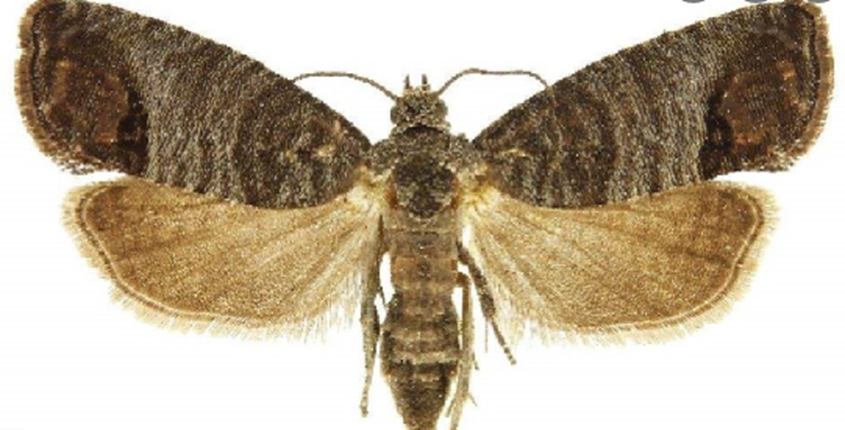
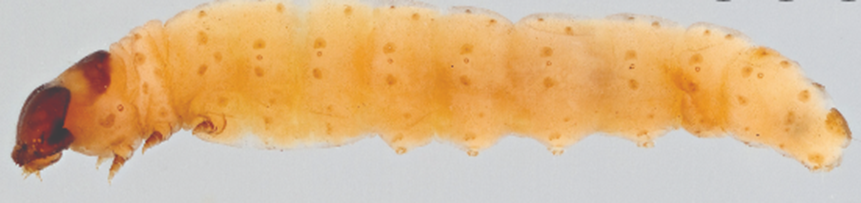
The codling moth (Cydia pomonella) is a significant pest that affects apple orchards and other fruit-bearing trees. Known for its destructive larvae, the codling moth is a major concern for fruit growers worldwide.
Life Cycle of the Codling Moth
The life cycle of the codling moth is crucial to understanding how to manage and control its population. The moth undergoes complete metamorphosis, which includes four stages: egg, larva, pupa, and adult.
- Egg Stage: Female moths lay eggs on fruit or leaves. The eggs are small, flat, and translucent, making them difficult to detect. Depending on the temperature, eggs hatch in 6 to 14 days.
- Larval Stage: Once hatched, the larvae, commonly known as "worms," bore into the fruit, feeding on the seeds and flesh. This stage is the most damaging, as it directly affects the fruit's marketability. The larval stage lasts about three to five weeks.
- Pupal Stage: After feeding, the larvae leave the fruit and find a sheltered place to pupate, often in the bark of trees or in the soil. The pupal stage can last from two weeks to several months, depending on environmental conditions.
- Adult Stage: Adult moths emerge from the pupae. They are small, grayish-brown moths with a wingspan of about 12 to 20 mm. Adults are active at dusk and are responsible for mating and laying eggs, thus continuing the cycle.
Damage Caused by Codling Moths
The primary damage caused by codling moths is due to the larval stage. As the larvae bore into the fruit, they create tunnels that lead to:
- Fruit Drop: Infested fruits often fall prematurely, reducing yield.
- Fruit Rot: The tunnels allow pathogens to enter, leading to rot.
- Marketability Issues: Damaged fruits are unsellable, leading to economic losses.
The presence of codling moths can significantly impact the quality and quantity of fruit production, making them a critical pest to manage.
Management Strategies
Effective management of codling moth populations requires an integrated approach. Here are some strategies that can be employed:
Cultural Controls
- Sanitation: Remove and destroy infested fruits to reduce the population of larvae.
- Tree Banding: Use bands around tree trunks to trap larvae as they move to pupate.
- Pruning: Regular pruning can help reduce hiding spots for pupae.
Biological Controls
- Natural Predators: Encourage the presence of natural predators such as birds and beneficial insects that feed on codling moths.
- Parasitoids: Introduce parasitoid wasps that target codling moth eggs and larvae.
Chemical Controls
- Insecticides: Use insecticides judiciously, targeting the egg and early larval stages. Timing is crucial to minimize impact on beneficial insects.
- Mating Disruption: Deploy pheromone traps to confuse male moths and reduce mating success.
Monitoring and Timing
- Pheromone Traps: Use traps to monitor moth activity and determine the best timing for control measures.
- Degree-Day Models: Utilize degree-day models to predict moth development stages and optimize intervention timing.
Challenges in Management
Managing codling moth populations is challenging due to their ability to develop resistance to insecticides and their overlapping generations. Additionally, climate change can alter their life cycle, making traditional control methods less effective. Therefore, continuous monitoring and adaptation of management strategies are essential.