Ear or Hearing Problems
Ear or Hearing Problems
Ear and hearing problems may affect the outer, middle, or inner ear, the auditory nerve, or the brain’s ability to interpret sound. They can be temporary or persistent, and may result from infection, inflammation, injury, medication effects, aging, noise exposure, circulation problems, or neurological conditions.
Common Problems
- Earwax buildup (cerumen impaction): May cause muffled hearing, fullness, itching, tinnitus, or discomfort.
- Outer-ear inflammation (otitis externa): Often associated with pain, itching, drainage, or tenderness when the ear is touched.
- Middle-ear infection or fluid: May cause pressure, pain, fever, reduced hearing, or balance symptoms.
- Eustachian-tube dysfunction: Can produce popping, fullness, pressure, and fluctuating hearing, especially after respiratory infections or changes in altitude.
- Tinnitus: Hearing ringing, buzzing, hissing, or other sounds without an external source.
- Hearing loss: May be conductive, sensorineural, mixed, sudden, temporary, or progressive.
- Vertigo and balance disturbances: Ear-related balance problems may occur with nausea, unsteadiness, or a spinning sensation.
- Perforated eardrum or ear injury: May follow infection, pressure changes, foreign objects, or trauma and can cause pain, drainage, or hearing loss.
Symptoms and Warning Signs
Possible symptoms include diminished or distorted hearing, earache, itching, fullness or pressure, discharge, ringing, dizziness, imbalance, sensitivity to sound, and difficulty understanding speech—especially in noisy environments.
Seek prompt medical evaluation for sudden hearing loss, severe pain, blood or pus drainage, high fever, facial weakness, severe dizziness, swelling behind the ear, a foreign object, or symptoms following a head injury. Sudden sensorineural hearing loss is time-sensitive and should not be managed solely with home remedies.
Causes and Risk Factors
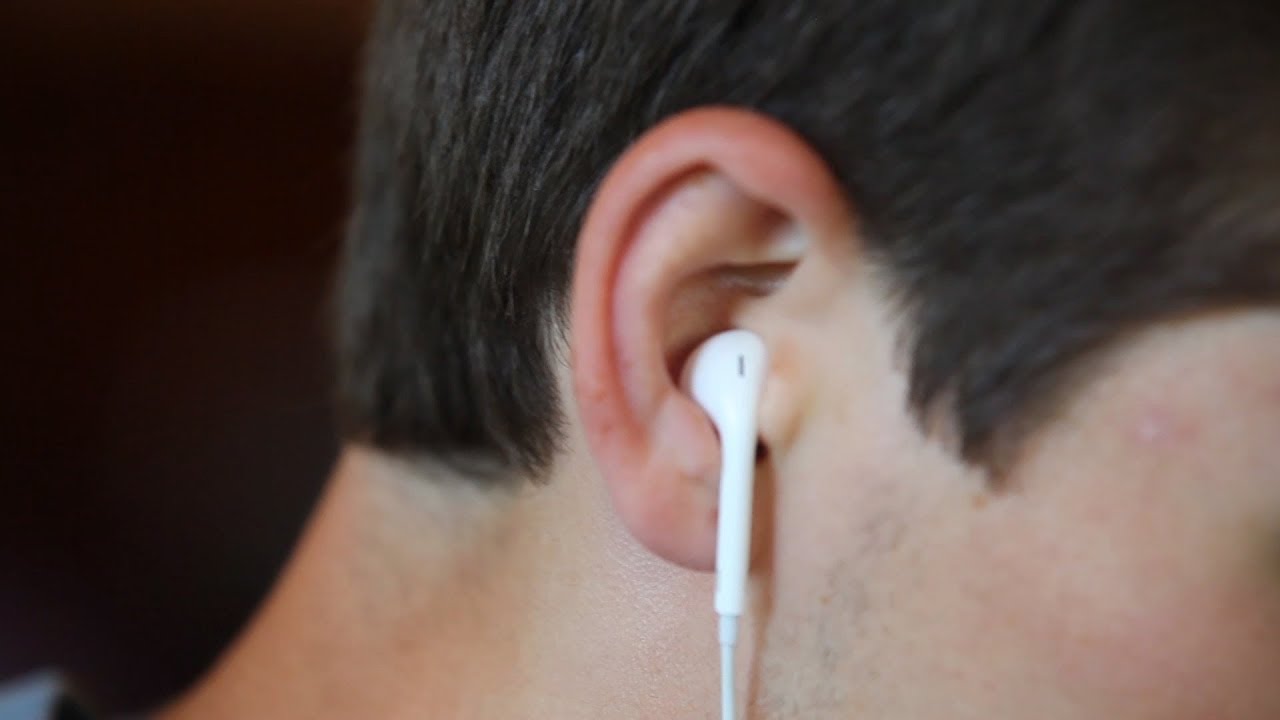
- Repeated or intense noise exposure, including concerts, machinery, firearms, and loud headphones
- Aging and hereditary susceptibility
- Viral or bacterial infections and allergies
- Earwax impaction, anatomical blockage, or pressure changes
- Diabetes, vascular disease, autoimmune disorders, and neurological conditions
- Head trauma or barotrauma
- Smoking and some medications that can damage the auditory system
Evaluation and Diagnosis
A clinician may examine the ear canal and eardrum, review symptoms and medication use, and perform hearing or pressure testing. Further assessment may be needed for persistent tinnitus, recurrent infections, vertigo, one-sided symptoms, or unexplained hearing loss. Diagnosis should precede treatment, particularly before putting oils, herbs, or other substances into the ear.
Prevention and Hearing Protection
- Keep headphone volume moderate and take listening breaks.
- Wear properly fitted hearing protection around hazardous noise.
- Never insert cotton swabs, hairpins, or other objects into the ear canal.
- Keep the ears dry when prone to outer-ear infections, while avoiding aggressive cleaning.
- Treat respiratory infections and allergies appropriately when they contribute to congestion.
- Review potentially ototoxic medicines with a qualified clinician; do not stop prescribed medication independently.
- Arrange hearing checks when hearing changes, tinnitus, communication difficulty, or occupational noise exposure is present.
General Treatment Approaches
Treatment depends on the cause and may include clinician-directed earwax removal, prescription medicine for selected infections or inflammation, management of allergies or congestion, hearing aids or assistive devices, tinnitus counseling or sound therapy, vestibular rehabilitation, or surgery for structural problems. Antibiotics and steroid medicines are not appropriate for every ear complaint and should be used only under professional guidance.
Plant-Based Therapeutics and Safety
Plant-based products may be investigated for anti-inflammatory, antimicrobial, antioxidant, or neuroprotective effects, but evidence for treating hearing loss, tinnitus, or ear infections remains condition-specific and limited. Herbal products can interact with medicines, vary in strength and purity, and may be unsafe for children, pregnancy, allergies, or chronic disease.
- Do not place essential oils, garlic, herbal extracts, or homemade preparations into the ear unless specifically advised by a qualified healthcare professional.
- Never use an ear preparation when a perforated eardrum, ear tubes, drainage, or significant pain is possible.
- Use only products with reliable identification, quality control, and documented dosing.
- Treat plant-based products as complementary—not a substitute for urgent evaluation or established treatment.
Self-Care Boundaries
For mild symptoms, rest, hydration, avoiding loud noise, and using only clinician-approved pain relief may be reasonable. Avoid ear candling, probing the canal, and delaying care for worsening or persistent symptoms. A hearing assessment is appropriate when symptoms last, recur, affect communication, or occur on one side.
Videos
How to protect your hearing
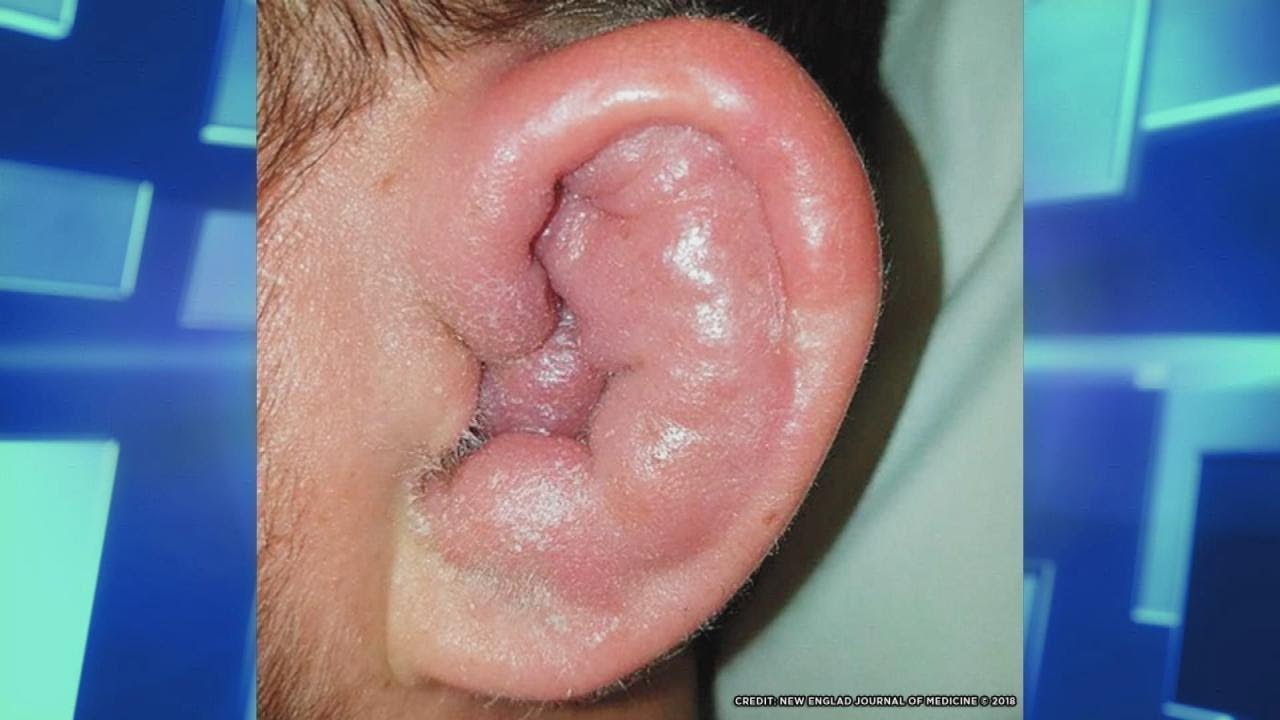
Ear Swelling and Eye Discoloration Explained

How to Protect Your Hearing
Determine If Ear Cartilage Is Infected | Ear Problems
If You Use Headphones or Earphones Often, Then Watch this For Your Own Sake
Why do my ears pop?
Articles/Studies
Your IQ may determine how well you hear in a crowd. New research reveals that intelligence plays a key role in how well people process speech in noisy environments. The study compared neurotypical and neurodivergent individuals and found that cognitive ability predicted performance across all groups. This challenges the idea that listening struggles are solely due to hearing loss, emphasizing the brain’s role in decoding complex soundscapes.
Chronic exposure to electromagnetic waves results in neuronal degeneration of the auditory system.
Scientists develop method to repair damaged structures deep inside the ear