LFTs - Liver Function Tests & Interpretation
Normal blood test results for typical liver function tests include:
- ALT. 7 to 55 units per liter (U/L)
- AST. 8 to 48 U/L.
- ALP. 45 to 115 U/L.
- Albumin. 3.5 to 5.0 grams per deciliter (g/dL)
- Total protein. 6.3 to 7.9 g/dL.
- Bilirubin. 0.1 to 1.2 milligrams per deciliter (mg/dL)
- GGT. 9 to 48 U/L.
- LD. 122 to 222 U/L.
VIDEOS:
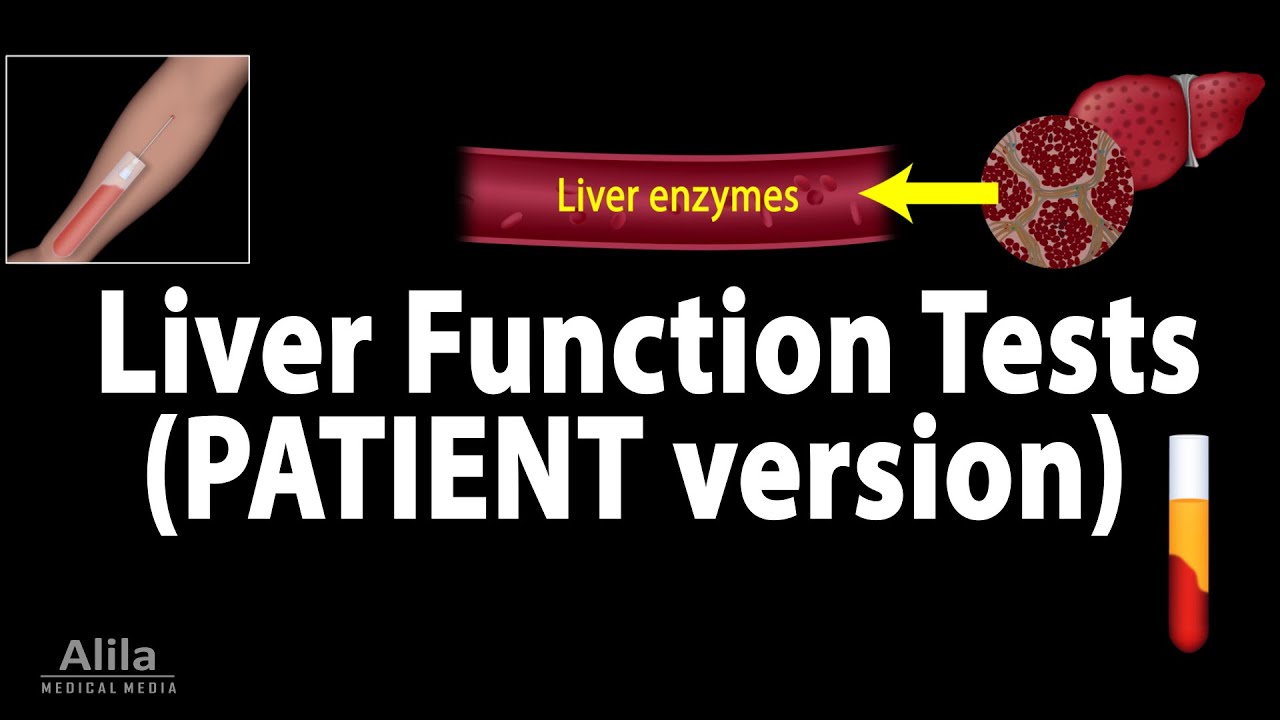


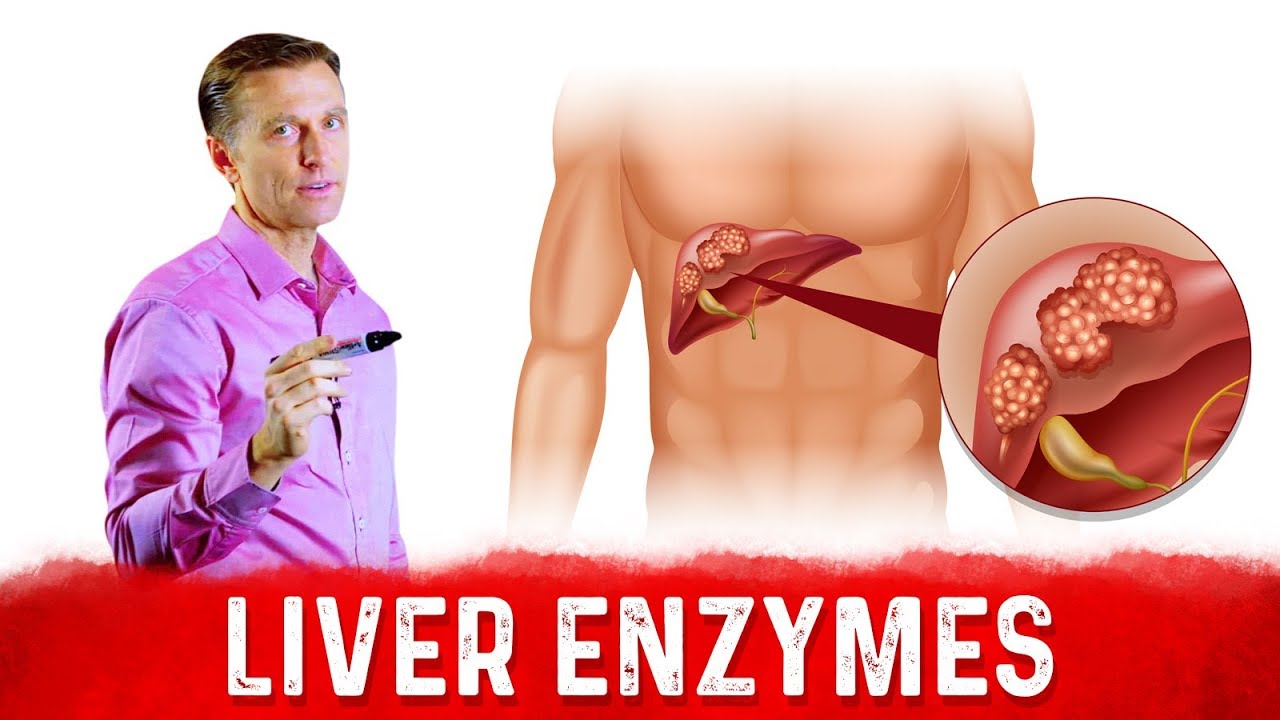

Test for liver function problems | Blood test to detect liver | lft, Alt, alp, ast, ggt
Liver Tests: Use and Interpretation
Interpretation of LFTs (Liver Function Tests)
Liver Function Tests (LFTs) are a group of blood tests that provide valuable information about the state of a person's liver. These tests help in diagnosing liver diseases, monitoring the progression of liver conditions, and evaluating the effectiveness of treatment.
Components of Liver Function Tests
LFTs typically include several different tests, each measuring specific enzymes, proteins, and substances in the blood. The key components of LFTs are:
- Alanine Aminotransferase (ALT):
- ALT is an enzyme found primarily in the liver. High levels of ALT in the blood can indicate liver damage or inflammation.
- Aspartate Aminotransferase (AST):
- AST is an enzyme found in the liver, heart, and other muscles. Elevated AST levels can suggest liver damage, but they are not as specific to the liver as ALT.
- Alkaline Phosphatase (ALP):
- ALP is an enzyme related to the bile ducts. High levels can indicate bile duct obstruction or liver disease.
- Bilirubin:
- Bilirubin is a waste product from the breakdown of red blood cells. Elevated bilirubin levels can lead to jaundice and may indicate liver dysfunction or bile duct problems.
- Albumin:
- Albumin is a protein made by the liver. Low levels can suggest liver disease or other conditions affecting protein synthesis.
- Total Protein:
- This test measures the total amount of protein in the blood, including albumin and globulin. Abnormal levels can indicate liver or kidney disease.
- Gamma-Glutamyl Transferase (GGT):
- GGT is an enzyme that can indicate bile duct problems or liver disease. It is often used to differentiate between liver and bone disease when ALP levels are elevated.
Interpretation of LFT Results
Interpreting LFT results requires understanding the normal ranges and what deviations from these ranges might indicate. Here are some general guidelines:
- Elevated ALT and AST:
- These enzymes are markers of liver cell injury. High levels can indicate acute liver damage, such as from viral hepatitis, alcohol abuse, or drug toxicity.
- Elevated ALP and GGT:
- These enzymes are associated with bile duct function. Elevated levels can suggest bile duct obstruction, liver disease, or bone disorders.
- High Bilirubin Levels:
- Elevated bilirubin can cause jaundice and may indicate liver dysfunction, hemolysis, or bile duct obstruction.
- Low Albumin Levels:
- Low albumin can suggest chronic liver disease, malnutrition, or kidney disease.
- Abnormal Total Protein Levels:
- Changes in total protein levels can indicate liver disease, kidney disease, or nutritional issues.
Common Liver Conditions Detected by LFTs
LFTs can help diagnose and monitor several liver conditions, including:
- Hepatitis:
- Inflammation of the liver, often caused by viral infections (e.g., hepatitis A, B, C).
- Cirrhosis:
- Chronic liver damage leading to scarring and liver dysfunction.
- Fatty Liver Disease:
- Accumulation of fat in liver cells, often associated with obesity and alcohol use.
- Liver Cancer:
- Malignant tumors in the liver, which can be primary or secondary (metastatic).
- Bile Duct Obstruction:
- Blockage of the bile ducts, which can be due to gallstones, tumors, or strictures.
Factors Affecting LFT Results
Several factors can influence LFT results, including:
- Medications:
- Certain drugs can affect liver enzyme levels, such as acetaminophen, statins, and antibiotics.
- Alcohol Consumption:
- Excessive alcohol intake can elevate liver enzymes and cause liver damage.
- Diet and Nutrition:
- Malnutrition or a high-fat diet can impact liver function and LFT results.
- Exercise:
- Intense physical activity can temporarily elevate liver enzymes.
Limitations of LFTs
While LFTs are valuable tools, they have limitations:
- Non-Specificity:
- Elevated liver enzymes can result from conditions unrelated to the liver, such as muscle injury or heart disease.
- Lack of Severity Indication:
- LFTs do not always correlate with the severity of liver disease. Further testing, such as imaging or biopsy, may be needed.
- Variability:
- LFT results can vary based on individual factors, such as age, sex, and genetics.