Galectin-3
Videos
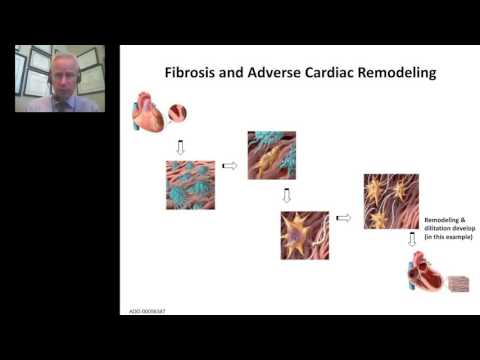
Peter McCullough - Galectin 3 A Step Towards a Clearer Pathway in Heart Failure Management
Galectin-3 and Biofilms

Galectin-3: A Conductor in the Cancer-Driving Orchestra

Galectin-3: A New Target For Inflammation with Dr Isaac Eliaz
Peter McCullough - Galectin 3 A Step Towards a Clearer Pathway in Heart Failure Management
Galectin-3 and Modified Citrus Pectin
Galectin 3: The "Protein of Death's" Crazy Life
What is the role of Galectin-3 in cancer?
Galectin-3 is a member of the galectin family, which are beta-galactoside-binding proteins involved in various cellular functions. This protein is encoded by the LGALS3 gene in humans and is expressed in a wide range of tissues and cell types. Galectin-3 plays a crucial role in numerous biological processes, including cell growth, apoptosis, inflammation, and fibrosis. Its involvement in these processes makes it a significant focus of research, particularly in the context of cancer, cardiovascular diseases, and fibrotic disorders.
Structure and Function
Galectin-3 is characterized by its carbohydrate recognition domain (CRD), which allows it to bind to beta-galactoside sugars. This binding capability is essential for its role in cell-cell and cell-matrix interactions. The protein can exist in both intracellular and extracellular environments, where it performs distinct functions:
- Intracellular Functions: Within the cell, galectin-3 is involved in regulating cell growth and apoptosis. It can interact with various intracellular proteins to influence signaling pathways that control these processes.
- Extracellular Functions: Outside the cell, galectin-3 can bind to cell surface glycoproteins and extracellular matrix components, influencing cell adhesion, migration, and immune responses.
Role in Disease
Galectin-3 has been implicated in several diseases due to its diverse biological functions:
Cancer
In cancer, galectin-3 is known to promote tumor progression and metastasis. It can enhance cancer cell adhesion, migration, and invasion, contributing to the spread of cancer cells. Additionally, galectin-3 can modulate the immune response, potentially allowing cancer cells to evade immune detection. Its expression levels are often elevated in various cancers, making it a potential biomarker for diagnosis and prognosis.
Cardiovascular Diseases
Galectin-3 is also associated with cardiovascular diseases, particularly heart failure. It is involved in the process of cardiac remodeling, where it contributes to fibrosis and inflammation. Elevated levels of galectin-3 in the blood have been linked to worse outcomes in heart failure patients, and it is being explored as a biomarker for risk stratification and treatment monitoring.
Fibrotic Disorders
Fibrosis, the excessive accumulation of connective tissue, is a common feature of many chronic diseases. Galectin-3 plays a significant role in the development of fibrosis in organs such as the liver, lungs, and kidneys. It promotes the activation of fibroblasts and the deposition of extracellular matrix components, leading to tissue scarring and dysfunction.
Therapeutic Potential
Given its involvement in various diseases, galectin-3 is a target for therapeutic intervention. Researchers are exploring several strategies to modulate its activity:
- Inhibitors: Small molecule inhibitors that block the CRD of galectin-3 are being developed to prevent its interaction with glycoproteins. These inhibitors have shown promise in preclinical models of cancer and fibrosis.
- Antibodies: Monoclonal antibodies targeting galectin-3 are another approach being investigated. These antibodies can neutralize the protein's activity and potentially reduce disease progression.
- Gene Therapy: Techniques to downregulate the expression of galectin-3 at the genetic level are also under exploration, aiming to reduce its pathological effects.