Ohio Spiderwort
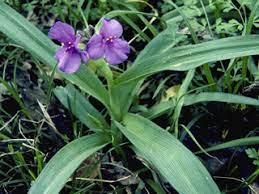
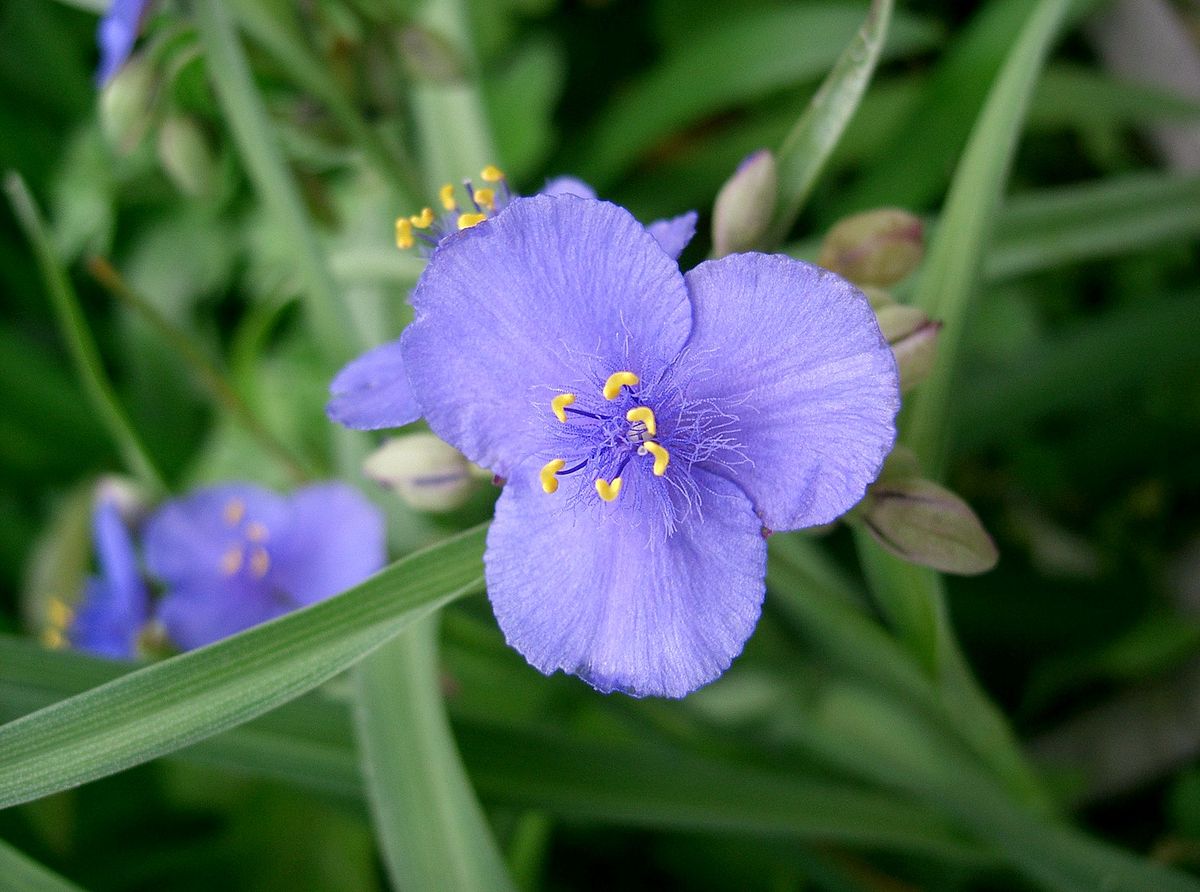
Ohio Spiderwort, scientifically known as Tradescantia ohiensis, is a perennial herbaceous plant native to North America. This plant is part of the Commelinaceae family and is widely appreciated for its striking blue to violet flowers and its adaptability to various growing conditions.
Botanical Characteristics
Appearance
Ohio Spiderwort typically grows to a height of 1 to 3 feet. The plant features long, grass-like leaves that are arranged alternately along the stem. These leaves are linear to lanceolate, measuring about 8 to 15 inches in length and 0.5 to 1 inch in width. The stems are smooth, round, and can be either green or slightly bluish.
Flowers
The most distinctive feature of Ohio Spiderwort is its flowers. The blooms are usually blue to violet, although they can occasionally be pink or white. Each flower has three petals and six yellow stamens, which are covered in fine hairs. The flowers are about 1 to 2 inches in diameter and are arranged in clusters at the ends of the stems. They typically bloom from late spring to early summer, with each flower lasting only a single day.
Fruit and Seeds
After flowering, Ohio Spiderwort produces small, capsule-like fruits that contain several seeds. These seeds are brown and somewhat triangular in shape, aiding in the plant's propagation.
Habitat
Ohio Spiderwort is highly adaptable and can be found in a variety of habitats. It thrives in prairies, open woodlands, roadsides, and even disturbed areas. The plant prefers well-drained soils and can tolerate both full sun and partial shade. It is commonly found in the eastern and central United States, extending from the Great Lakes region down to Texas and Florida.
Cultivation
Soil and Light Requirements
Ohio Spiderwort is relatively easy to cultivate. It prefers well-drained, sandy or loamy soils but can also grow in clay soils if they are not waterlogged. The plant thrives in full sun to partial shade, making it versatile for different garden settings.
Watering and Maintenance
Once established, Ohio Spiderwort is drought-tolerant and requires minimal watering. However, during prolonged dry periods, occasional watering can help maintain its vigor. The plant is also low-maintenance, requiring little more than occasional deadheading to encourage prolonged blooming.
Propagation
Ohio Spiderwort can be propagated through seeds, division, or cuttings. Seeds should be sown in the fall or early spring, while division is best done in the spring or fall. Cuttings can be taken during the growing season and rooted in a moist, well-drained medium.
Ecological Significance
Pollinators
Ohio Spiderwort plays a crucial role in supporting local ecosystems. Its flowers attract a variety of pollinators, including bees, butterflies, and other insects. The plant provides a valuable nectar source, particularly in the early summer when other nectar sources may be scarce.
Wildlife
In addition to pollinators, Ohio Spiderwort also supports other wildlife. The plant's foliage provides cover for small animals, and its seeds are a food source for birds and small mammals.
Soil Health
Ohio Spiderwort contributes to soil health by preventing erosion with its extensive root system. The plant also improves soil structure and fertility, making it a beneficial addition to natural and managed landscapes.
Uses
Ornamental
Due to its attractive flowers and low maintenance requirements, Ohio Spiderwort is a popular choice for ornamental gardens. It can be used in borders, wildflower gardens, and naturalized areas. The plant's ability to thrive in various conditions makes it a versatile addition to any garden.
Medicinal
Historically, Native American tribes used Ohio Spiderwort for medicinal purposes. The plant was used to treat a variety of ailments, including stomachaches, insect bites, and skin conditions. While not commonly used in modern herbal medicine, its historical significance is noteworthy.
The plant's crushed leaves are purported to alleviate the sting of insect bites while a tea made out of boiled roots has use as a laxative. A tea was made for stomachaches caused by overeating. A root poultice was used for cancer.
Edibility
Its leaves do not change in flavor as the plant ages. The leaves are good for salads as well, or in soup and stews but they are mucilaginous. The stems can be braised like asparagus. The flowers can be turned into a candy. The Cherokee parboiled the young growth until tender, fried it and mixed it with other greens.