Common Stump Brittlestem
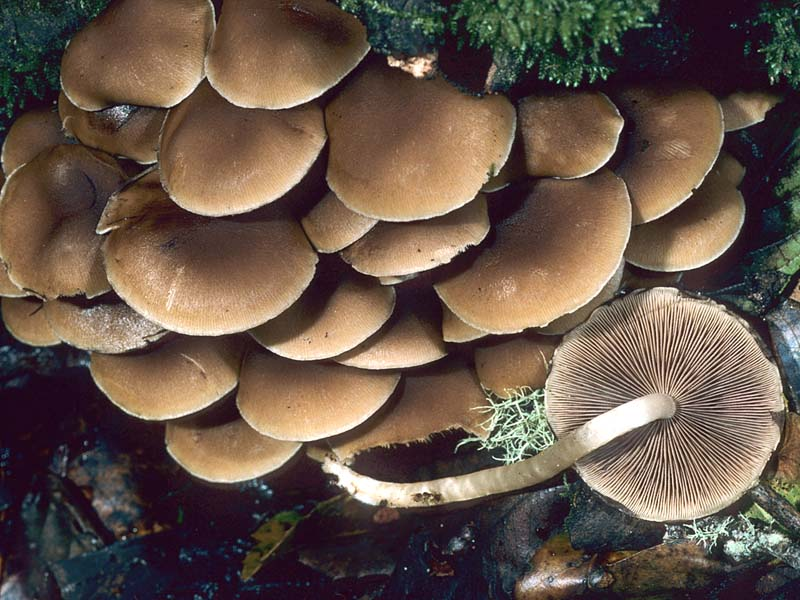
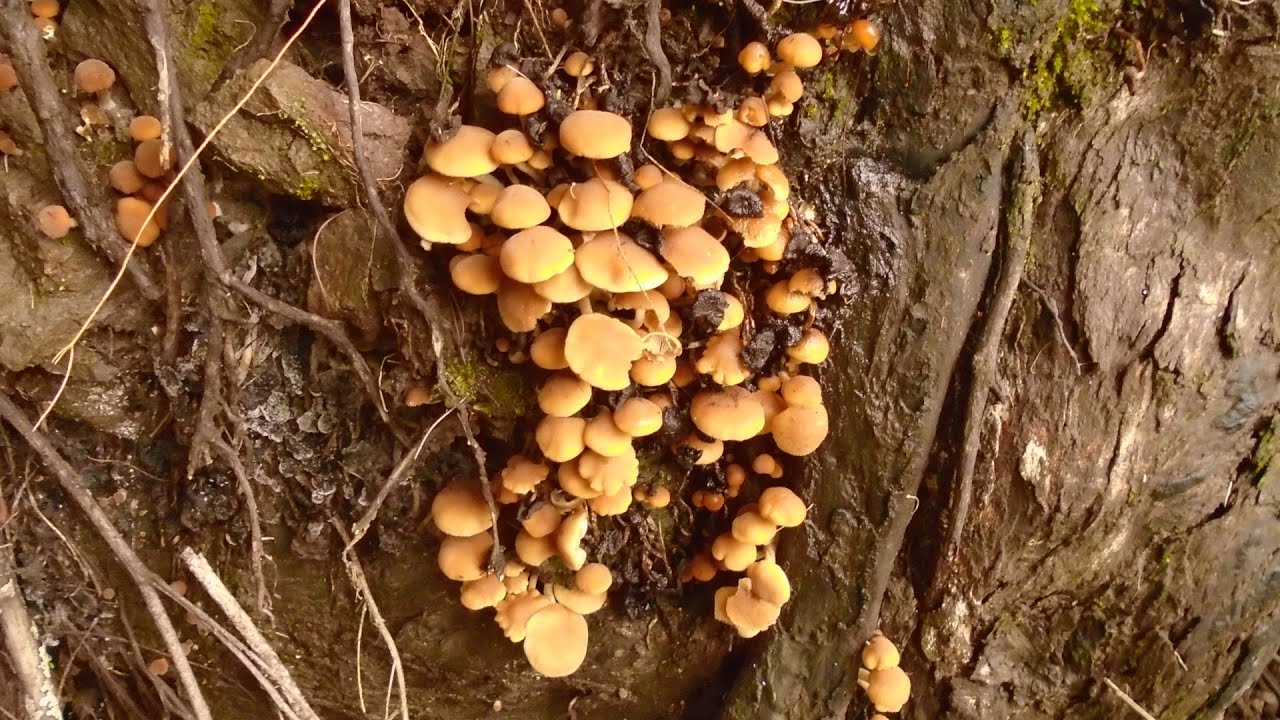
This mushroom is widely recognized for its delicate structure and its tendency to grow on decaying wood, particularly stumps and fallen logs.
Identification
Identifying the Common Stump Brittlestem can be a rewarding experience for both amateur and seasoned mycologists. Here are some key characteristics to look for:
- Cap: The cap of Psathyrella piluliformis is typically 2-5 cm in diameter. It starts off hemispherical and gradually flattens out as it matures. The color ranges from a dark reddish-brown when young to a lighter tan or buff as it ages. The cap surface is smooth and often sticky when wet.
- Gills: The gills are closely spaced and initially white, turning to a dark brown or black as the spores mature. They are free from the stem.
- Stem: The stem is slender, measuring 3-8 cm in height and about 0.3-0.5 cm in diameter. It is fragile, hollow, and often has a whitish to pale brown color.
- Spore Print: The spore print is a crucial identification feature, and for Psathyrella piluliformis, it is dark brown to black.
- Odor and Taste: This mushroom has a mild odor and taste, which are not particularly distinctive.
Habitat
Psathyrella piluliformis is saprobic, meaning it feeds on decaying organic matter. It is commonly found in temperate regions across North America and Europe. The preferred habitat includes:
- Decaying hardwood stumps and logs, particularly those of oak, beech, and other broadleaf trees.
- Moist, shaded environments such as forests, woodlands, and sometimes urban parks.
- It often appears in clusters, making it easier to spot.
Ecological Role
The Common Stump Brittlestem plays a vital role in forest ecosystems. As a saprobic fungus, it contributes to the decomposition of dead wood, facilitating nutrient cycling and soil formation. This process is essential for maintaining the health and sustainability of forest habitats. By breaking down complex organic materials, Psathyrella piluliformis helps release nutrients back into the soil, which can then be utilized by plants and other organisms.
Potential Uses
While Psathyrella piluliformis is not considered a choice edible mushroom due to its fragile nature and lack of substantial flavor, it does have some potential uses:
- Ecological Studies: This mushroom can be used as an indicator species in ecological studies to assess the health of forest ecosystems and the effectiveness of decomposition processes.
- Educational Purposes: Due to its distinctive features and common occurrence, it serves as an excellent specimen for teaching mycology and fungal identification.
- Biodiversity Conservation: Understanding the role of Psathyrella piluliformis in forest ecosystems can aid in biodiversity conservation efforts, highlighting the importance of preserving decaying wood habitats.
Similar Species
There are several species that can be confused with Psathyrella piluliformis, including:
- Psathyrella candolleana: This species has a similar appearance but typically grows on soil rather than wood.
- Psathyrella spadiceogrisea: Another look-alike, which can be distinguished by its more robust and less fragile structure.
- Hypholoma fasciculare: Known as the Sulphur Tuft, it has a more vibrant yellow color and grows in similar habitats.