Plastic
Videos
Plasticized - documentary
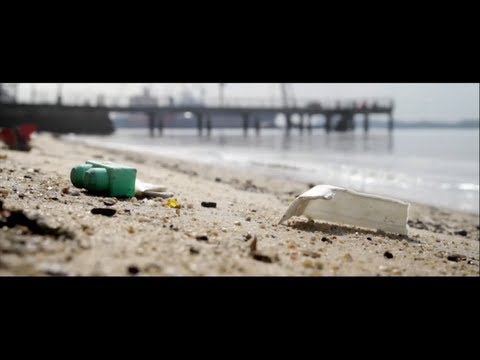
The bacteria that can digest plastic:
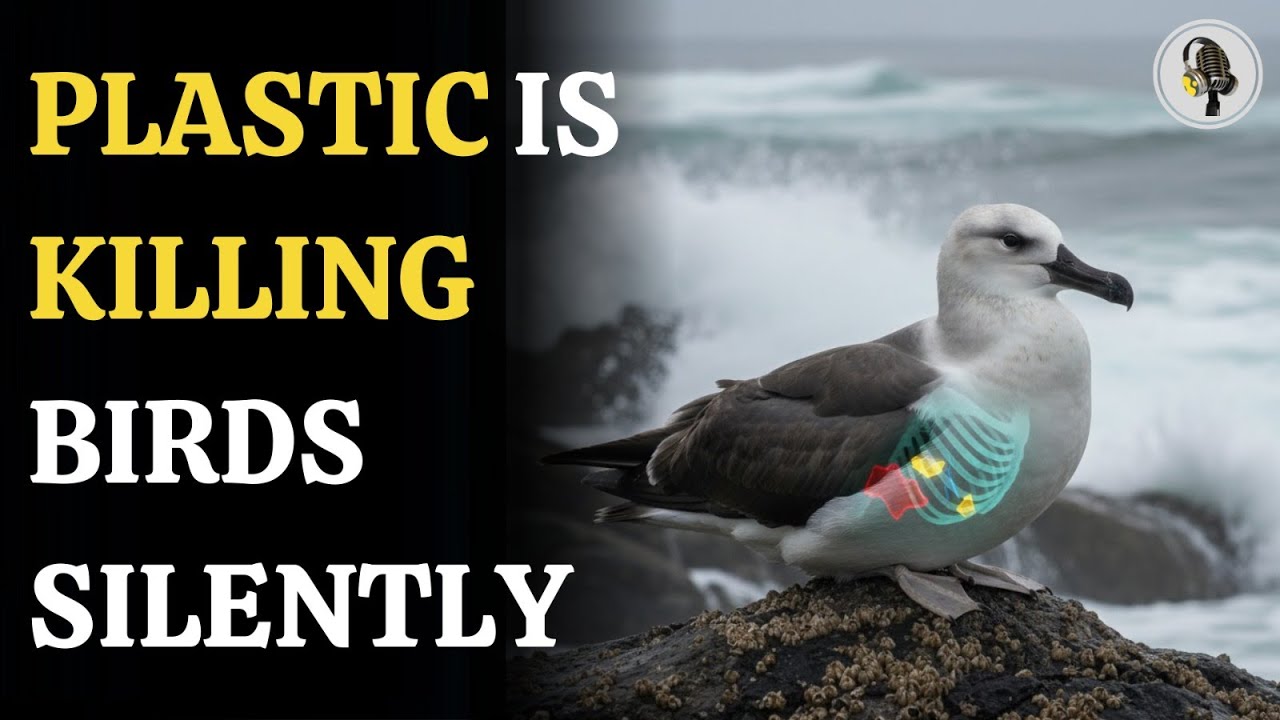
Endocrine Disrupting Chemicals in Plastic
Air Pollution
April 2023 Video Meet The Plastic Eating Worms
Nov 2022 Talks for a global plastics treaty get underway in Uruguay
Special report: A Plastic Tide
How much Plastic are you Eating?
A Menace on Your Health
Negative Health Effects
What Will It Take To Sustainably Recycle Our Plastic?
Plastic in Water Making us Genderless
3 Unexpected Effects of Plastic Pollution (video)
Kenyan company makes petrol from plastic
Black Plastic is Everywhere and it Doesn't Get Recycled - Here's Why
Report shows we're consuming 'a credit card' worth of plastic each week
Scientists create a plastic that's infinitely recyclable
Plastic has become an integral part of modern life, offering convenience and versatility in various applications, particularly in food packaging. However, the widespread use of plastic has raised significant concerns about its impact on food safety due to the potential leaching of toxins.
The Role of Plastic in Food Packaging
Plastic is widely used in food packaging due to its lightweight, durable, and cost-effective nature. It helps in preserving food, extending shelf life, and providing a barrier against contaminants. Common types of plastics used in food packaging include:
- Polyethylene terephthalate (PET)
- High-density polyethylene (HDPE)
- Polyvinyl chloride (PVC)
- Low-density polyethylene (LDPE)
- Polypropylene (PP)
- Polystyrene (PS)
Each type of plastic has specific properties that make it suitable for different packaging needs, from bottles and containers to wraps and films.
Toxins Associated with Plastic
Despite its benefits, plastic can pose health risks due to the presence of harmful chemicals that may leach into food. Some of the most concerning toxins include:
Bisphenol A (BPA)
BPA is a chemical used in the production of polycarbonate plastics and epoxy resins. It is commonly found in water bottles, food containers, and the lining of metal cans. BPA is known to mimic estrogen and can disrupt the endocrine system, potentially leading to reproductive issues, developmental problems, and increased cancer risk.
Phthalates
Phthalates are a group of chemicals used to make plastics more flexible and durable. They are often found in food packaging, plastic wraps, and processing equipment. Phthalates can leach into food, especially fatty foods, and have been linked to hormonal disruptions, reproductive health issues, and developmental problems in children.
Styrene
Styrene is a chemical used in the production of polystyrene, commonly known as Styrofoam. It is used in disposable food containers, cups, and cutlery. Styrene exposure has been associated with various health issues, including respiratory problems, skin irritation, and potential carcinogenic effects.
Factors Influencing Toxin Leaching
Several factors can influence the leaching of toxins from plastic into food:
- Temperature: Higher temperatures can increase the rate of chemical leaching. Heating food in plastic containers, especially in microwaves, can exacerbate this issue.
- Type of Food: Fatty and acidic foods are more likely to absorb chemicals from plastic.
- Duration of Contact: Prolonged contact between food and plastic increases the likelihood of chemical transfer.
- Condition of Plastic: Damaged or degraded plastic is more prone to leaching chemicals.
Mitigating Exposure to Plastic Toxins
To reduce exposure to plastic-related toxins in foods, consider the following strategies:
- Choose Safer Alternatives: Opt for glass, stainless steel, or ceramic containers for food storage and heating.
- Avoid Heating Plastic: Do not microwave food in plastic containers or use plastic wrap in the oven.
- Check Recycling Codes: Look for recycling codes on plastic products. Avoid plastics marked with codes 3 (PVC), 6 (PS), and 7 (other), as they are more likely to contain harmful chemicals.
- Limit Use of Single-Use Plastics: Reduce reliance on disposable plastic items, such as cutlery, plates, and cups.
- Support BPA-Free Products: Choose products labeled as BPA-free, though be aware that alternatives may also have health concerns.
ARTICLES/STUDIES
Recycling Plastic A ‘Failed Concept’ – Greenpeace
Goodbye Microplastics: New Recyclable Plastic Breaks Down Safely in Seawater
Can a Future Fleet of Robotic Fish Clean Up the Ocean?
A New Approach for Recycling Plastics
Alternatives to Plastic Straws: Which Materials Are Best?
Sunlight can break down marine plastic into tens of thousands of chemical compounds
From Plastic to Pure Water: Scientists Turn Trash Into a Super Catalyst
An optimized mechanochemical process produces multifunctional composite particles that remove pollutants from water. Scientists are increasingly turning to sunlight as a powerful ally in cleaning up polluted water.
It's Worth It to Live a Life Without Plastic: Here's Why
Worrying New Insights Into the Chemicals in Plastics – Significant Risk to People and the Environment
Bacteria serves tasty solution to global plastic crisis E. coli tunrs plastic into vanillin.
Innovative New Technology Converts Waste Plastics to Jet Fuel – In Just an Hour
Plastic Pollution Is Everywhere: Research Reveals How It Travels
How Plastic Debris Makes Its Way Into Ocean Garbage Patches
Sustainable Plastics: Scientists Make Versatile Polymer From Sugars in Wood
Discovery of a New Molecule Advances Route to Chemically Recyclable Plastics
New Recycling Process Could Cut Down on Millions of Tons of Plastic Waste
Tough New Bioinspired Material to Replace Petroleum-Based Plastics
Here's How Much Plastic You're Eating Each Week (4/15/20)
Industrial plastics found in some fast food, researchers say
How to tell which plastics are safe to use for food and drinks (food grade)
The “BPA-Free” Marketing Scam: Why Plastic Is Still Toxic And Filled With Chemicals
These Non-Plastic Bags Provide Food To Animals
Its Raining Plastic in Colorado - Aug. 2019
Polyethylene bio-degradation by caterpillars of the wax moth Galleria mellonella.