Floristry
Making everyday life extraordinary -- with flowers | Pim van den Akker
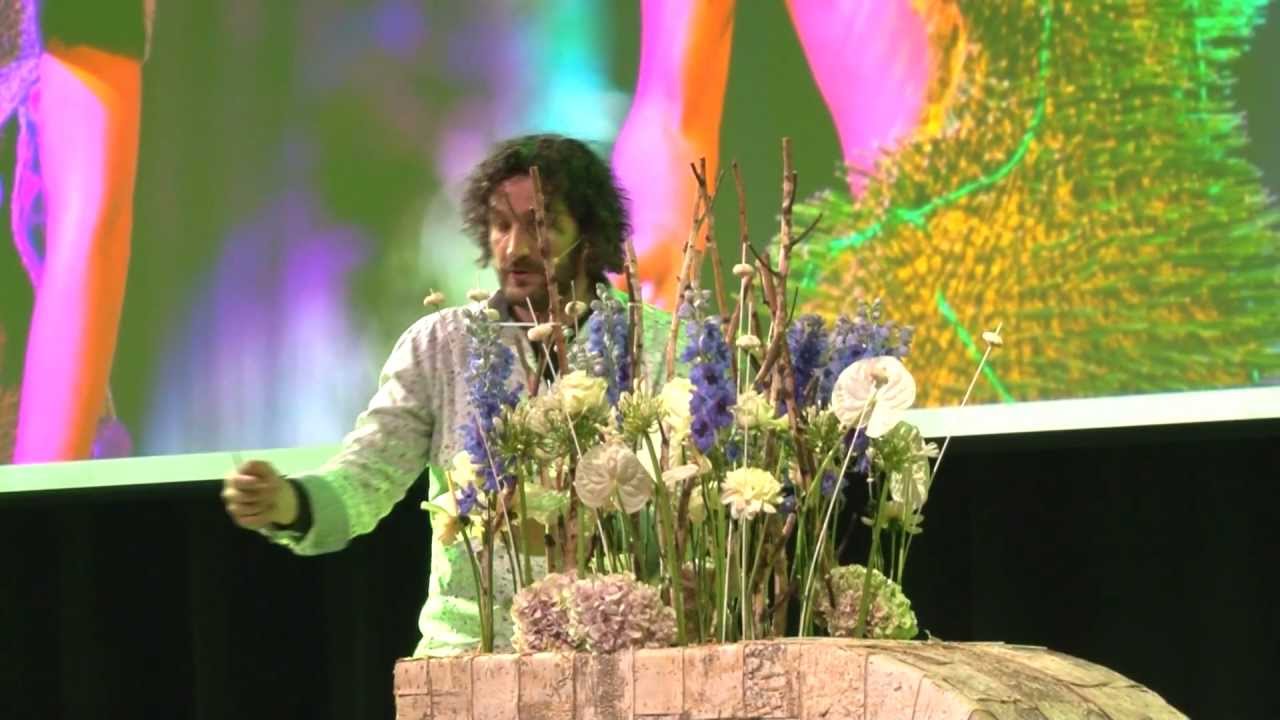
Floristry is a captivating blend of art and science, involving the cultivation, arrangement, and sale of flowers and plants. It is a field that combines creativity with horticultural knowledge to create aesthetically pleasing floral designs. Florists are skilled artisans who use their expertise to craft arrangements that convey emotions, celebrate occasions, and enhance environments.
History of Floristry
The practice of floristry dates back to ancient civilizations. The Egyptians, Greeks, and Romans all used flowers in their rituals and celebrations. In the Victorian era, the language of flowers, or floriography, became popular, with specific flowers symbolizing different emotions and messages. This historical context has influenced modern floristry, where the symbolism of flowers still plays a significant role in design choices.
Elements of Floral Design
Floristry involves several key elements that contribute to the overall aesthetic of an arrangement:
- Color: The choice of color can evoke different emotions and set the tone for an arrangement. Florists often use color theory to create harmonious or contrasting palettes.
- Form: The shape and structure of flowers and foliage are crucial in creating balance and interest in a design.
- Texture: Combining different textures can add depth and dimension to an arrangement. This can include the smoothness of petals, the roughness of stems, or the softness of leaves.
- Space: The use of space, both positive and negative, helps to create a sense of balance and proportion in floral designs.
Types of Floral Arrangements
Florists create a variety of arrangements to suit different occasions and settings:
- Bouquets: These are hand-held arrangements often given as gifts or used in weddings.
- Centerpieces: Designed to be the focal point of a table, these arrangements are commonly used in events and gatherings.
- Wreaths: Circular arrangements that can be used for decoration or as a symbol of remembrance.
- Corsages and Boutonnieres: Small arrangements worn on clothing, typically for formal events.
Tools and Techniques
Florists use a range of tools and techniques to create their designs:
- Floral Foam: A spongy material that holds water and supports stems, allowing for precise placement of flowers.
- Pruning Shears: Used to trim stems and foliage to the desired length.
- Wiring and Taping: Techniques used to support delicate flowers or create intricate designs.
- Conditioning: The process of preparing flowers by cutting stems and hydrating them to ensure longevity.
The Role of a Florist
A florist's role extends beyond creating beautiful arrangements. They must also:
- Understand the needs and preferences of their clients.
- Source high-quality flowers and materials.
- Stay informed about trends and innovations in the industry.
- Manage the business aspects of a floral shop, including marketing, sales, and customer service.
Environmental Considerations
Sustainability is becoming increasingly important in floristry. Florists are adopting eco-friendly practices such as:
- Using locally sourced and seasonal flowers to reduce carbon footprint.
- Implementing waste reduction strategies, such as composting and recycling.
- Choosing biodegradable materials over floral foam and plastic.
Career Opportunities in Floristry
Floristry offers a range of career paths, from working in a retail flower shop to specializing in event design or floral education. Some florists may choose to focus on niche markets, such as weddings or corporate events, while others may pursue opportunities in wholesale or floral supply.