Microcephaly

Microcephaly is a rare neurological condition in which an infant's head is significantly smaller than the heads of other children of the same age and sex. This condition can be present at birth or develop in the first few years of life. It is often associated with developmental issues and can be caused by a variety of genetic and environmental factors.
Causes of Microcephaly
Microcephaly can result from a variety of causes, which can be broadly categorized into genetic and environmental factors:
Genetic Causes
- Chromosomal Abnormalities: Conditions such as Down syndrome and other chromosomal disorders can lead to microcephaly.
- Single Gene Disorders: Mutations in specific genes can cause microcephaly. Examples include Seckel syndrome and Smith-Lemli-Opitz syndrome.
- Familial Microcephaly: In some cases, microcephaly can be inherited in an autosomal recessive pattern, meaning both parents carry a copy of the mutated gene.
Environmental Causes
- Infections During Pregnancy: Infections such as Zika virus, rubella, cytomegalovirus, and toxoplasmosis can affect fetal brain development.
- Exposure to Harmful Substances: Alcohol, certain drugs, and toxic chemicals can interfere with brain development during pregnancy.
- Severe Malnutrition: Lack of essential nutrients during pregnancy can impair fetal growth and brain development.
- Decreased Oxygen to the Fetal Brain: Conditions that reduce oxygen supply to the fetus, such as placental insufficiency, can lead to microcephaly.
Symptoms and Diagnosis
Symptoms
The primary symptom of microcephaly is a head size significantly smaller than average. Other symptoms can vary widely and may include:
- Developmental delays in speech and movement
- Intellectual disabilities
- Poor motor function and balance
- Seizures
- Facial distortions
- Hyperactivity
- Dwarfism or short stature
Diagnosis
Microcephaly is typically diagnosed through:
- Prenatal Ultrasound: This can sometimes detect microcephaly during pregnancy, especially in the third trimester.
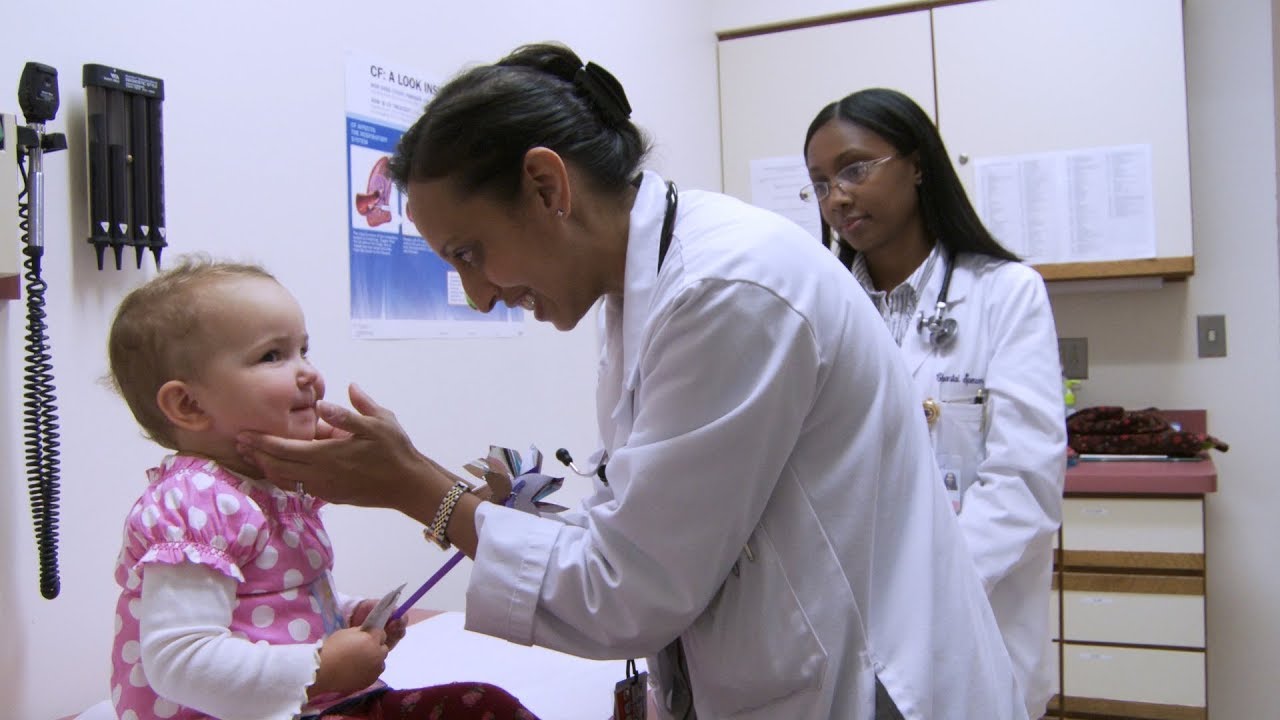
- Physical Examination: After birth, a doctor will measure the infant's head circumference and compare it to standard growth charts.
- Imaging Tests: CT scans or MRIs can provide detailed images of the brain to assess its structure and development.
- Genetic Testing: This can help identify any underlying genetic causes.
Treatment and Management
There is no cure for microcephaly, but early intervention can help manage symptoms and improve quality of life. Treatment typically involves a multidisciplinary approach:
- Developmental Services: Physical, occupational, and speech therapy can help children develop skills and improve function.
- Medical Management: Medications may be prescribed to manage seizures, hyperactivity, or other symptoms.
- Supportive Care: Regular monitoring and supportive care from healthcare providers can help address any emerging issues.
Prognosis
The prognosis for children with microcephaly varies widely depending on the severity of the condition and the presence of other health issues. Some children may have normal intelligence and development, while others may experience significant disabilities. Early intervention and supportive care can greatly enhance the quality of life for affected individuals.
Prevention
While not all cases of microcephaly can be prevented, certain measures can reduce the risk:
- Vaccination: Pregnant women should be vaccinated against rubella and other preventable infections.
- Avoiding Harmful Substances: Pregnant women should avoid alcohol, drugs, and exposure to toxic chemicals.
- Prenatal Care: Regular prenatal check-ups can help monitor fetal development and address any concerns early.
- Nutrition: Ensuring adequate nutrition during pregnancy is crucial for fetal brain development.
Recent Research and Developments
Recent research has focused on understanding the genetic and molecular mechanisms underlying microcephaly. Advances in genetic testing and imaging technologies have improved diagnostic capabilities. Additionally, the Zika virus outbreak highlighted the need for further research into viral causes of microcephaly and potential preventive measures.